







Introduction:Renowned globally for its delicate and balanced flavor, Jamaican Blue Mountain coffee has long maintained a high price point. What exactly drives its premium value? This article delves into the history, regional restrictions, and grading system of Blue Mountain coffee, and provides an in-depth look at the characteristics of the Grade 1 beans produced by the Clifton Estate. It also offers expert pour over recommendations and parameters to help you fully appreciate this top-tier coffee—from flavor to brewing.
Jamaican Blue Mountain coffee has consistently held a prestigious position in the coffee world thanks to its smooth, balanced taste and rich aroma. However, its high price is underpinned by several key factors: from regional limitations and historical trade agreements to strict grading standards and meticulous processing methods, all contributing to its rarity and value. This article breaks down why Blue Mountain coffee commands such a high price, focusing on the Grade 1 beans from the Clifton Estate, highlighting their flavor profile and optimal brewing methods.
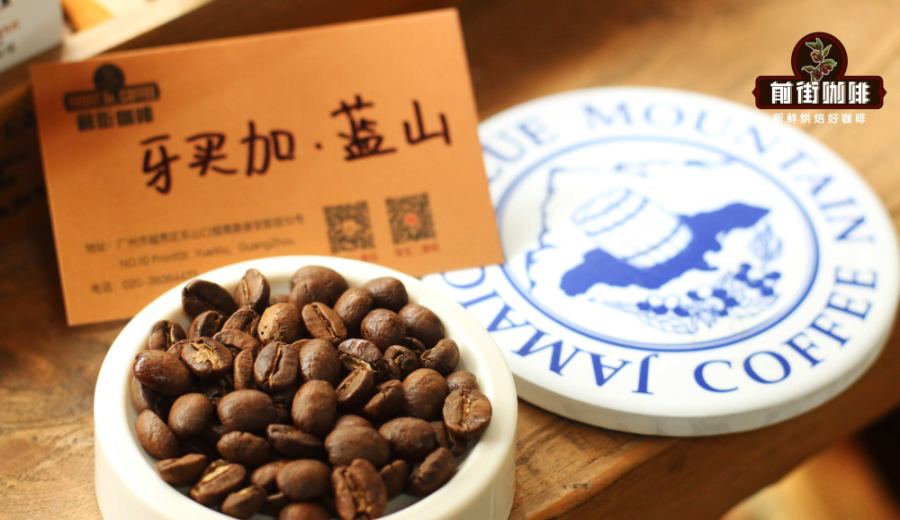
The imported Jamaican Blue Mountain Grade 1 coffee beans come from the historic Clifton Estate, grown at an altitude of 1310 meters from the Typica variety. Traditionally washed and medium-dark roasted, they showcase notes of chocolate, nuts, and cream, with an excellent balance of acidity, sweetness, bitterness, and body. These beans not only exemplify the classic flavors of Blue Mountain coffee but are also made even more precious due to regional and grade restrictions.
The international fame of Blue Mountain coffee dates back to the 1960s, when it had already gained some recognition in global markets. However, a powerful hurricane in 1969 severely damaged Jamaica’s coffee industry. At that time, Japan’s UCC company provided financial and technical support to help revive Blue Mountain cultivation. In return, the Jamaican government signed a 30-year agreement with Japan, stipulating that 90% of Blue Mountain coffee would be prioritized for export to Japan, with only 10% allocated to other markets—approximately 245 tons. This arrangement further increased the coffee’s scarcity, and with active promotion by the Japanese market, its value continued to rise.
Even during the agreement period, some Blue Mountain beans found their way to Singapore, South Korea, Taiwan, and Hong Kong at high prices. This eventually led to a “Blue Mountain craze” around the year 2000, and to this day, many Chinese coffee enthusiasts remain familiar with the name. After the 2008 financial crisis, Jamaica gradually expanded the export quota of Blue Mountain coffee, and the Chinese market also began to directly import this premium bean. Among them, the Clifton Estate’s Blue Mountain Grade 1 became the preferred choice for many importers.
According to Jamaica’s Coffee Industry Regulation Act, Blue Mountain coffee can only be grown in four regions: Saint Andrew, Saint Thomas, Portland, and Saint Mary, at altitudes between 910 and 1700 meters, and must be of the Typica variety. The total area meeting these criteria is only about 6,000 hectares, roughly one-third of the entire Blue Mountain planting region, with the rest used for producing High Mountain and Prime coffee. Less than 15% of the annual production qualifies to be labeled as “Jamaica Blue Mountain” coffee, making it extremely rare.
Blue Mountain coffee is further classified into Grades 1 to 3 and Peaberry, with Grade 1 being the highest. It must meet the following criteria: bean size of 17 or larger, defect rate below 2%, moisture content maintained at 10% to 12.5%, and cupping results demonstrating an excellent balance of acidity, sweetness, bitterness, body, and aroma. For transportation, Jamaica uses specially crafted hand-made wooden barrels to store Grades 1 to 3 green beans, available in 70kg, 30kg, and 15kg sizes, unlike the 60kg jute sacks commonly used for lower grades.
The supplied Blue Mountain Grade 1 beans originate from the Clifton Estate, established in the 1790s and one of the oldest surviving coffee farms in Jamaica, certified by the Rainforest Alliance. Observing its wooden barrel, you’ll find the green Rainforest Alliance frog logo, symbolizing its commitment to sustainable production. The Clifton Estate is located in the Clifton Mountain area at an altitude of approximately 1310 meters, where the significant day-night temperature variation helps coffee cherries ripen slowly, accumulating richer flavor compounds.
The estate adopts an environmentally friendly production process throughout. Removed pulp is converted into organic fertilizer, and processing water is fully recycled. For washed processing, harvested coffee cherries first undergo floatation to separate by ripeness, then are transported via water flow into a pulper to remove the skin. The mucilage-covered beans then enter fermentation tanks, where hydraulic agitation removes residual mucilage. Finally, they are washed and evenly dried to achieve proper moisture levels, ensuring high stability and low defect rates of the green beans.
To fully bring out the rich subtlety of Blue Mountain Grade 1, it is recommended to use a medium-dark roast, which preserves the traditional Blue Mountain flavors while bringing out moderate fruit acidity. Roasters suggest brewing with water at 87–88°C and a medium grind size (e.g., EK43s setting 10.5) with about 75% extraction rate through a standard 20-mesh sieve to avoid over-extraction and unwanted off-flavors.
The KONO filter cone is recommended; its ridges extend only to the lower half of the cone, allowing it to cling tightly to the walls after wetting, reducing airflow and extending contact time between water and coffee grounds, leading to a more even extraction and rounder flavor. Specific parameters: 15g of coffee grounds, 1:15 coffee-to-water ratio, using a pulse pouring method—first pour 30g of water for a 30-second bloom, then slowly add water up to 125g, wait for the liquid level to drop, then add up to 225g, with a total brew time of about 2 minutes.
The resulting pour over Blue Mountain Grade 1 coffee presents intense black chocolate aromas and distinct almond aftertaste at high temperatures; as it cools slightly, it reveals notes of roasted hazelnut, creamy sweetness, soft acidity, and caramel undertones, with a rich and lingering flavor profile.
The above content is compiled by CoffeeHunters, a coffee news website.


