








Introduction:An in-depth exploration of the Musician Series Mozart coffee beans from Finca Canet in the Tarrazú region of Costa Rica. This includes insights into the growing background of SHB high-altitude hard beans, the unique processing method of grape natural (grape dry honey), and brewing parameters along with flavor profiles. This article offers practical extraction suggestions and a three-stage pouring technique to help you fully experience this specialty coffee that blends berry, rose, and wine notes.
Costa Rican coffees known for their honey processing have long enjoyed an international reputation for “prominent sweetness.” This article will introduce you to the Musician Series Mozart coffee beans from Finca Canet in the Tarrazú region. These SHB-grade high-altitude hard beans, processed using the grape natural method, showcase intense sweetness and complex layers, making them ideal for coffee lovers who enjoy flavors of berries, roses, and wine.
Regional Background and the Influence of Microclimate
Located on the Central American isthmus, Costa Rica is geographically part of North America and borders Panama and Nicaragua. It is influenced by both the Caribbean Sea and the Pacific Ocean. The country experiences significant day-night temperature variations, along with distinct wet (April to November) and dry (December to March of the following year) seasons brought by monsoons and ocean currents, providing an ideal environment for coffee cultivation. Coffee trees typically bloom between April and June, with the harvest season running from July to February of the following year. The dry weather during the dry season is particularly suitable for the drying processes of natural and honey methods.
The majority of the country’s coffee-growing areas are concentrated in the higher-altitude central mountainous regions, where average temperatures range between 17 and 27 degrees Celsius. The fertile volcanic soil and distinct seasonal changes form the foundation for the high quality of Costa Rican coffee.

Introduction to the Tarrazú Region and Finca Canet
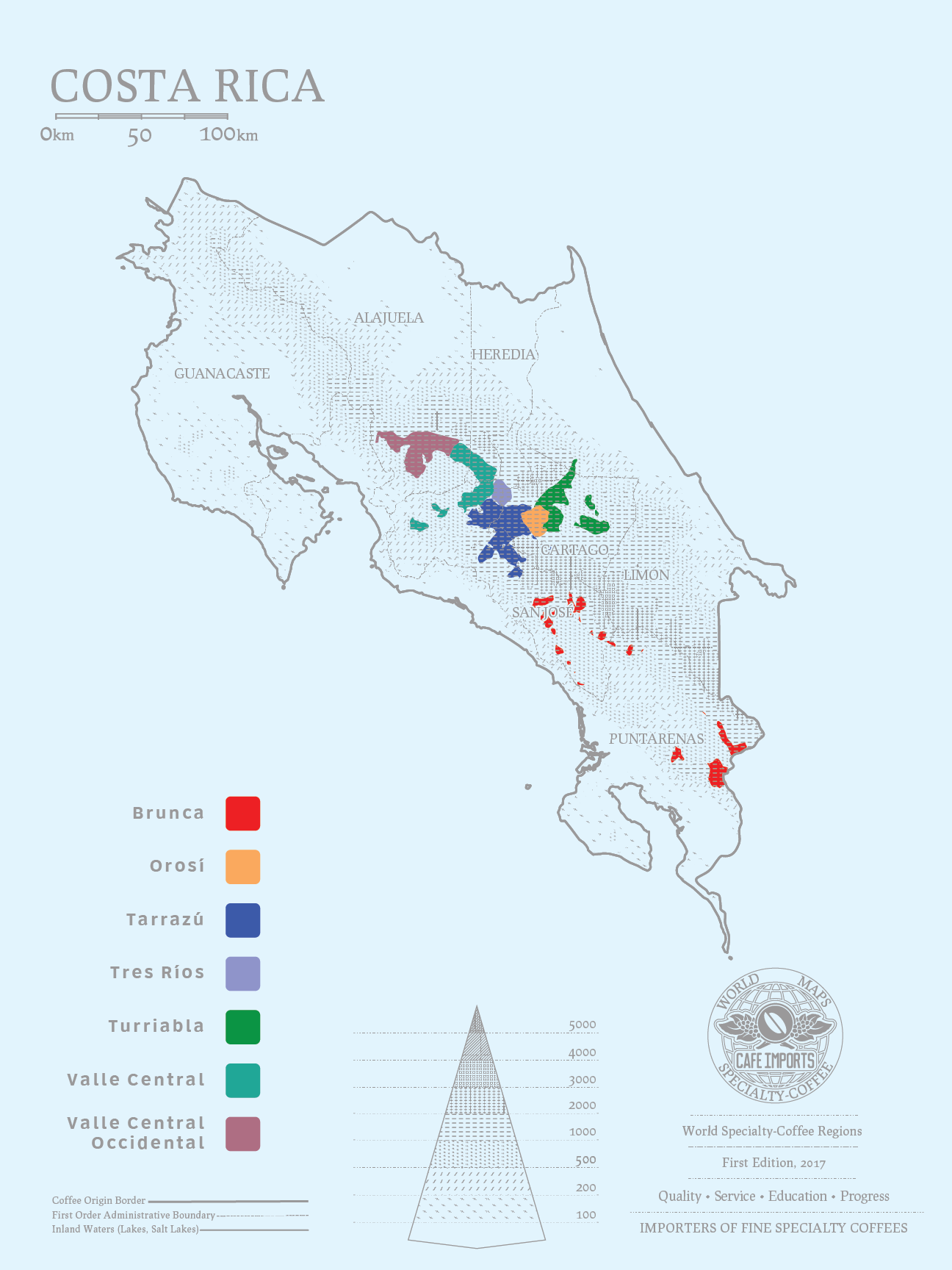
Among the many coffee-growing regions, Tarrazú is renowned for its high-altitude and consistently high-quality specialty coffee, making it one of the most representative origins in Costa Rica. Located south of San José, Tarrazú not only benefits from superior altitude conditions but is also at the heart of the country’s fruit cultivation, which contributes rich fruity notes to its coffee.
Finca Canet (Finca Canet) is a small estate located in the town of San Marcos in Tarrazú, covering just 5 hectares. However, it is situated in the highest-altitude planting zone of Tarrazú, at around 1,900 meters above sea level. Coffee grown at this elevation falls under the SHB (Strictly Hard Bean) grade, characterized by dense beans, intense flavors, and natural aromatic profiles of fruit, wine, and tea leaves.
The estate is jointly managed by the Robles brothers and has over a decade of farming history. It also has a small wet-processing mill. They have launched a Musician Series, featuring four beans—Bach, Mozart, Beethoven, and Chopin—each showcasing unique flavors through different processing methods. Among them, the Mozart coffee bean is both popular and distinctive.
Mozart Coffee Beans: The Charm of Grape Natural Processing
The Mozart coffee beans are processed using the grape natural (grape dry honey) method, which differs from standard honey processing. After harvesting, the fresh coffee cherries are first sun-dried for 72 hours until their surface becomes wrinkled, resembling raisins, before the outer skin is removed. The complete mucilage layer is retained for subsequent sun drying. This process not only extends fermentation time but also imparts a richer sweetness and fermented aroma to the beans, resulting in a more expressive and layered flavor profile.
It is reported that this bean exhibits notable grape sweetness, rose floral notes, and subtle wine aromas in cupping. Its flavor structure is tight and dynamic, making it a standout among honey-processed coffees.
Roasting and Pour Over Recommendations
A certain coffee brand opted for a medium-light roast when roasting the Mozart beans to preserve their inherent flavors and bright acidity. After cupping, the main flavor notes include sweet grapes, rose floral aromas, and mild fermented wine notes, all balanced and well-layered.
To fully appreciate the delicate flavors of this coffee, it is recommended to brew it using the pour over method. The optimal drinking window is during the 4 to 7-day resting period after roasting, when the flavors are most cohesive and vibrant. If purchased online, the beans typically arrive within about 5 days post-roasting, and after 1 to 2 days of shipping, they are ready to enjoy.
Pour Over Parameters and Three-Stage Pouring Steps
Recommended pour over parameters are as follows:
• Coffee dose: 15 grams
• Coffee-to-water ratio: 1:15
• Grind size: 80% passing through a #20 sieve (medium-fine grind)
• Water temperature: 90°C
• Filter: V60
The specific operation recommends using a three-stage pouring technique:
1. Blooming stage: Pour 30ml of hot water, bloom for 30 seconds to help the coffee grounds degas.
2. Second pour: Pour 100ml of hot water, and when the water level drops to about halfway in the filter,
3. Third pour: Pour another 95ml of hot water. Once all the coffee liquid has dripped through, remove the filter. The total brew time is approximately 1 minute and 50 seconds.
This parameter setup helps to highlight the berry, rose, and wine notes of the Mozart coffee beans while maintaining a balanced acidity and sweetness. The mouthfeel is clean with a long-lasting aftertaste.
Summary of Flavor Characteristics
The Mozart coffee beans from Finca Canet in Tarrazú, Costa Rica, are based on SHB high-altitude hard beans and feature grape natural processing, showcasing intense grape sweetness, rose floral notes, and delicate wine aromas. With appropriate roasting and pour over parameters, their unique flavor layers can be fully expressed, making them highly suitable for coffee enthusiasts who enjoy fruity and complex profiles.
The above content is compiled by CoffeeHunters, a coffee news website.


