








Introduction:Want to understand the fundamental differences between the moka pot and the siphon? This article takes an in-depth look at the extraction logic, operation steps, and final flavor profiles of these two classic coffee brewing tools. From heat-pressure extraction to vacuum circulation, it not only explains how to use them but also helps you determine which tool is best suited to your desired coffee taste and everyday usage scenario.
Among the wide array of coffee brewing devices, the moka pot and the siphon have long captivated coffee enthusiasts with their unique extraction appeal. The former stands out for its simplicity, efficiency, and bold flavor, making it a top choice for many households and coffee beginners; the latter wins over users seeking an experiential and nuanced flavor with its lab-like visual ritual and soft, delicate taste. This article will comprehensively compare these two classic tools in terms of extraction principle, operation method, ease of use, and flavor characteristics to help you find the brewing method that suits you best.

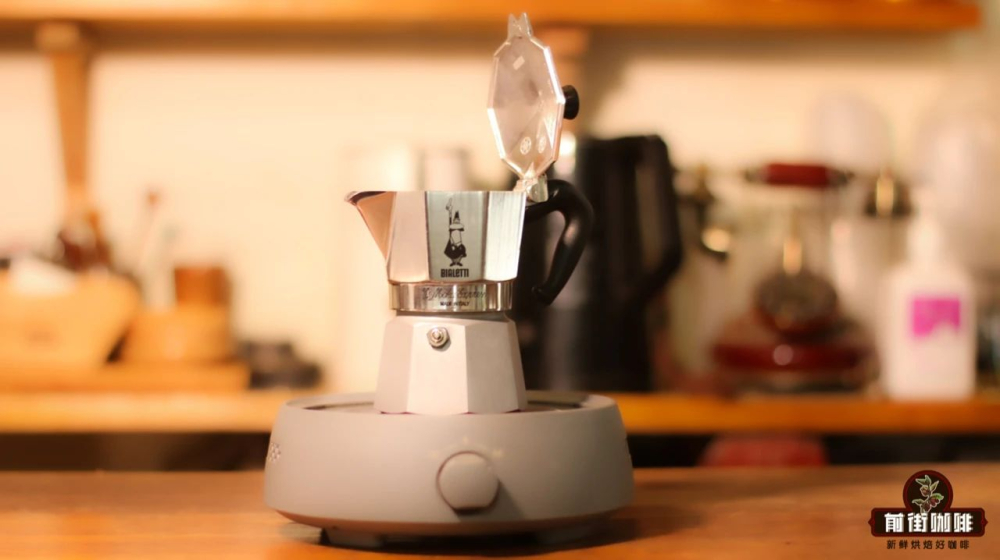
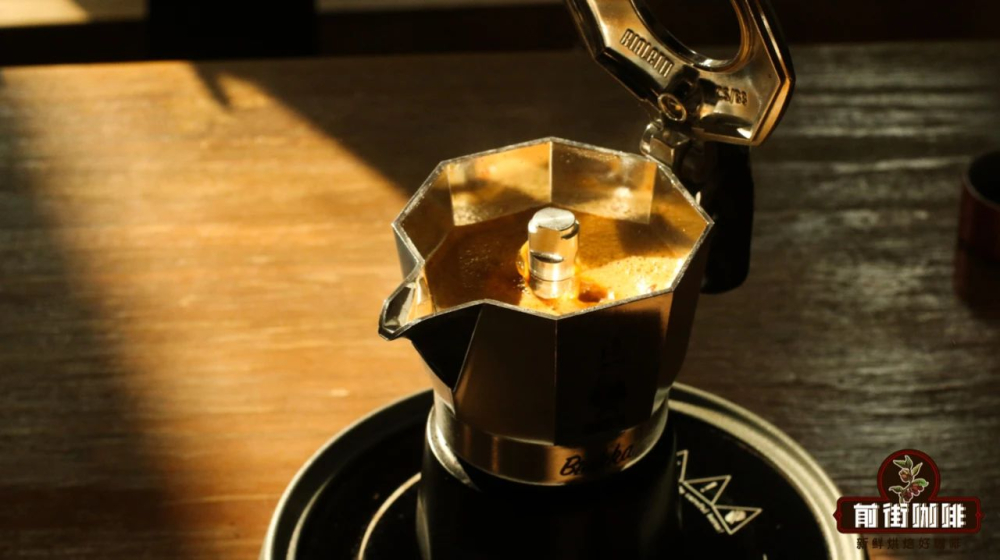
The moka pot, also known as the stovetop espresso maker, is a device that brews coffee by using steam pressure generated through heating. Its working principle involves heating the lower chamber, where water is heated to produce steam pressure that pushes hot water through the middle coffee grounds layer, and the resulting brewed coffee is collected in the upper chamber. The pressure generated during this process is between 1.2 to 3 atmospheres, which, while not reaching the 9 atmospheres of a professional espresso machine, is still sufficient to extract the richness and crema from dark roasted beans, delivering a taste profile close to that of espresso.
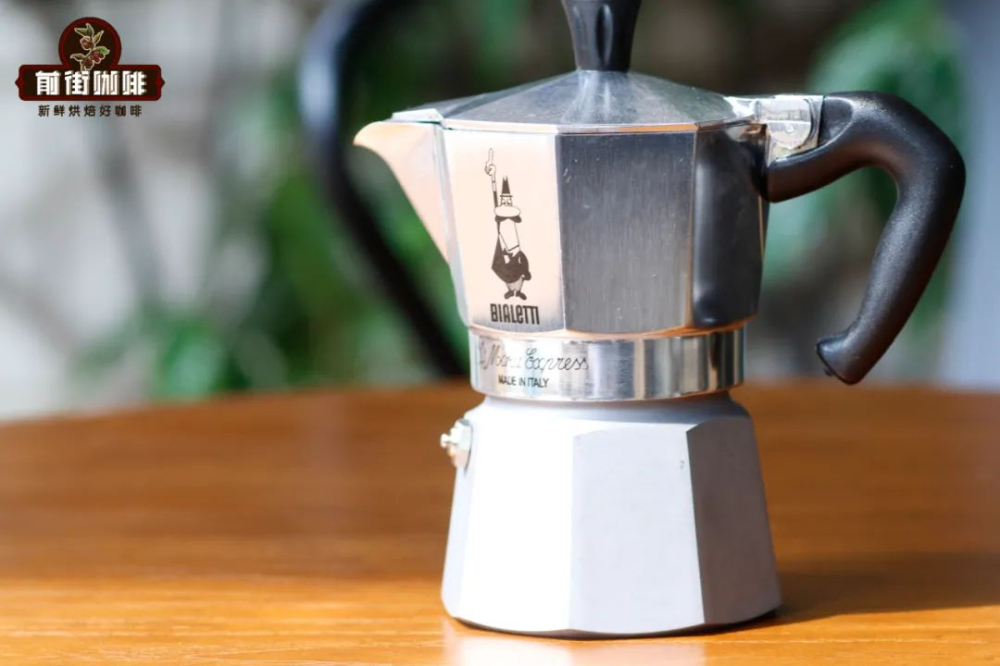
The moka pot mainly consists of three parts: the lower chamber holds the water and is heated, the middle funnel holds the coffee grounds, and the upper chamber collects the brewed coffee. For operation, a medium-fine grind is recommended, and the amount of coffee and water can be adjusted according to the pot’s capacity. Typically, a single serving uses about 7 to 10 grams of coffee beans, paired with around 100 milliliters of water. It’s important to note that if the grind is too fine or the coffee is overly compacted, it may lead to channeling or even pose a risk of the safety valve failing.
The siphon, commonly referred to in English as Siphon or Syphon, also known as the vacuum pot, is a brewing device that utilizes the principles of thermal expansion, contraction, and vacuum pressure. When the lower chamber is heated, steam pushes the water upward into the upper glass globe where it mixes with the coffee grounds. After the heat is turned off and the temperature drops, negative pressure causes the brewed coffee to flow back down into the lower chamber, completing the extraction. This brewing method is often seen in Japanese-style cafés and is known for its visual drama and relatively mild, balanced flavor.
Operating a siphon is slightly more complex, requiring coordination of heat control, water temperature, and timing. The general recommendation is to maintain a water temperature of 90 to 92°C, slightly higher for light roasts and slightly lower for dark roasts. The coffee-to-water ratio is usually set between 1:12 and 1:16, with a grind size slightly finer than pour over but still with some fluidity—using an EK43 grinder, it would be around 9 to 10 on the grind setting. The total brewing time is typically 45 to 60 seconds; going beyond this can easily result in over-extraction and a bitter taste.
In terms of flavor, the moka pot, due to its high-pressure extraction, tends to highlight the coffee’s richness, intensity, and low acidity, making it especially suitable for those who enjoy dark roasts with notes of chocolate, caramel, or nuts. If you prefer milk-based coffee, the concentrated base produced by the moka pot blends well with milk, offering a rich and layered mouthfeel.
In contrast, the siphon’s extraction yields a flavor that is clearer, brighter, and cleaner, preserving the subtle details of the coffee bean’s original characteristics such as floral notes, citrus acidity, and tea-like qualities. It is well-suited for light to medium roasts. The reflux process also filters out some impurities and overly extracted flavors, resulting in a smoother and more balanced flavor output, which is highly appreciated by coffee enthusiasts seeking refined taste experiences.

In terms of ease of use, the moka pot is relatively straightforward and intuitive, requiring only control over heat level, heating time, and grind coarseness, making it suitable for beginner coffee lovers. However, excessive heat or failure of water to evaporate in time can lead to overly high pressure, posing certain safety concerns.
The siphon, on the other hand, demands higher operational skill and a stable heat source. Controlling water temperature, coffee-to-water ratio, and extraction time all test the user’s experience and patience. Yet, it is precisely because of its complex steps that many coffee lovers view it as a form of ritual and a source of exploratory enjoyment.
In summary, the moka pot and the siphon each have their own unique charm and ideal usage scenarios. If you prefer a bold, quick, and pressurized coffee experience, the moka pot is a great choice for home or office use; if you enjoy the slow craftsmanship, ritual feel, and delicate balance of flavors, the siphon will take you on another level of coffee exploration. Whichever you choose, it can add a unique flavor dimension to your daily coffee routine.

The above content is compiled by CoffeeHunters, a coffee news website.


