







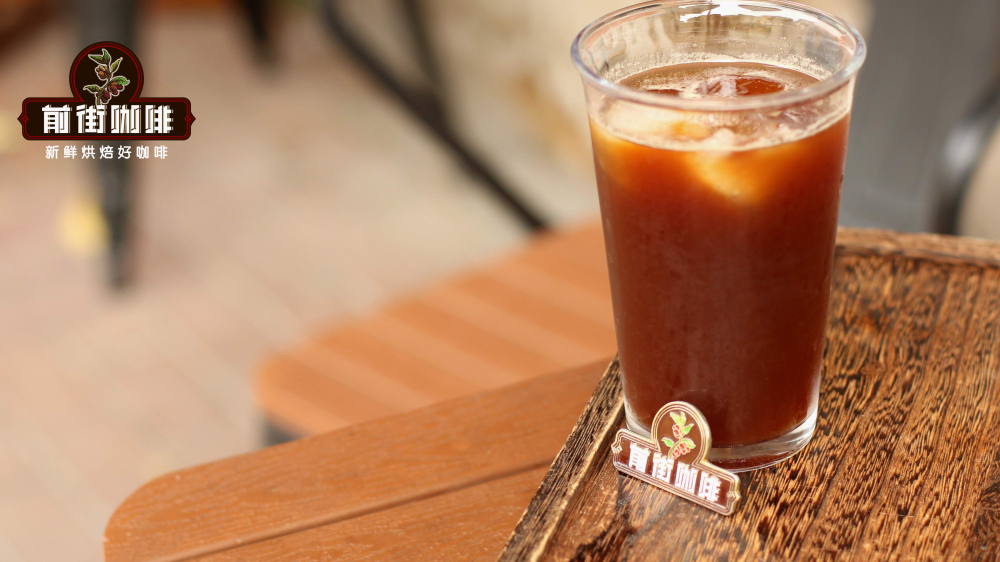
Introduction:Iced Americano coffee, with its refreshing taste and low-calorie profile, has become a daily favorite for many office workers and fitness enthusiasts. But how is it actually made? Does it really aid in weight loss? And is it the bitterest among all black coffees? This article will delve into the origins of iced Americano, its brewing parameters, bean selection, and debunk common misconceptions, helping you fully understand this globally beloved black coffee.
When watching Korean dramas, it’s not hard to notice that café scenes or scenes of offering guests a drink often feature Americano coffee. This beverage, which contains no milk or sugar and is simply made from espresso and water, is not only a great pick-me-up but has also gradually become a versatile choice in social situations. Especially with the trend toward low-calorie and healthy diets, iced Americano has won the favor of many young people due to its extremely low calorie count and simple preparation method.
But many people still have questions: How exactly is iced Americano made? Can it really help with weight loss? Also, is it true that it’s “the bitterest black coffee”? Below, we’ll start with the origins of Americano coffee, and then gradually break down its brewing method, suggestions for coffee bean selection, and explore its true nature in terms of health and flavor.
The reason Americano coffee is so popular is not only because it’s affordable, but also because it suits various occasions. Whether you’re meeting friends, having a business meeting, or just need a pick-me-up, ordering an Americano is always a safe bet. Especially when you’re unsure about the other person’s taste preferences, black coffee is actually a considerate and safe choice. If the other person is sensitive to bitterness, you can also proactively offer sugar packets or creamers to make the drink more flexible.
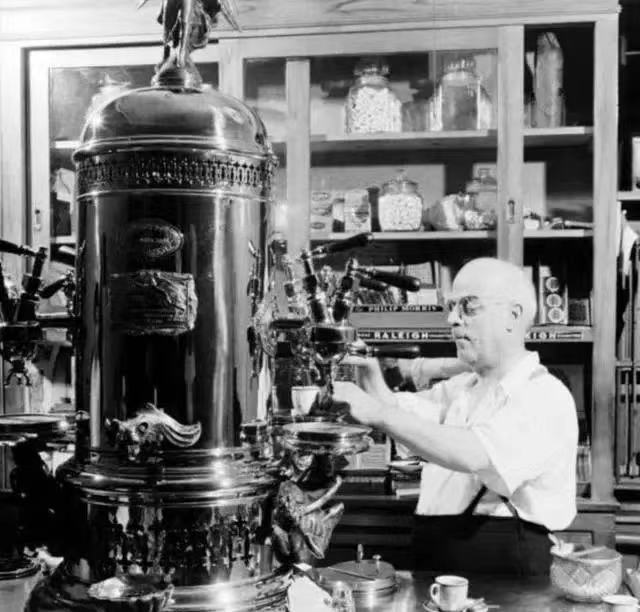
Interestingly, although Americano coffee is named after “America,” its origin is actually Italy. As early as 1884, Italians invented the technology to extract coffee using high-pressure steam. The espresso produced at that time became the base of modern Americano coffee. With the advent of the industrial era, this highly concentrated and intensely flavored beverage quickly gained popularity locally.
However, before World War II, when American soldiers first tried this coffee, they often found it hard to adapt to its strong and intense flavor. After all, the espresso-making techniques at the time were not yet mature, and the quality of the beans was far from what it is today. To make the coffee smoother, they would add hot water themselves to dilute it, creating a milder drink.
In response, Italians jokingly called this water-diluted coffee “Americano,” which literally translates to “American coffee.” Although it wasn’t initially recognized by the Italians, this way of drinking spread as American soldiers returned home. With the gradual popularization of espresso machines, Americano coffee also became a classic in American coffee shops and has been widely enjoyed ever since.
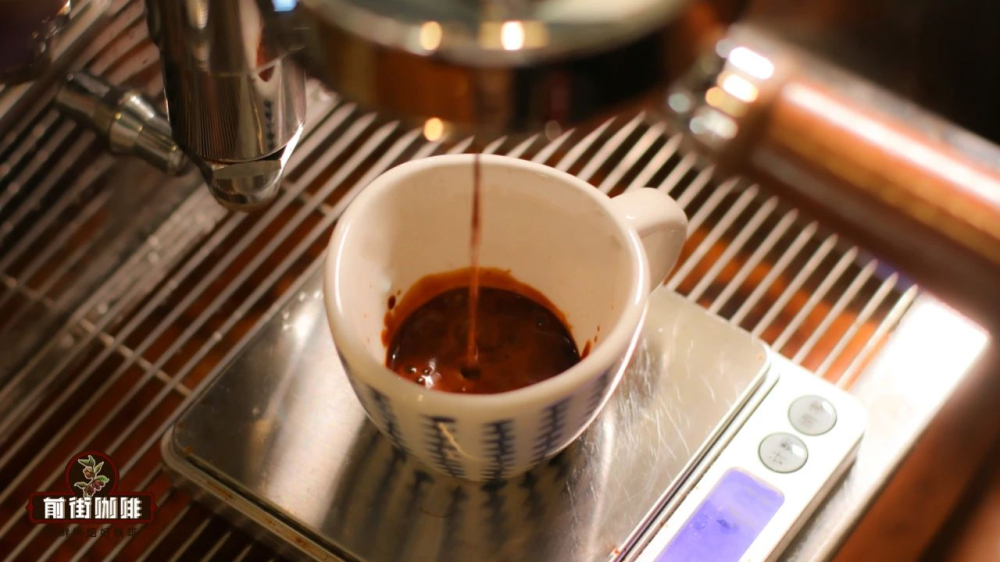
So, how exactly is iced Americano made? Simply put, it consists of one shot of espresso mixed with a certain proportion of water. Common ratios are 1:5 or 1:3 (espresso:water), adjusted according to personal taste. From a professional perspective, many shops use dark-roasted blended beans, first extracting a highly concentrated espresso (typically 20 grams of coffee grounds yielding about 40 grams of coffee liquid, with a coffee-to-water ratio of about 1:2, pressure of 9 bar, and time controlled at 25–30 seconds), then adding hot or iced water in the desired proportion to adjust strength.
However, these parameters are not set in stone. The model of the coffee machine, grinder settings, the roast level and freshness of the beans all affect the final flavor. Therefore, it is recommended that beginners start with a 1:5 coffee-to-water ratio, then fine-tune according to personal taste. If you find the espresso too strong, you can increase the amount of water; if it’s too weak, reduce it. If you don’t have a professional machine at home, you can also use a moka pot as an alternative. Although the extraction flavor differs slightly from pressure extraction, it can still produce a coffee base with a rich flavor.
When using a moka pot, there are several key techniques to note: First, the water level in the lower chamber must never exceed the safety valve, as this may cause danger. Second, it’s recommended to use finely ground coffee, but not so fine that it can pass through the holes in the coffee basket. Use enough coffee to naturally fill the basket and gently level it—there’s no need to tamp it down firmly to avoid channeling. During extraction, once coffee starts dripping from the upper chamber, you should immediately turn off the heat and quickly move the pot to cold water or a wet cloth to cool it down, preventing over-extraction that leads to bitterness.
After extraction, pour the coffee from the moka pot into a cup pre-filled with warm water (about 180 ml is recommended), stir gently to mix evenly, and you’ve got a basic version of Americano coffee. If you’re not used to the intense bitterness, you can also add a small amount of milk or creamer to adjust the taste to your preference.
As for coffee bean selection, it’s recommended to prioritize blends specifically designed for espresso extraction. These beans are typically a mix of beans from different regions, offering stable flavor and good cost-performance. For example, a common blend might include Brazilian natural and Colombian washed beans, delivering a balanced flavor of nuts, caramel, and dark chocolate. If you prefer a softer taste, you can also choose specialty blends with fruity acidity and aroma, such as a mix of Yunnan small-seed variety and Brazilian beans, which can present a smoother and slightly sweet black coffee experience.
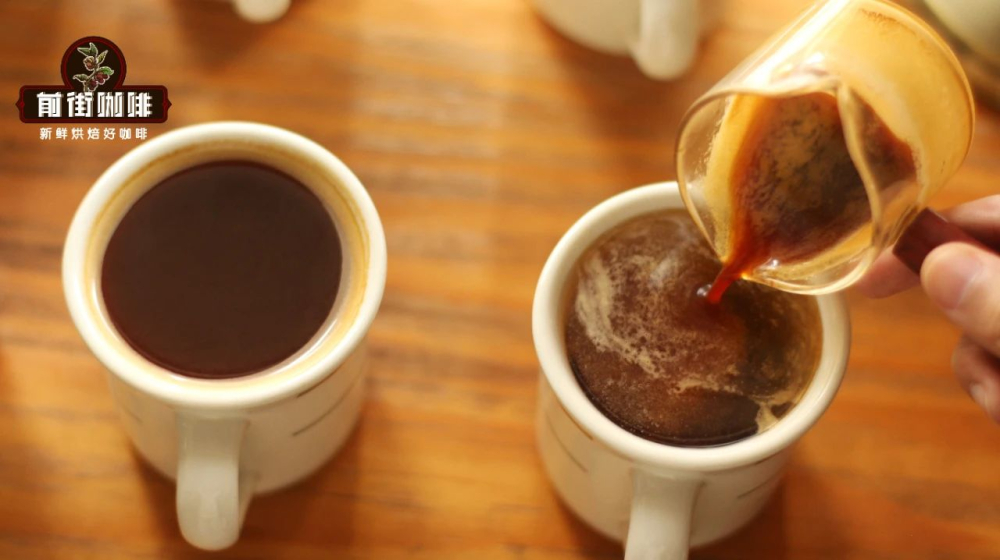
Speaking of weight loss effects, iced Americano is almost a “zero-calorie drink” because it contains no sugar or milk, making it very suitable for pairing with fitness or weight-control diet plans. Research shows that caffeine in coffee can boost metabolism and temporarily enhance fat-burning efficiency, so many people choose to drink black coffee before workouts to improve performance. However, consuming it excessively in pursuit of a “more bitter” or “more energizing” effect may impact sleep or trigger palpitations, so daily intake should still be moderated.
As for “Is iced Americano the bitterest black coffee?” the answer actually varies from person to person. Since Americano coffee is mostly made from dark-roasted beans and has a highly concentrated base, its flavor does tend to be intense with a noticeable bitterness. But compared to some extremely dark-roasted single-origin coffees or极限ly extracted espressos, its bitterness may not be the most extreme. Moreover, the perception of bitterness is also closely related to extraction time, water temperature, and coffee-to-water ratio, so it can’t be generalized.
In summary, iced Americano coffee is not only a uniquely flavored type of black coffee, but also a versatile beverage suitable for many life scenarios. Whether you’re looking to perk up, lose weight, or simply enjoy the purity of coffee, mastering the correct brewing method and bean selection can allow this seemingly simple drink to reveal a wealth of layers and possibilities.
The above content is compiled by CoffeeHunters, a coffee news website.


