







Introduction:Many coffee enthusiasts wonder how roast levels affect the acidity-to-bitterness ratio in coffee. In fact, from light to dark roasts, the flavor profile of coffee undergoes significant changes. This article delves into how roast levels alter coffee’s acidity and bitterness, and analyzes the characteristics of different roast styles in drip bags, helping you find your ideal no-acid or low-acid black coffee option, while also understanding the key impact of freshness on flavor.
Many people often ask: Is dark roast coffee necessarily more bitter than light roast? The answer isn’t that simple. The acidity and bitterness of coffee are closely related to roast levels. Whether using drip bags or pour over methods, the principle of hot water penetrating the coffee grounds to extract flavor compounds remains the same. Therefore, the type of coffee beans chosen directly determines the final flavor profile of the beverage.
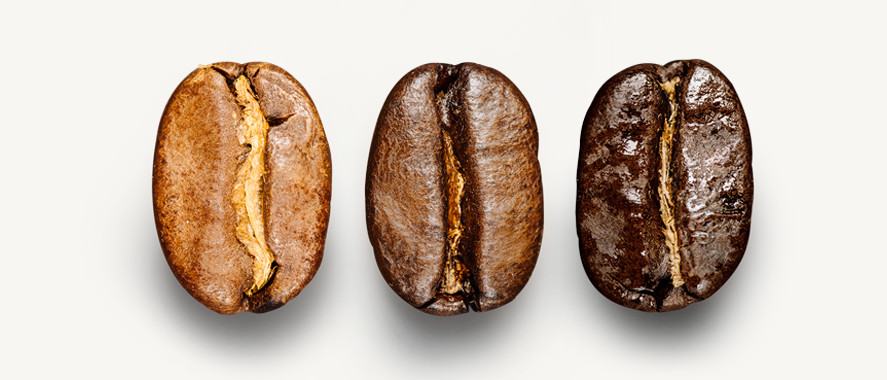
The roast level of coffee beans is generally adjusted based on regional characteristics and flavor profiles. Coffee itself contains various organic acids, which change with differences in roast time and temperature. Generally speaking,the lighter the roast, the more acidic compounds are retained in the coffee, resulting in a brighter, fruitier acidity;conversely,the darker the roast, the more the acidity fades, and the bitterness and sweetness become more pronounced;this is because high-temperature, long-duration roasting promotes caramelization of sugars while breaking down organic acids, resulting in an overall richer, lower-acidity profile.
Therefore, if you prefer analmost acid-freeAmericano-style black coffee, it’s recommended to opt formedium-dark to dark roastdrip bag coffee products. Beans roasted to these levels exhibit significantly reduced acidity, with a more balanced bitterness and sweetness, making them suitable for daily consumption or consumers who enjoy a bold taste.
If you absolutely cannot tolerate any acidic notes, you may choosedark-roastedIndonesian Mandheling drip bag coffee. This coffee is processed using the wet-hulled method and consists of top-grade G1 beans, fully showcasing the intense flavors unique to Sumatra. Upon tasting, it highlights spices, herbs, nuts, and dark chocolate, with a rich and smooth mouthfeel,almost devoid of noticeable acidity,and a long-lasting aftertaste, particularly favored by male coffee drinkers.
For those who hope to still sense a hint of refreshing acidity in their black coffee,medium-dark roasted Brazilian Cerrado drip bag coffeewould be an ideal choice. This coffee uses a honey processing method, delivering mild notes of nuts, creamy chocolate, and caramel, with a well-balanced overall flavor and low acidity, suitable for users seeking a smooth, non-bitter, and rounded taste.
If you prefer a more gentle flavor that is neither too acidic nor overly bitter,medium-roasted Yunnan Peaberry drip bag coffeeis worth a try. Sourced from Baoshan in China’s Yunnan Province and washed during processing, it presents clean and clear notes of nuts, brown sugar, chocolate, and subtle plum after brewing, with a soft and delicate mouthfeel, ideal for coffee lovers who enjoy a light and balanced flavor.
In addition to choosing flavors based on roast level, thefreshnessof coffee is also a critical factor affecting flavor expression. Generally, coffee beans are at their peak flavor within 40 to 50 days after roasting. Beyond this period, aroma and flavor noticeably decline.
It’s important to note that since drip bag coffee involves grinding the beans into powder and sealing them, the surface area exposed to air increases significantly, leading to faster aroma loss,with the optimal flavor window typically lasting only 20 to 25 days.To enjoy the best drinking experience, it’s recommended to consume the coffee within this period. Choosing freshly roasted, quickly sealed, and promptly delivered drip bag products allows you to truly savor the original charm of coffee.
The above content is compiled by CoffeeHunters, a coffee news website.


