







Introduction:Due to their convenience, drip bags are widely loved by office workers, but did you know they have a shorter optimal flavor period than whole beans? This article delves into the production principles, correct brewing techniques, and storage methods of drip bags, while also exploring the main reasons for their rapid aroma loss. It also shares practical brewing tips so you can easily brew a cup of drip coffee with flavors close to specialty coffee at home.
Because of their portability and quick brewing, drip bags have become the daily coffee choice for many busy professionals. However, many users may not realize that the optimal flavor period of drip bags is shorter than that of whole beans. Generally, freshly roasted coffee beans can be enjoyed within the first two months with good flavor, but drip bags—i.e., pre-ground coffee packages—often only maintain their best flavor for about two weeks. This article will explain in detail the origin of drip bags, the correct brewing method, common misconceptions, and why their optimal flavor period is so short, helping you fully experience their aroma and complexity when enjoying them.
[What Is a Drip Bag?]
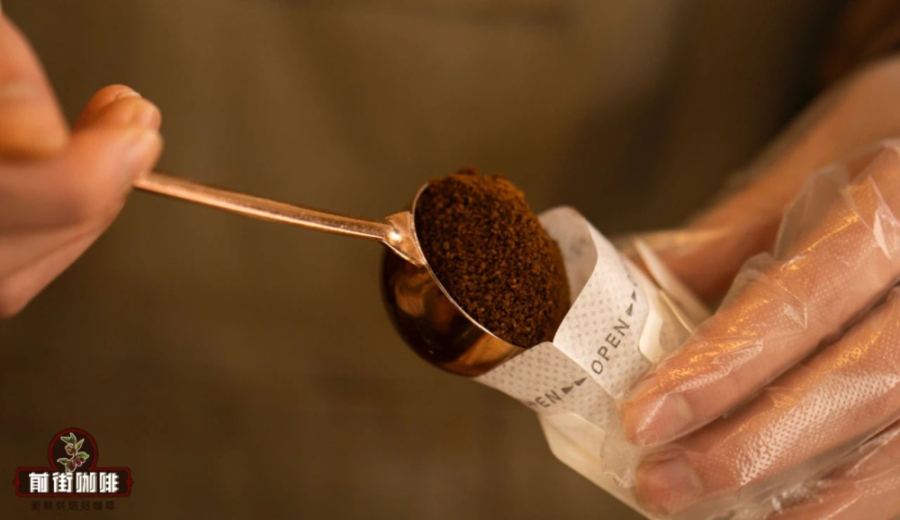
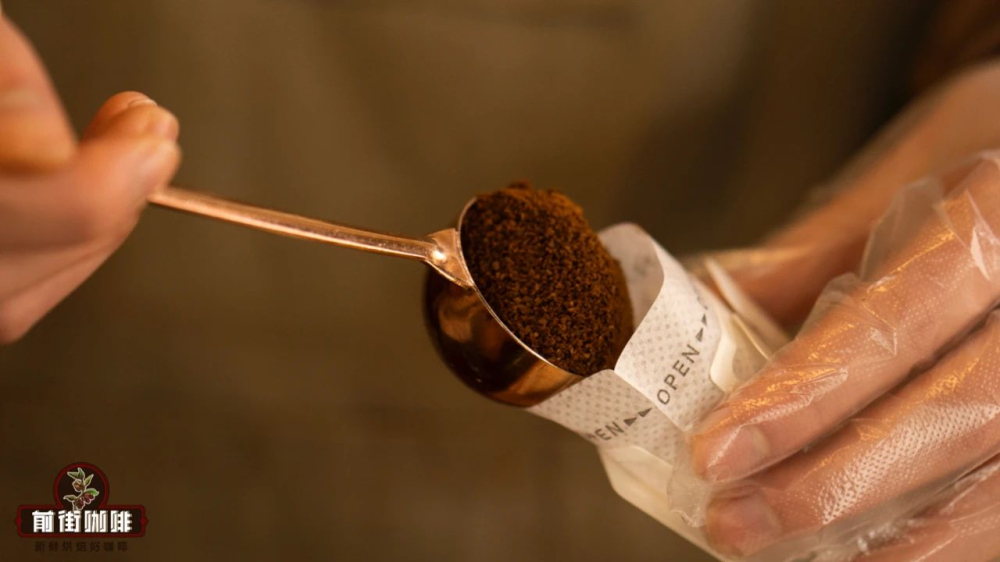
A drip bag is a type of coffee where freshly roasted beans are ground into powder and then packed into a filter bag equipped with two side handles, allowing users to brew simply by adding water. Compared to common instant coffee, drip bags do not contain artificial flavors or sugar, preserving more of the original coffee flavor, but their "freshness" is noticeably shorter. In fact, from the moment coffee beans are roasted, the internal carbon dioxide and aromatic compounds begin to gradually release, and it is generally recommended to consume the beans within two months. However, once the coffee is ground into powder, the total surface area exposed to air increases significantly, accelerating the rate of aroma loss. Therefore, drip bags are best consumed within two weeks after grinding to enjoy the fullest expression of aroma.
[The Origin and Evolution of Drip Bags]
The creation of drip bags is closely related to the accelerated pace of modern life. Many office workers love pour over coffee but often find it difficult to brew a satisfying cup due to time or skill constraints. It is understood that the earliest concept originated in Japan, where Yamasan Industries Co., Ltd. once applied the tea bag format to coffee and applied for a patent. However, the design at the time could not stably support the weight of the coffee liquid and was prone to tilting during brewing, failing to achieve commercial success. It wasn’t until 1998 that Dai Ki Shoji improved the original structure by extending the handle part outward, enhancing stability and ease of use, evolving into the familiar drip bag format we know today.
[Correct Brewing Steps for Drip Bags]
To fully experience the aroma and complexity of a drip bag, the correct brewing method is crucial. Below are the recommended standard steps:
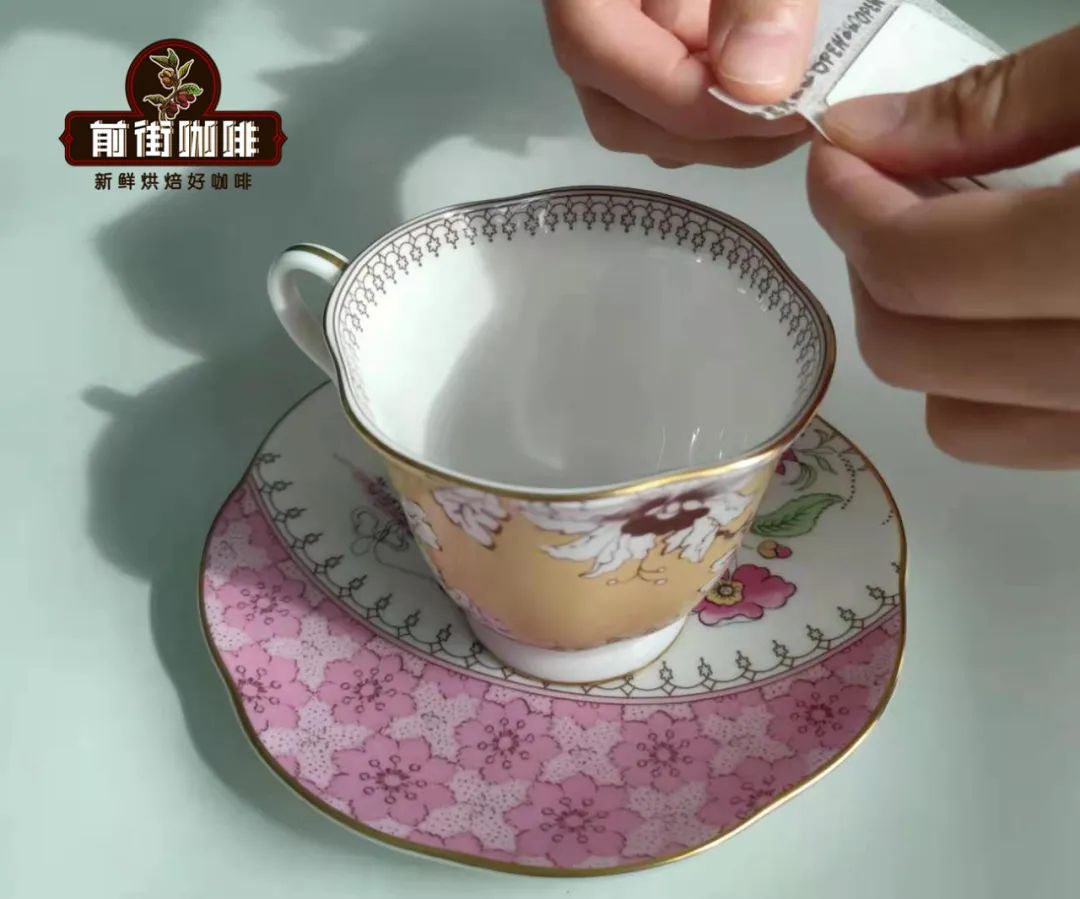
1. Warm the Cup: Before brewing, rinse the cup with hot water to help maintain the coffee temperature and prevent flavor loss due to cooling.
2. Control Water Temperature: It is recommended to use 85~90°C hot water for brewing. Water that is too hot can extract excessive bitterness, while water that is too cool may lead to under-extraction and overly light flavor.
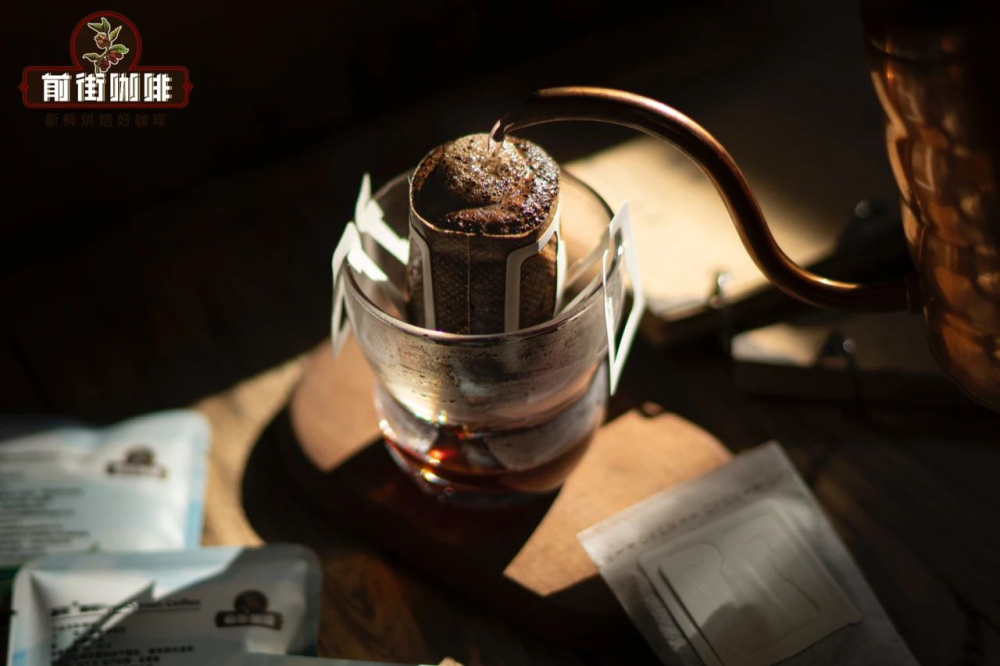
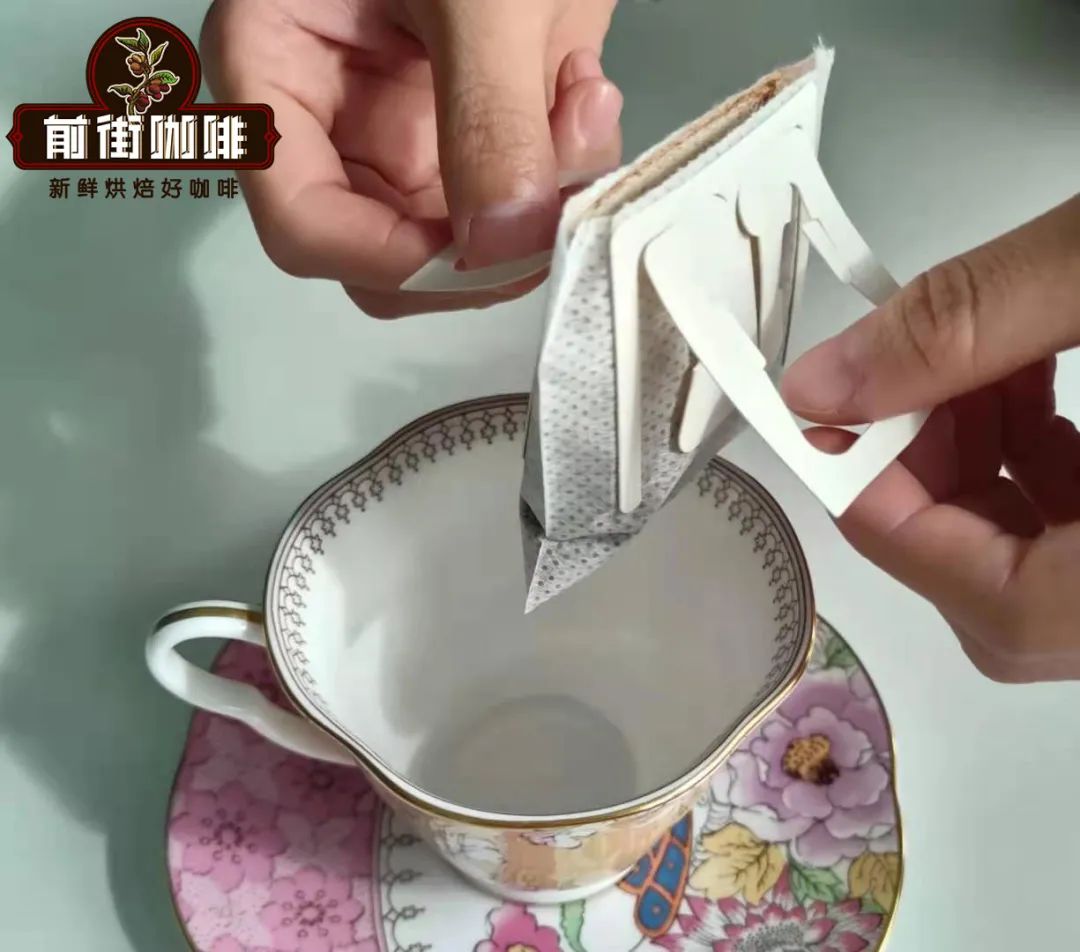
3. Hang the Filter Bag: Gently shake the drip bag to let the coffee grounds settle at the bottom, avoiding powder dispersion when tearing it open. After discarding the cup-warming water, tear off the seal, spread the two side handles open, and hang them on the edge of the cup while evenly leveling the coffee grounds.
4. Pre-infusion (Bloom): The first pour only needs to slightly wet all the coffee grounds. Let it sit for about 20 seconds to allow the coffee grounds to absorb water and release carbon dioxide. This step can be extended to 40 seconds for a richer taste.
5. Main Pour: Then, pour water in a thin stream until the filter paper is about 80% full. Wait for the water level to drop, then continue pouring. The total extraction volume is recommended to be controlled at around 150~180ccuntil the extraction is complete. There’s no need to wait for all the water in the filter bag to drip out before removing it.
[Why Is Correct Brewing So Important?]
Some users might think drip bags are like tea bags and can be steeped for a long time. But in reality, brewing specialty coffee values precision and balance. Over-extraction will result in noticeable bitterness, and drip bags are essentially “portable specialty coffee,” eliminating the need to grind your own beans but still requiring similar brewing principles. If you don’t follow the recommended parameters and steps, even high-quality coffee powder may fail to deliver the expected flavor complexity.
[Precautions for Brewing Drip Bags]
When brewing drip bags, there are several key points to keep in mind: First, never re-brew the same coffee grounds; second, do not leave the coffee grounds soaking in the cup after brewing, as this can lead to over-extraction; finally, if you directly drop an unopened drip bag into the cup and brew it, the water temperature will start to drop before the coffee grounds are evenly soaked, severely affecting extraction efficiency and final flavor.
[Why Drip Bags Have a Shorter Optimal Flavor Period]
Compared to whole beans, the optimal flavor period of drip bags is noticeably shorter. It is generally recommended to finish them within two weeks after grinding and packaging to fully appreciate their aroma and flavor. This is because ground coffee has a much larger surface area exposed to air, accelerating oxidation and aroma evaporation. Even if unopened, the internal carbon dioxide dissipates over time, and after about two weeks, the aroma will gradually decline. Although vacuum packaging can delay some oxidation, it cannot completely prevent the natural dissipation of aroma. Therefore, even if the drip bag looks plump upon arrival, the aroma inside may already be starting to fade. It is recommended to enjoy it within two weeks of purchase for the best drinking experience.
[How to Choose the Right Drip Bag?]
Choosing a drip bag is actually similar to selecting single-origin coffee beans. If you enjoy coffee with intense fruity notes, you can opt for something like Panama Geisha, which offers distinct flavors. If you prefer a rich, caramel-like profile, you might go for dark roast or specially processed drip bags such as Honduras Sherry. Many well-known origins and processing methods are now available as drip bags, allowing you to enjoy quality and flavors close to pour over coffee from the comfort of your home.
In summary, although drip bags are convenient, fully experiencing their refined flavors still requires attention to brewing details and shelf life. With the right brewing method and timely enjoyment, you can also savor café-level aroma experiences at home.
The above content is compiled by CoffeeHunters, a coffee news website.


