







Introduction:Drip bags, with their portability and excellent flavor performance, have become a gateway for many coffee beginners to explore the world of pour over. This article starts with the basic concepts and flavor characteristics of filter-bag coffee, introduces in an easy-to-understand way how to choose the right drip bag products based on origin and roast level, and thoroughly explains the five correct brewing steps. It helps readers easily brew at home with quality close to that of professional pour over — an essential practical guide for every coffee enthusiast.
In recent years, drip bags have rapidly gained popularity among coffee lovers. This type of product combines the flavor of pour over coffee with the convenience of instant coffee, making it especially suitable for people who are often on the go. The so-called filter-bag coffee is actually an innovative design where pre-ground coffee is packed into a special filter bag equipped with two paper handles on the sides. Simply place it over a cup and pour in hot water to complete the extraction.
This product originally comes from Japan, and its design is inspired by the brewing principles of pour over coffee. It can effectively preserve the original aroma and flavor of coffee beans. Compared to traditional instant coffee, it better showcases the multi-layered taste of coffee, such as bright acidity, rich sweetness, and full body. In addition, it has the advantages of taking up little space and being ready to brew instantly, making it very suitable for the fast-paced yet quality-conscious lifestyle of modern people.
When it comes to the flavor of drip bags, their biggest feature is the ability to present a layered experience similar to pour over coffee. This is closely related to the use of freshly roasted coffee beans, as only fresh beans can release complete aromatic compounds, bringing delicate flavors such as floral, fruity, caramel, or chocolate notes. Generally speaking, drip bag coffee emphasizes a pure black coffee experience without sugar or milk, allowing drinkers to truly appreciate the unique character of the coffee itself.
When choosing a drip bag product, it is recommended to start with two main aspects: the origin of the coffee beans and the roast level. Coffee beans from different regions, due to differences in climate, soil, and processing methods, will exhibit distinct flavor profiles. For example, Yirgacheffe from Ethiopia is known for its bright acidity and citrus, floral notes, making it ideal for those who prefer a refreshing taste; while coffee from Brazil’s Cerrado region is characterized by nutty, chocolatey flavors and low acidity, suiting those who prefer a balanced profile.
Additionally, the roast level directly affects the final expression of the coffee. Medium-light roasts usually preserve more of the original flavors, with brighter acidity, making them suitable for those who enjoy fruity and floral notes; medium-dark roasts bring out more caramel, spice, and body, with a balanced bitterness and sweetness, catering to those who prefer a richer taste. Beginners are advised to try different combinations of origins and roast levels based on their personal preferences for acidity, sweetness, and bitterness, gradually finding the most suitable choice.
For those new to drip bag coffee, mastering the correct brewing techniques is crucial, as it can significantly improve extraction efficiency and overall flavor performance. Below are five brewing steps that have been proven effective in practice, each hiding a little tip to enhance the flavor.
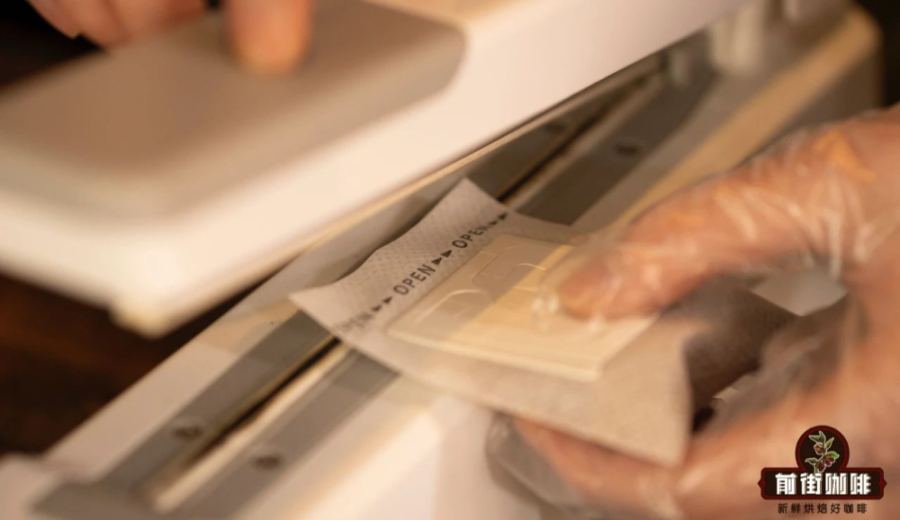
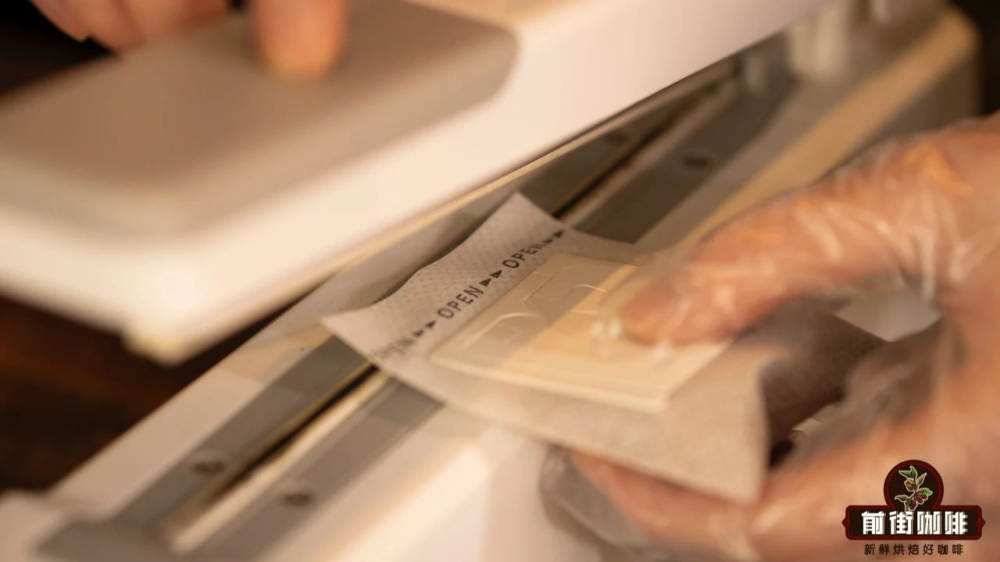
The first step is to carefully tear open the outer packaging of the drip bag. At this point, you can gently smell the dry aroma of the coffee grounds. This is not only part of enjoying the coffee but also a way to preliminarily assess its freshness and flavor tendency.
The second step is to securely place the two paper handles over the rim of the cup. It is recommended to choose a cup with a moderate opening; too wide an opening may cause the handles to sit unstable. At this time, you can again sense the aroma released by the coffee grounds, which helps predict the flavor profile after brewing.
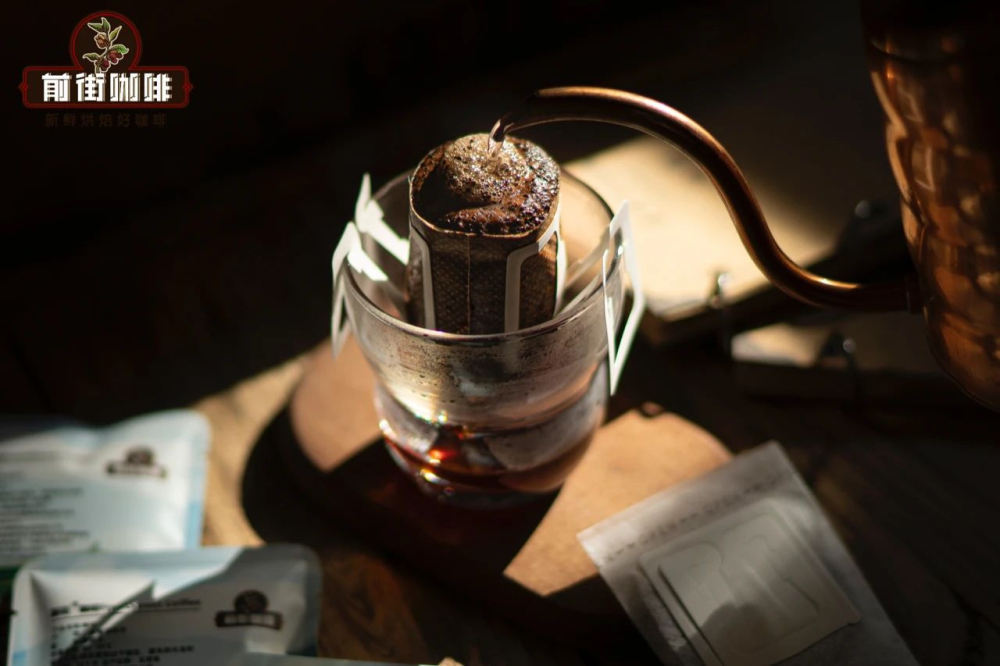
The third step is blooming, which is an extremely crucial part of both pour over and filter-bag coffee. Use hot water at about 88–92°C, starting from the center of the coffee grounds and evenly pouring to fully wet all the grounds. Let it sit for about 10–15 seconds. This period allows the coffee grounds to release carbon dioxide and paves the way for subsequent extraction, while also awakening the aromatic molecules of the coffee.
The fourth step is the actual coffee extraction. It is recommended to pour water slowly in a circular motion to ensure every part of the coffee grounds is evenly in contact with the hot water. Generally speaking, 10 grams of coffee grounds can yield about 180 milliliters of coffee liquid. If you don’t have a measuring cup, pouring enough water to fill the filter bag twice will generally achieve the desired concentration. Pay attention to controlling the speed and stability of the water flow, as this directly affects the uniformity of extraction and flavor balance.
The final step is, of course, to enjoy the results. After brewing, gently remove the drip bag. It is recommended to taste the coffee while it is still hot to fully experience its layers and details. Used drip bags can be discarded, or temporarily stored in the refrigerator as a natural deodorizer. Make the most of every step to enrich your coffee experience.
The above content is compiled by CoffeeHunters, a coffee news website.


