







Introduction:Improper storage can significantly affect the flavor and extraction performance of coffee beans. This article details how to properly store bagged coffee beans, offering practical methods to extend freshness, and features six popular roasted bagged coffee beans on the market. From flavor profiles to recommended brewing methods, it helps readers choose the most suitable beans based on their personal preferences.
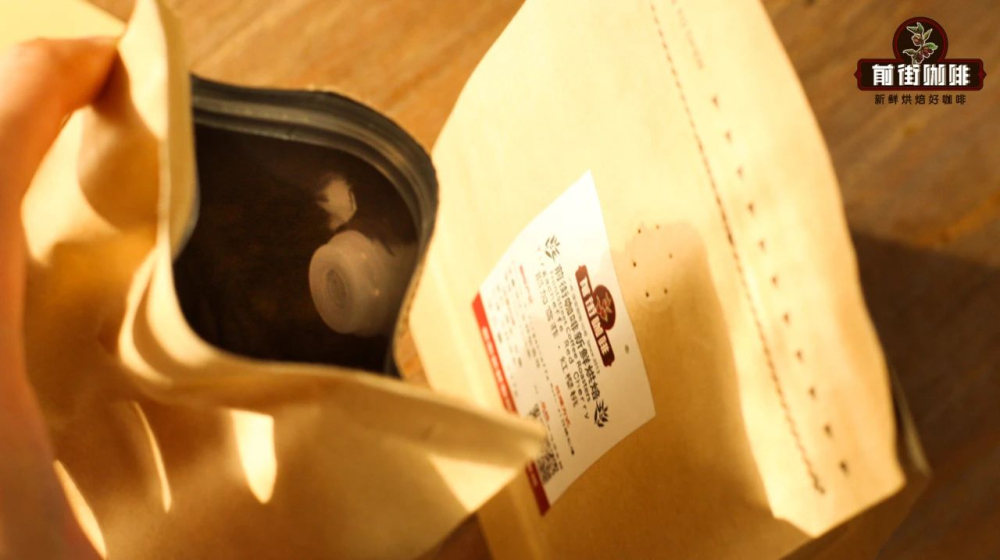
Bagged coffee beans are the most common packaging format encountered by most coffee enthusiasts. Their lightweight, durable design, along with the one-way degassing valve, helps release carbon dioxide produced during roasting while minimizing oxygen ingress, thereby extending shelf life. However, even with a degassing valve, roasted coffee beans will still gradually oxidize due to exposure to oxygen, temperature fluctuations, moisture, and light, resulting in flavor loss or even off-odors. Therefore, understanding the correct storage methods is key to maintaining coffee bean quality.
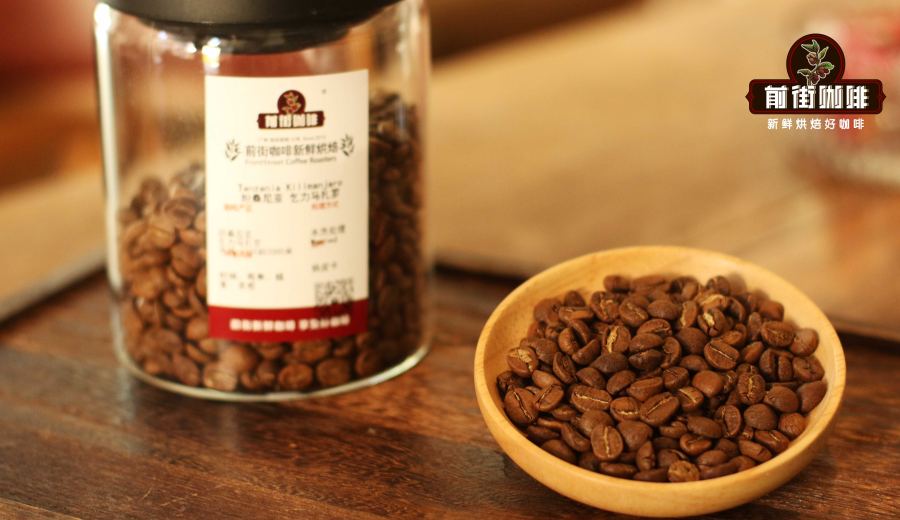
The primary principles for storing coffee beans are airtightness, low temperature, and light avoidance. The ideal storage environment should maintain a temperature below 25°C, avoid excessive humidity, and prevent direct sunlight. It is recommended to place the beans in a clean, odor-free, airtight container.Glass containers are the top choiceas they block ultraviolet rays and heat sources. In contrast, plastic containers tend to absorb coffee oils, and if not thoroughly cleaned, may cause secondary contamination, affecting the flavor of subsequent brews.
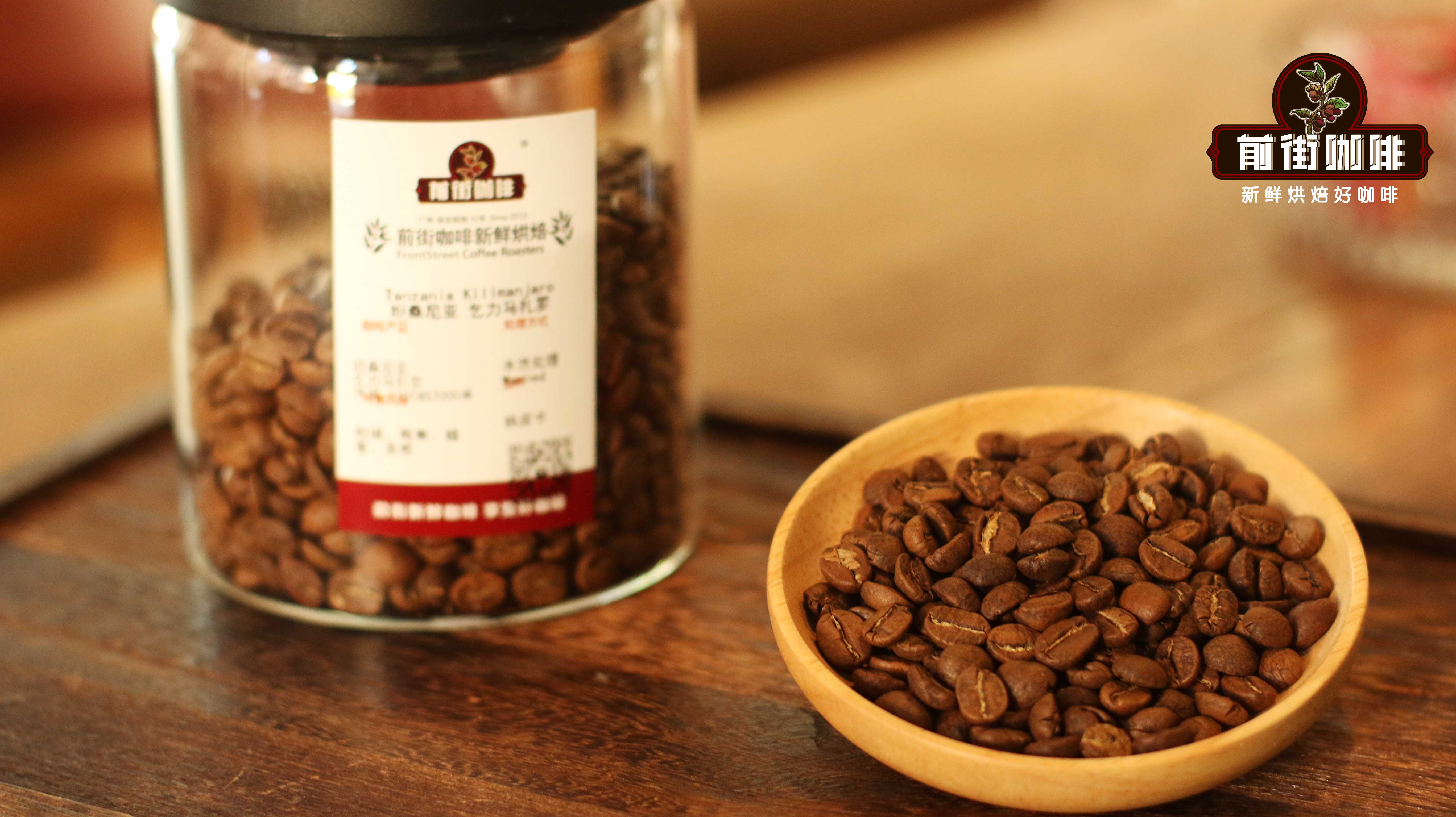
Commonly available coffee bean packaging on the market can be divided into three main types: sealed jars, vacuum-sealed jars, and bags. Among them, bagged coffee beans have become the mainstream in the market due to their portability, pressure resistance, and the inclusion of a one-way degassing valve. While sealed jars offer basic airtight functionality, they lack a degassing mechanism and are not suitable for dark roasted beans, as internal pressure buildup can lead to oil seepage. They are recommended only for short-term practice use. For more effective maintenance of coffee freshness, specially designed coffee storage cans with adjustable one-way valves can be chosen. These balance internal and external pressure and reduce oxidation.
Additionally, when selecting coffee beans, priority should be given to products with clear roast dates and those sourced from trustworthy roasters.The optimal flavor window for coffee beans is typically 7 to 21 days after roasting; consuming them too early or too late may impact flavor performance. If you cannot consume them immediately, be sure to store them in a completely airtight manner and avoid placing them with other strongly scented foods.
Next, we will introduce six recently widely discussed bagged roasted coffee beans, covering different origins and processing methods, and analyze their flavor characteristics and suitable scenarios to help readers make choices based on their own taste preferences and brewing methods.
A certain brand’s Ethiopian Huilafeatures prominent rose floral notes and fruity berry acidity with a sweet finish that lingers like brandy. The overall profile showcases bright fruit acidity and rich layers, making it highly suitable for drinkers who enjoy fruity notes and do not prefer strong bitterness. This bean is recommended for pour over brewing but is less suitable for espresso machines or moka pots, as the fruit acidity may overpower the cup.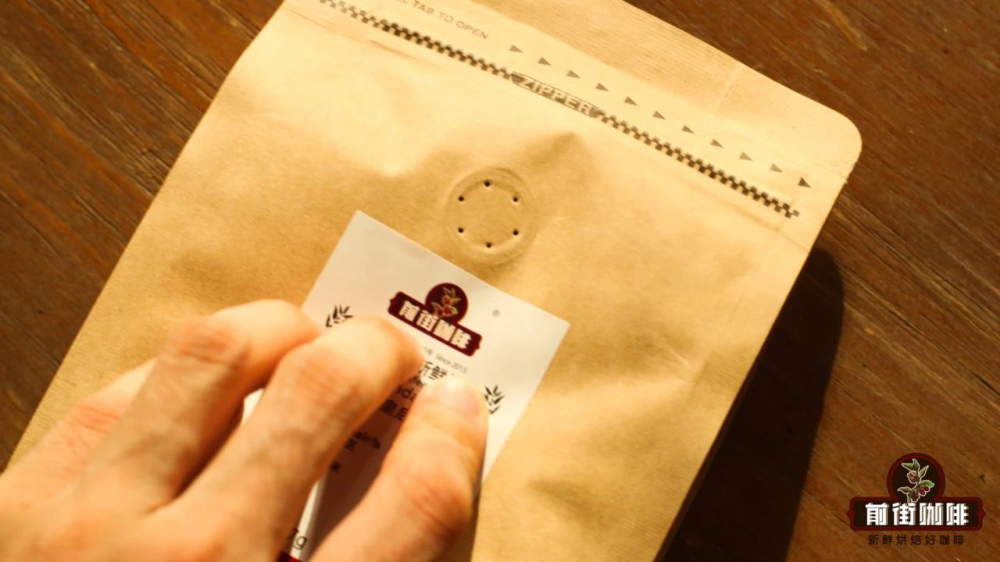
A certain brand’s classic espresso blendis an ideal choice for beginners, offering a balanced base of nuts and chocolate with a mild, non-irritating taste. Whether used for milk coffee or black coffee, it delivers stable performance. This blend is compatible with all types of brewing equipment, making it easy for newcomers to enjoy a smooth cup without complicated techniques.
A certain brand’s Indonesian Mandheling · Sumatradisplays low acidity, with interwoven herbal, nutty, and caramel aromas, and a finish that offers distinct sweetness and a woody tone. It is a classic choice for those who prefer a full-bodied taste and consistent flavor.
A certain brand’s Strawberry Soda espresso blendemphasizes intense nutty and chocolatey tones with low acidity and distinct layers. When paired with milk, it highlights a rich and mellow character, making it highly suitable for espresso machines or moka pots to prepare milk-based coffee.
A certain brand’s Xiladuo Red Bourbon coffee beansare anchored by chocolate and nut flavors, with notable sweetness and stable flavor. They are suitable for drinkers who dislike acidity and prefer low-acid, woody profiles. Commonly used in milk coffee or as a base for coffee desserts.
A certain brand’s Sidra coffee beansshowcase aromas of passionfruit, grapes, and apricots, paired with citrus notes and chocolatey sweetness. The aftertaste is as enchanting as fruit wine, making it particularly suitable for cold brew methods such as iced coffee and cold drip. It is highly favored by consumers who enjoy fermented flavors and fruity profiles.
The above content is compiled by CoffeeHunters, a coffee news website.


