







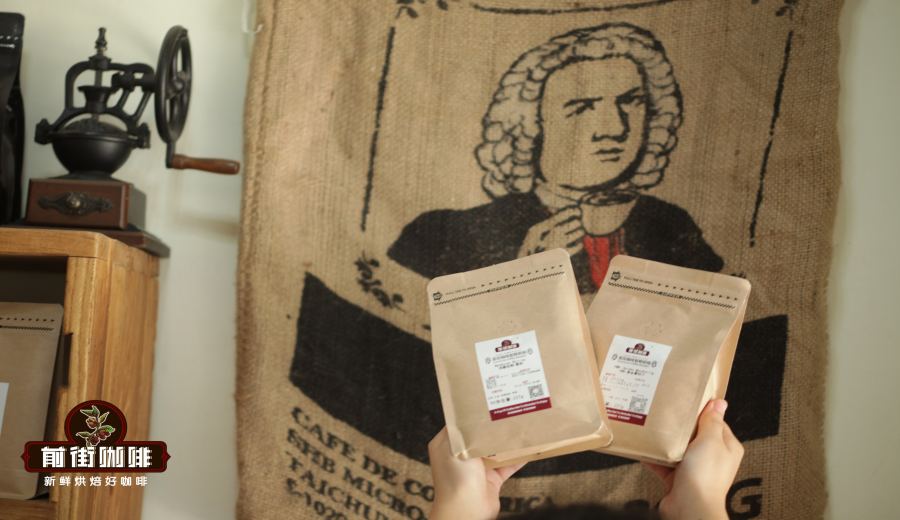
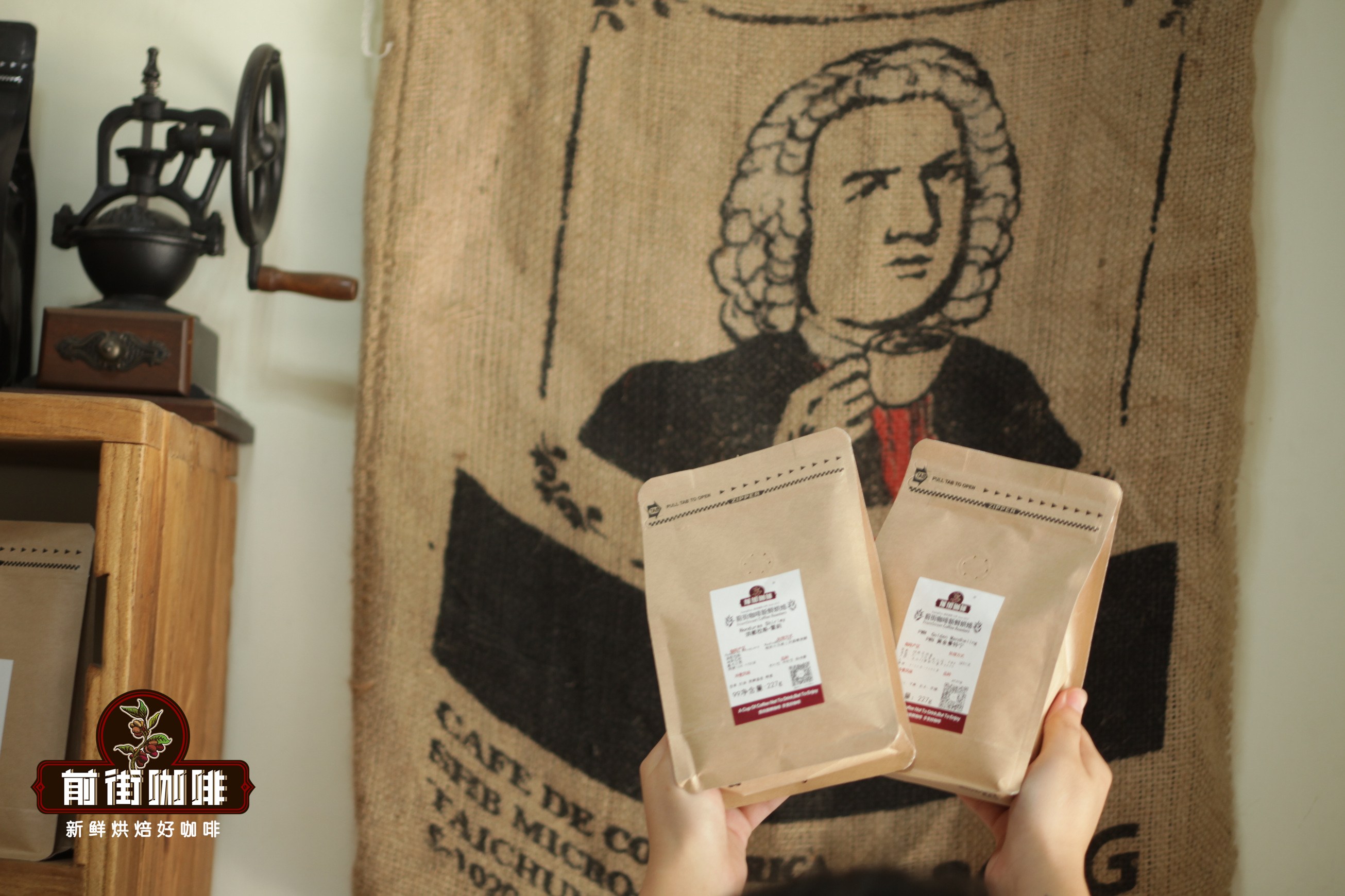
Introduction:Costa Rican coffee is renowned for its pronounced sweetness and unique processing methods. Among them, the Musician Series launched by Finca Kenton in the Tarrazú region has become a prized collection item for many coffee enthusiasts. This article delves into the origin background, processing techniques, and flavor profiles of three coffees in this series—Beethoven, Mozart, and Bach—and provides practical pour over parameters and recommendations to help you better understand the characteristics of premium Costa Rican beans.
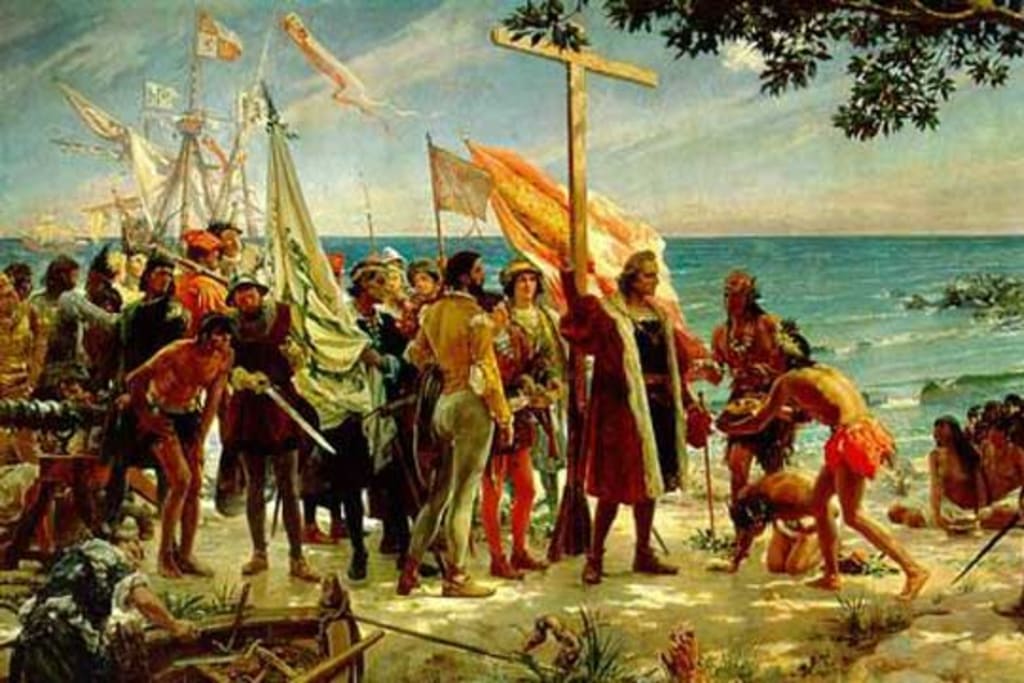
Costa Rica is not only one of the first countries in Central America to introduce coffee cultivation, but also holds a prominent position in the global specialty coffee market thanks to its high-altitude plantations and honey processing techniques. As early as the late 18th century, Arabica varieties began to be cultivated in the Central Valley region. With strong government support, the coffee industry grew rapidly in the 19th century, and by 1829, the export value of coffee had surpassed that of traditional crops such as tobacco, sugar, and cocoa.
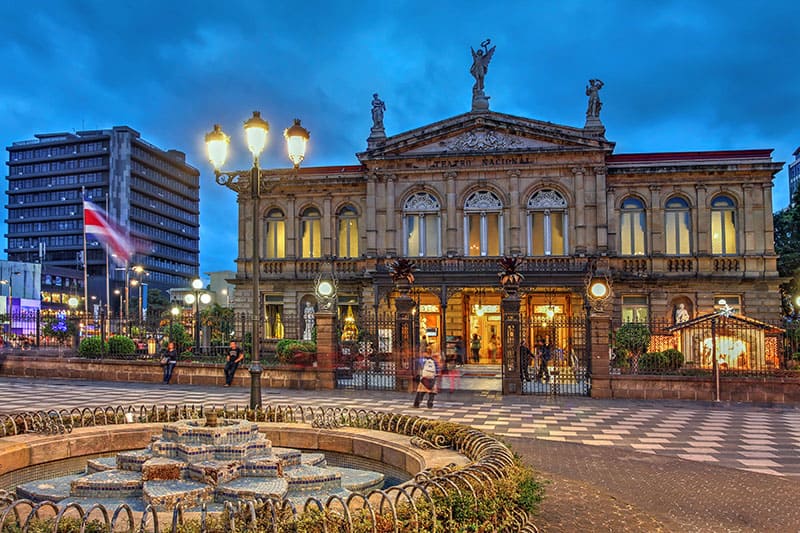
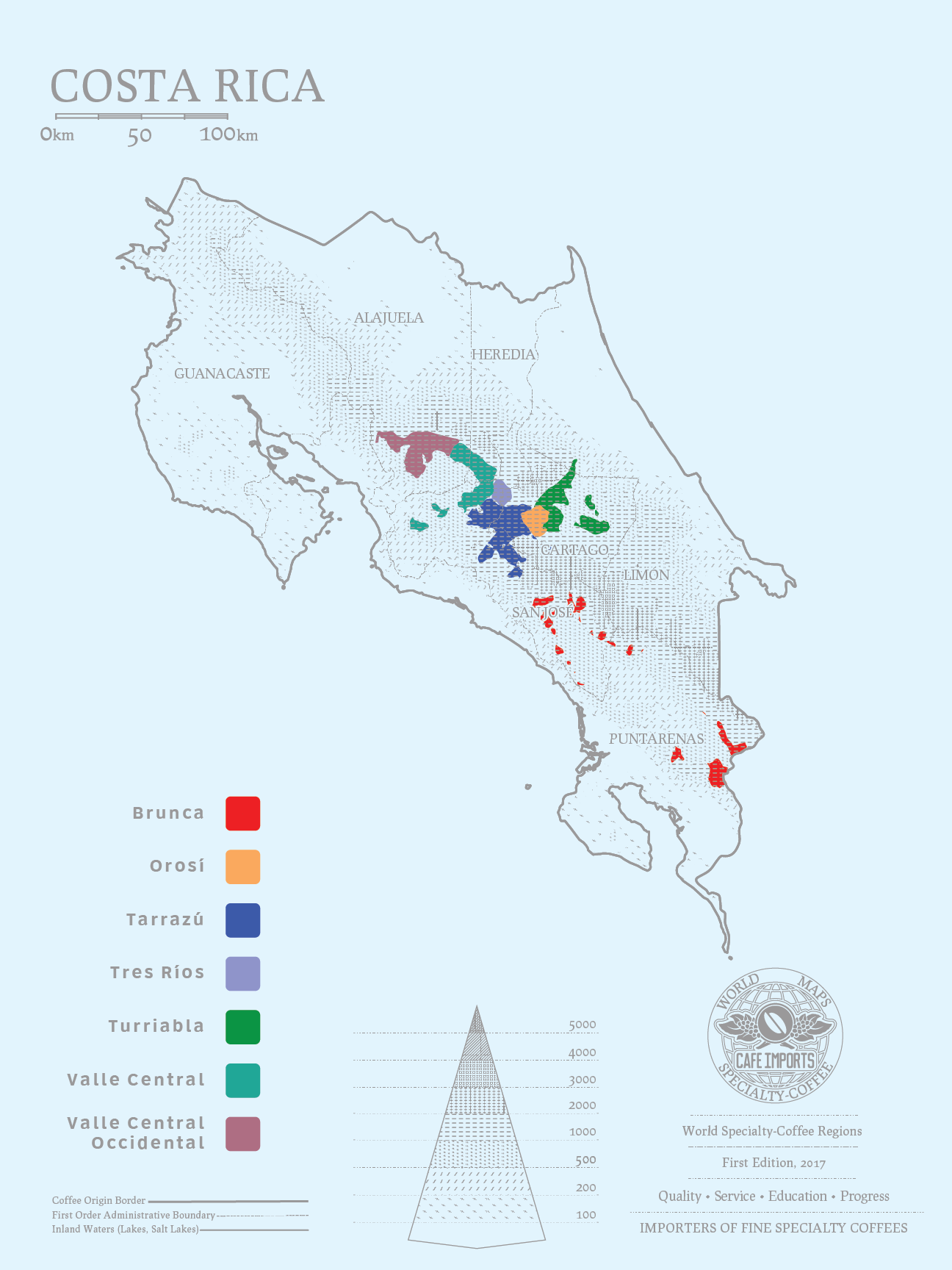
Costa Rica is currently divided into seven major producing regions: West Valley, Central Valley, Tarrazú, Tres Ríos, Orosi, Brunca, and Turrialba. Among them, Tarrazú, with its high altitude and stable microclimate, is home to many top-tier estates. Finca Kenton is located in the town of San Marcos in this region. Though covering an area of just about five hectares, it has gained market attention for its refined processing and consistent quality.
The Musician Series from Finca Kenton consists of four coffee beans, each named after a famous composer, including Beethoven, Mozart, Bach, and one not detailed in this article. These three coffees are all grown in Tarrazú but showcase distinct flavor profiles due to different processing methods, with the grape honey process being particularly distinctive.
The so-called grape honey process (Honey Process) involves retaining 100% of the coffee fruit's mucilage after harvest and drying it directly on raised beds without washing. This technique demands extremely precise control over weather and humidity, as well as accurate management of drying time, typically taking 10 to 14 days. On the day of harvest, only fully ripe coffee cherries are selected, left to rest for three days, then the outer skin is removed while the sticky mucilage layer is retained. The beans are then slowly dried, allowing the mucilage and seeds to fully ferment and interact, resulting in a richer sweetness and more complex layers in the coffee.
This processing method gives the coffee an acidity structure similar to white wine, along with intense fermentation aromas and a sweet taste reminiscent of dried fruits—sweet yet not cloying, making it a favorite among coffee lovers who prefer a sweeter profile.
In the Musician Series from Finca Kenton, the three selected beans are:
BachandMozartAll are processed using the grape honey method, but with slightly different varieties. Bach uses a Catuaí and Caturra blend, grown at an altitude of about 1980 meters; Mozart is the H1 variety, also grown at high altitude. Both beans exhibit rich sweetness and fermentation layers, but with distinct flavor directions.
Beethovenis the only one processed with the washed method, using the Yellow Caturra variety, grown at an altitude of about 1900 meters. The washed process gives it a bright and clear acidity and a clean flavor background, making it the most refreshing in tone within the series.
In terms of roasting and brewing, to highlight the natural aroma and sweetness of Costa Rican coffee, a medium roast level is recommended. For actual pour over brewing, you can use water at 91°C with a Hario V60 filter, which effectively extracts the floral and fruity notes and delicate sweetness of the beans, while avoiding over-extraction that could lead to bitterness.
Recommended pour over parameters are as follows:
- Filter: Hario V60
- Water temperature: 91°C
- Coffee dosage: 15 grams
- Coffee-to-water ratio: 1:15
- Grind size: Medium-fine, approximately 80% passing through a #20 sieve
- Brewing steps: Start with a 30-second bloom using 30cc of water, then pour in a small circular motion until reaching 125cc for the first pour. When the water level drops to just about to expose the coffee bed, pour again to reach 225cc. Once the V60 has completely dripped through, remove the filter. Total brew time is about 2 minutes.
In terms of flavor profile:
Bachfeatures a subtle wine-like aroma, bright and solid acidity, a sweetness reminiscent of raisins and cane sugar, and a smooth, tea-like aftertaste. The lingering cane sugar sweetness is both persistent and delicate.
Mozartdisplays complex floral notes and fermented sauce-like aromas, paired with a berry-like acidity and rich dried fruit sweetness. The cane sugar aftertaste is pronounced, with an overall rich layering.
Beethovenhas the most diverse flavors, including fruit notes like strawberry, apple, lemon, grape, and citrus. The mouthfeel is as smooth as cream, and the aftertaste is as sweet as honey and toffee, with a long-lasting finish that feels as comforting as drinking a cup of Darjeeling black tea.
Whether you prefer coffee with intense fruitiness or balanced sweetness, the Costa Rica Musician Series offers a variety of options. From the fermentation complexity of honey processing to the clarity of washed acidity, these three beans not only showcase the premium potential of the Tarrazú region but also offer insight into how processing methods influence final flavor expression.
The above content is compiled by CoffeeHunters, a coffee news website.


