







Introduction:To easily brew a great cup of coffee at home or in the office, mastering the correct pour over technique and selecting the right coffee beans are key. This article provides a detailed breakdown of the three core steps in the pour over process—preparation, blooming, and main extraction—and recommends coffee beans suited to different taste preferences, such as bright acidity, tropical fruits, rich nuts, and bold fermented flavors, helping you find your perfect match.
Want to enjoy professional-grade pour over coffee at home or in the office? You don’t need expensive equipment or to be a professional barista. With the right steps and techniques, anyone can brew a balanced and flavorful cup. This article not only walks you through every detail of pour over brewing but also recommends a variety of distinctly flavored beans based on different drinking preferences, making it easy for you to choose the one that suits you best.
The basic pour over process can be simplified into three main stages: preparation, blooming, and main extraction. Although there are many different pour over methods on the market, the core principles are largely similar. However, before starting these three steps, the most important thing is to choose the right coffee beans. Freshness is one of the most critical factors affecting coffee flavor, so it’s recommended to use freshly ground beans to retain the maximum aroma and volatile compounds. Generally speaking, coffee beans are at their best within five days of roasting, during which time they can showcase the richest layers and details.
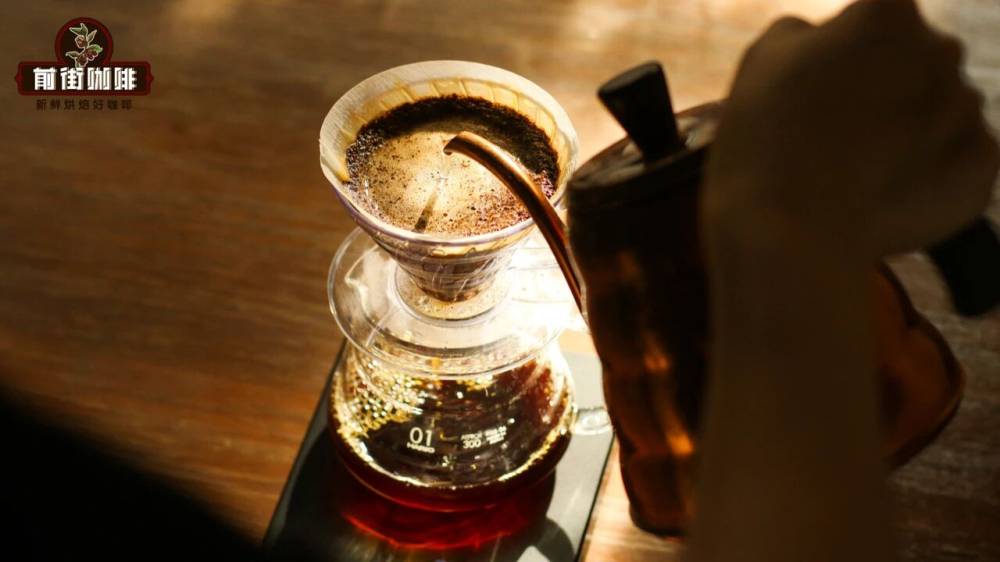
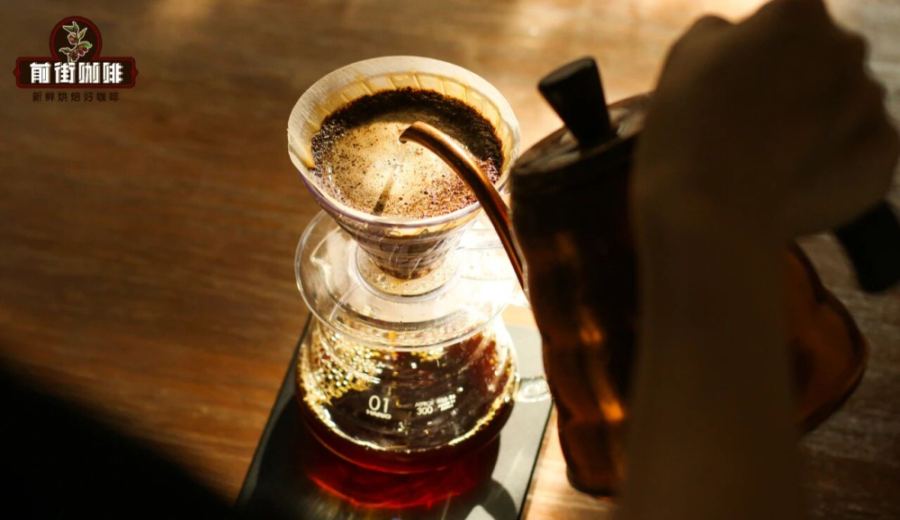
The preparation stage is the foundation of the entire pour over process, and if this step isn’t done well, the subsequent extraction can easily result in off-flavors or uneven extraction. First, fully wet the filter paper, which not only helps it adhere to the filter cone but also effectively removes the papery taste of the filter itself. Next, preheat the server and pour over kettle with hot water to ensure stable temperature throughout the brewing process. After placing the ground coffee into the filter, it’s recommended to gently tap the edge of the cone to make the coffee bed surface more even, which helps ensure more uniform water flow later. Additionally, don’t forget to take a deep breath and relax before you start, focusing on the brewing process itself—this can enhance the overall experience.
Blooming, also known as pre-infusion, is an important step in initiating the release of aroma and flavor from the coffee grounds. This stage typically uses about 30 grams of water, gently and evenly poured over the coffee grounds to ensure all of them are moistened. The waiting time is about 15 to 30 seconds, depending on the condition of the beans. During this time, you might observe the coffee grounds slowly expanding and unfurling like a hamburger patty—an oddly comforting sight that also indicates the beans are releasing CO₂ in preparation for the upcoming extraction.
Moving into the main extraction stage, start by pouring about 120 grams of water with a slightly higher flow rate. The goal of this step is to lift the entire coffee bed, allowing the water to pass through more smoothly. It’s recommended to keep the water stream vertical and steady, avoiding direct impact on the center of the coffee bed to prevent channeling. This stage of pouring is usually completed around the 55-second mark, with a target total water volume of 150 grams.
When the liquid level drops to about halfway down the filter cone, begin the third stage of pouring. At this point, switch to a smaller stream of water and pour about 90 grams in small circular motions, paying attention to maintaining a stable flow to avoid excessive agitation that could disrupt the coffee bed and affect extraction evenness. The overall pouring target is 240 grams, with the dripping process typically finishing around the 2-minute and 10-second mark. Finally, remove the filter cone, gently swirl the server to mix the coffee evenly, and you’re ready to enjoy.
In practical operation, it’s recommended to use a V60 filter cone with a medium-fine grind (about the size of fine sugar, with roughly 80% of the fines passing through a #20 sieve). Water temperature should be controlled at 91–92°C, with a coffee dose of 15 grams and a brew ratio of 1:15. This set of parameters can fully highlight the layers and balance of the coffee. Additionally, the brewing environment can also affect the overall experience—a quiet, warm space allows you to focus more on the changes in coffee aroma, enhancing the overall enjoyment.
For readers with different taste preferences, here are several common and popular types of coffee bean flavor profiles: If you enjoy bright acidity and floral notes, go for light to medium roasted washed beans, such as those with lemon, citrus, or green tea characteristics; for those seeking tropical fruit flavors, choose light to medium roasted beans described with terms like guava, mango, or strawberry jam; if you prefer bold, rich flavors, medium to dark roasted beans with nutty and chocolate notes will be more suitable; and for coffee lovers wanting to explore unique fermented flavors like winey notes, dried fruits, etc., look for beans described with words like passionfruit, raisin, or peach—these often come with more complex layers and a lingering finish.
The above content is compiled by CoffeeHunters, a coffee news website.


