







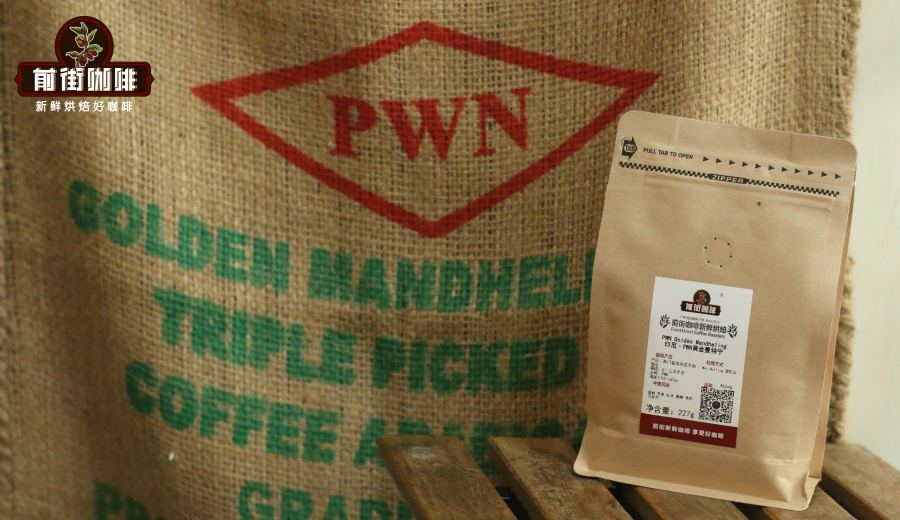
Introduction:Indonesian Mandheling is renowned for its rich herbal and spicy profile, and Golden Mandheling stands out as one of its premium representatives. This article delves into the characteristics of Sumatra’s core producing regions, the impact of the wet-hulling process on flavor, and the key differences between Golden Mandheling and regular grades. It also offers beginner-friendly pour over recommendations, covering grind size to water temperature, to help you easily extract Mandheling’s full-bodied flavors.
Mandheling coffee is the representative of Indonesian coffee, but what sets Golden Mandheling apart from regular Mandheling? Against the backdrop of Sumatra’s core producing areas, this article takes you through the region’s unique traits, coffee varieties, the wet-hulling process, and the Golden Mandheling grading system introduced by the PWN company, offering a comprehensive understanding of this uniquely flavored coffee. Additionally, it explores why Mandheling is well-suited for pour over beginners and provides practical brewing parameters.
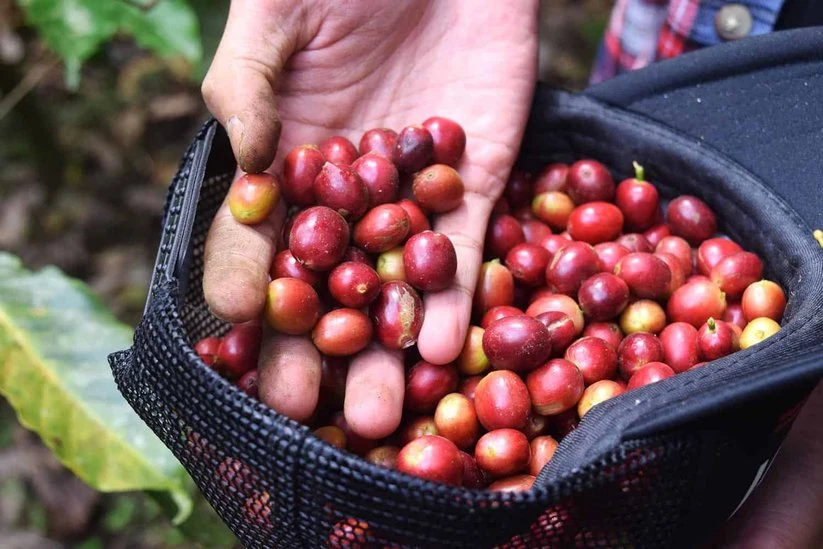
As a globally significant coffee-producing country, Indonesia’s Sumatra Island is famed for its wet-hulled Mandheling. The region features a tropical rainforest climate, hot and humid, and while its overall altitude doesn’t match that of some Central and South American or African regions, Sumatra still has many highlands between 1,100 to 1,600 meters above sea level ideal for coffee cultivation. The island primarily grows the Ateng variety within Arabica, which, when processed properly, can exhibit rich herbal and nutty aromatic notes.
Sumatra’s main coffee-producing regions include the Gayo Mountains in Aceh, Lake Toba in North Sumatra, and the Lidong area in South Sumatra. Among them, Lidong is regarded as the essence of Mandheling production, with notable sub-regions such as Sidikalang, Bergendar, Siborong-Borong, and Telok Sanggul. Lake Toba is a key birthplace of modern Mandheling coffee, first introduced by the Dutch in 1888; meanwhile, Aceh’s Lake Tawar, though smaller in size, has seen significant improvements in both coffee quality and yield in recent years, becoming another noteworthy niche origin.
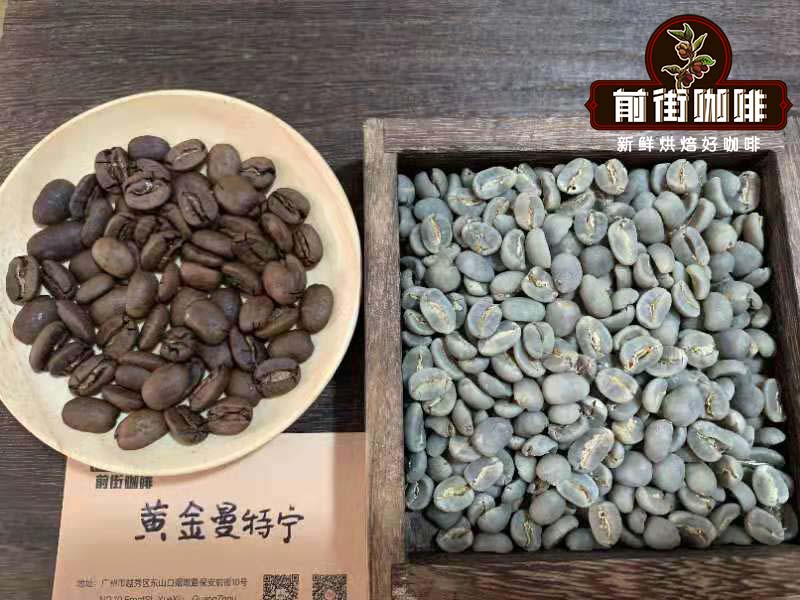
One of the most distinctive features of Indonesian Mandheling coffee is its unique processing method — wet-hulling. This approach wasn’t actively chosen by local farmers but developed as an adaptation to Sumatra’s rainy, low-sunlight weather conditions. In the wet-hulling process, after removing the coffee fruit’s skin and pulp, the beans undergo brief fermentation and have their parchment layer removed while still at a high moisture content. Since the beans aren’t fully dried, removing the outer shell at this stage can easily cause deformation, resulting in hoof-like marks — a phenomenon common in Mandheling but not considered a defect.
The wet-hulling process generally consists of two stages: first, the mucilage-covered beans are fermented for about three hours and then partially sun-dried until the moisture content drops to 30–50%; next, the parchment layer is removed, and drying continues until the moisture level reaches around 12–13%, a process taking about 2–4 days in total. This method imparts Mandheling’s bold earthy, herbal, and spicy characteristics, which are also key factors distinguishing it from coffees of other regions.
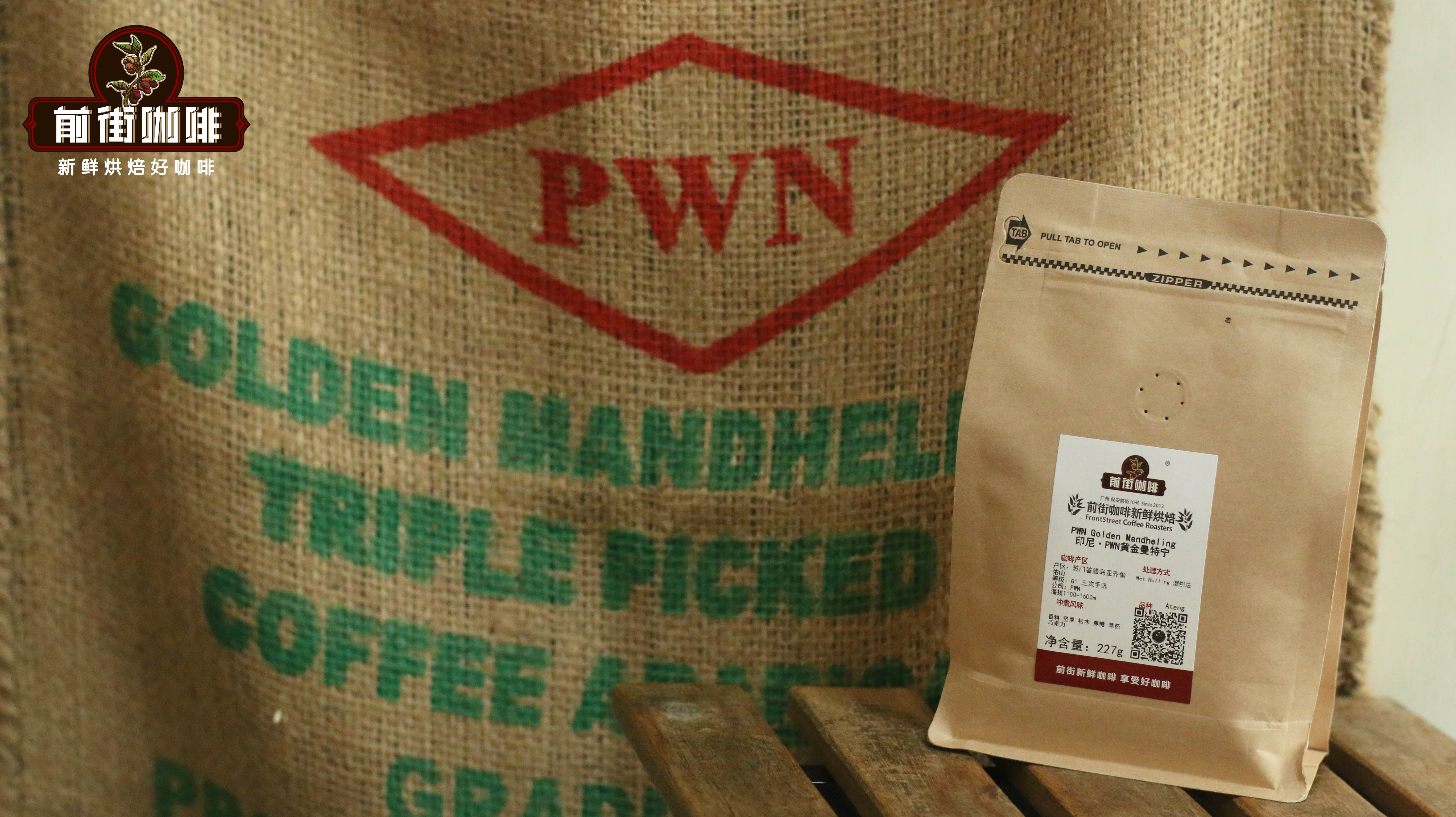
When discussing high-quality Mandheling, one must mention “Golden Mandheling.” This name originates from Indonesia’s well-known Pwani Coffee Company (abbreviated as PWN), which has long focused on sourcing top-grade coffee beans from Sumatra’s premier regions. PWN conducts rigorous manual selection of the green beans it purchases, choosing only plump, defect-free beans, which undergo multiple hand-sortings before being classified as Golden Mandheling. In fact, PWN registered the English trademark for “Golden Mandheling” earlier than Japan, meaning only beans produced by PWN can be called authentic Golden Mandheling; similar products from other regions are typically sold under other names such as “Ding Shang Mandheling.”
Examining the packaging of Golden Mandheling green beans, you’ll often see labels like “Triple pick” and “GRADE 1,” indicating these beans belong to the highest grade in Indonesia’s green bean classification. After obtaining Grade 1 beans, PWN performs an additional three rounds of manual selection to ensure each bean meets specialty standards. This stringent selection system is also one of the reasons Golden Mandheling delivers a more consistent and refined flavor.
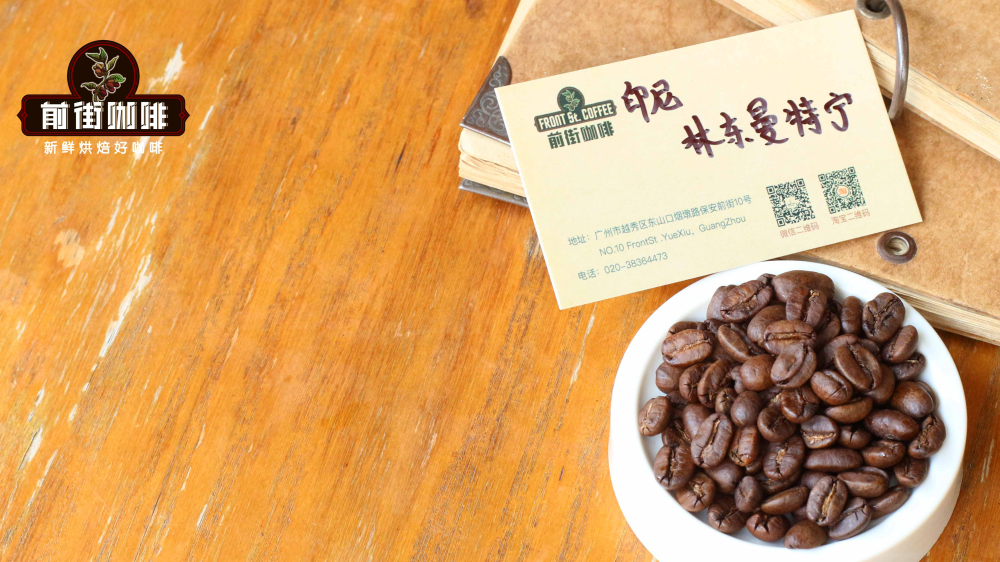
In terms of roasting and brewing, Mandheling is typically medium-dark to dark roasted to enhance its bold body and aromatic expression. Whether Golden Mandheling or regular Mandheling, both are well-suited for brewing with a variety of devices such as pour over, siphon, or French press. For coffee enthusiasts just starting with pour over, Mandheling’s stable flavor profile and moderate acidity make it easier to master the balance of water flow, grind size, and temperature. It’s recommended to use a medium-coarse grind, a water temperature of around 90–93°C, and a 1:15 coffee-to-water ratio to fully highlight its nutty, caramel, and herbal layers.
The above content is compiled by CoffeeHunters, a coffee news website.


