







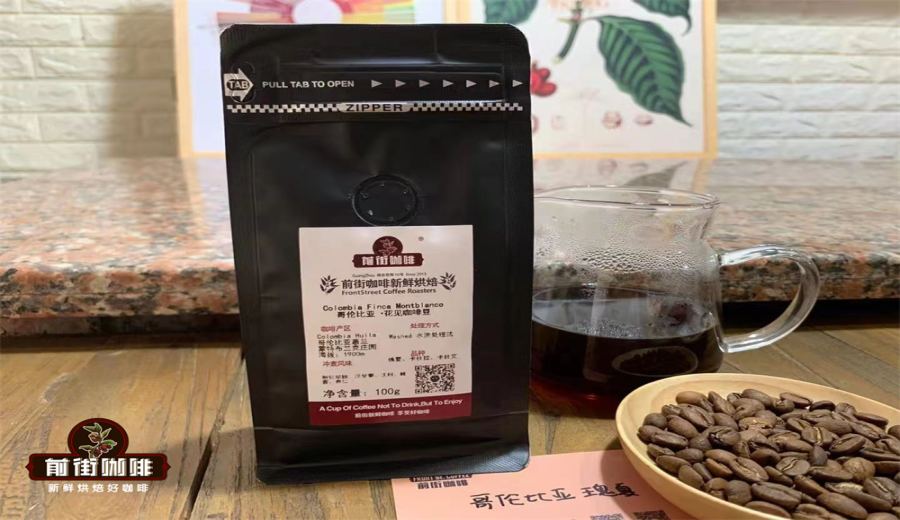
Introduction:This article provides an in-depth analysis of the Colombian Hanami Geisha Blend coffee beans, a blend of Geisha, Caturra, and Catuai varieties processed using the washed method to bring out a clean and pure flavor profile. It explores the geographical advantages of its origin in the Huila region and delves into the cultivation history and processing details of Finca Montblanco. Professional pour over recommendations and extraction parameters are also provided to help readers fully grasp the flavor potential and brewing essentials of this medium-light roasted blend.
The Colombian Hanami Geisha Blend is a specialty coffee that combines three varieties—Geisha, Caturra, and Catuai. Through the washed processing method, it showcases a clear and layered flavor profile. These beans come from Colombia’s Huila region, known for its high altitudes and diverse terrain, where the coffee often exhibits a balanced profile of nuts, caramel, and berries. Thanks to the washed process, this blend not only maintains a clean taste but also reveals delicate aromas such as chamomile and pink peppercorn during brewing. It’s a must-try for coffee lovers who enjoy medium to high-temperature flavor complexity.
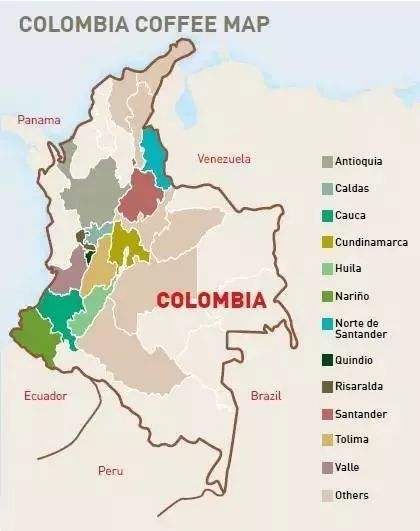
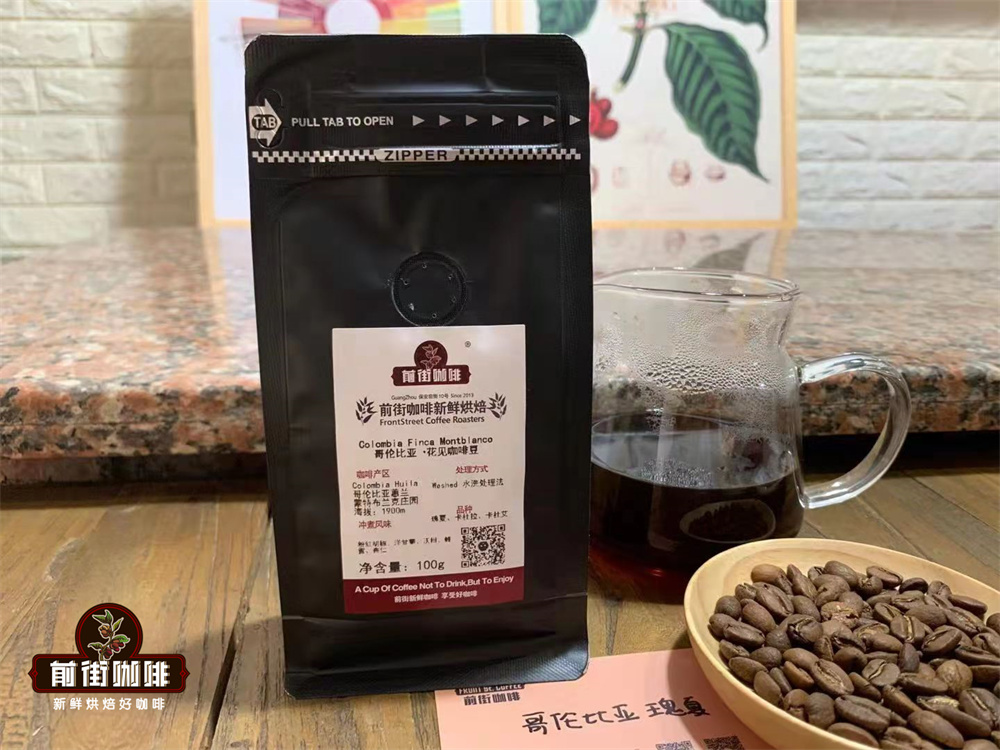 The Huila region is located in southern Colombia, at the intersection of the Central and Eastern Andes mountain ranges, with Pitalito as its main coffee-growing hub. The area sits at elevations between 1750 and 1950 meters, primarily consisting of small family farms that emphasize hand-picking and careful processing. For a long time, Huila has been a representative region in Colombia for consistently producing high-quality washed coffee. Its beans typically feature medium acidity and a full body, with notes of nuts and soft berries, making them ideal for everyday drinking or as a blend base. This coffee is also favored by consumers who prefer less intense acidity or bitterness.
This coffee, named “Hanami” (flower viewing), is actually a Geisha blend from Finca Montblanco. The farm is located on the hilltops of the Vereda La Torre Loca area in Pitalito, managed by the Rodrigo Sanchez Valencia family, who have over a century of coffee-growing history. Covering about 18 hectares, the farm benefits from stable water sources and is equipped with well-developed washed and drying facilities. As a result, most of its coffee is processed using the washed method, including some special variations of washed processing. This particular blend marks the first incorporation of the Geisha variety. After introducing Panamanian Geisha in 2016, the farm spent years cultivating and refining it, achieving its first harvest in early 2020 and officially beginning production in 2021, giving it special commemorative value.
 The Hanami Geisha Blend consists of three major varieties: Geisha, Caturra, and Catuai. Some readers may wonder whether blending multiple varieties still qualifies as a single-origin coffee. In fact, single-origin coffee refers to beans from the same region or farm, which can include multiple varieties. Therefore, this blend still fits the definition of a single-origin. Originally, the farm focused on Caturra and Catuai, but after introducing Geisha in 2016, years of patient cultivation and management led to stable yields starting in 2021, making this blend possible.
In terms of processing, Finca Montblanco uses the traditional washed method: freshly harvested coffee cherries are first floated to remove unripe fruits, impurities, and defective beans; then, a machine is used to remove the skin and pulp. The beans, still coated with sticky mucilage, are then placed in fermentation tanks for 18 to 36 hours of fermentation, where the naturally occurring acidic environment breaks down the mucilage layer. After fermentation, the beans are thoroughly washed and then evenly spread on sun-drying patios to dry until their moisture content is reduced to around 11%. Finally, the beans are wrapped in parchment paper and stored until just before export, when they are hulled. This process effectively preserves the original flavor characteristics of the coffee while enhancing its cleanliness and aroma expression.
 For this Hanami Geisha Blend, it is recommended to use a medium-fine grind, similar in coarseness to fine sugar (it is suggested to use a Chinese No. 20 standard sieve with an 80% extraction rate). Brew using a V60 filter cone with water at 91°C in a three-stage pour over method. The recommended coffee-to-water ratio is 1:15, using 15 grams of coffee and approximately 225 grams of total water. First, pour 30 grams of water for a 30-second bloom to help release CO₂ from the coffee grounds and ensure even and stable extraction thereafter. Then, pour in a small circular motion until reaching 125 grams for the first pour, followed by continued pouring until 225 grams, after which you stop pouring and wait for the dripping to finish. The overall extraction time should be controlled to around two minutes. Once finished, gently swirl the cup and enjoy.
In terms of flavor, at high temperatures, distinctive aromas of chamomile and pink peppercorn are clearly perceptible. At medium temperatures, the unique sweetness of mandarin orange and honey from the Geisha variety emerges, while the finish carries a hint of almond note and soft acidity. At lower temperatures, slight sourness or bitterness may occasionally appear. It is recommended to enjoy this coffee mainly within the medium to high-temperature range to experience its richest layers.
Additionally, regarding coffee bean storage and optimal brewing timing, it is advised to start enjoying the beans within five days after roasting. At this point, the beans are in the latter stage of degassing, and their flavors are at their best. If grinding is needed, it is best to use the beans immediately upon receipt. Although additional resting is not required, exposure to air leads to rapid oxidation and easy flavor loss. To achieve the best taste, it is recommended to grind and brew right away. For those who prefer whole beans, you can also enjoy the process of grinding them fresh while preserving more aroma and flavor potential.
The above content is compiled by CoffeeHunters, a coffee news website.


