







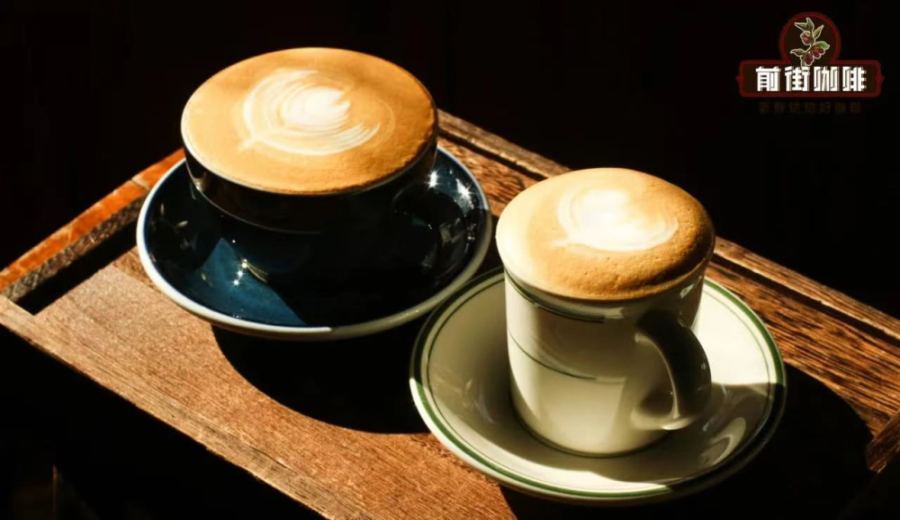
Introduction:To brew excellent-tasting espresso at home, selecting the right coffee beans is the first step to success. This article delves into the differences between common espresso blends and single-origin beans, and offers clear guidance for home users on choosing beans by evaluating three key aspects: flavor profile, stability, and cost-effectiveness. It also introduces four practical espresso blends—ranging from deep-roasted richness to bright fruity notes—detailing their regional origins, roast levels, and ideal usage scenarios to help you find the most suitable beans based on your preferences.
Espresso has become part of many people’s daily lives, whether it’s straight espresso, americano, latte, or cappuccino—all fall under the umbrella of espresso-based drinks. Among them, espresso serves as the soul base of all espresso beverages, and its extraction quality directly influences the overall flavor direction of the drink. If you want to brew balanced and layered espresso at home, choosing the right beans is crucial.
Generally speaking, coffee shops aim for a stable and rich taste and often use blends—mixtures of beans from two or more regions. This not only balances acidity, sweetness, bitterness, and astringency but also ensures harmony in crema performance and overall flavor. For home users, selecting the right blend can also be assessed through three key criteria: cost-effectiveness, flavor stability, and compatibility with your brewing equipment and taste preferences.
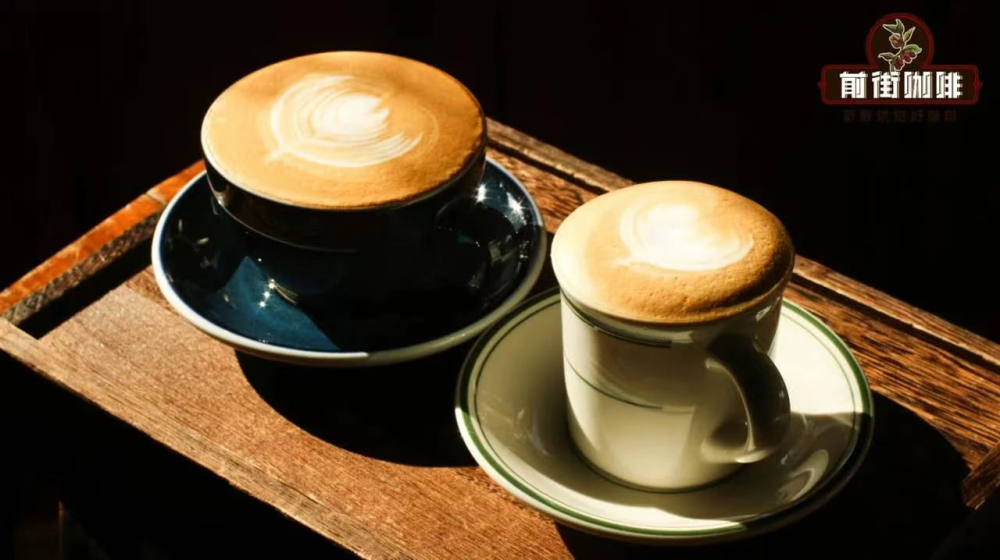
If you prefer a bold and full-bodied taste, dark-roasted blends are a common and solid choice. Some blends combine beans from regions such as Brazil, Indonesia, and Vietnam, using medium-dark to dark roasting methods to bring out rich caramel and chocolate notes, along with dense, velvety crema—making them suitable for both americanos and milk-based drinks. Moreover, these blends usually offer good value for money and are ideal for everyday use.
Some blends take a bright and fruity approach, such as those combining Costa Rican honey-processed beans, Ethiopian Yirgacheffe, and Colombian beans, delivering aromas of rose, strawberry taffy, and blueberries. With a balanced acidity and sweetness, and lingering notes of almond and caramel, these blends suit those who enjoy fruity profiles and can showcase rich layers with proper extraction parameters without being overly sharp.
Premium-grade blends often use beans from renowned regions such as Colombia’s Huila or Brazil’s Cerrado, which are known for their distinctive fruit acidity, sweetness, and full body. These blends typically yield roasted nut, cocoa, and maple-like flavors after extraction, with a sugarcane sweetness in the aftertaste. The overall mouthfeel is smooth and suitable for users who prefer less intense flavors, and they are also quite popular among specialty coffee shops.
If you want to replicate the common black coffee or latte flavors found in cafés at home, consider commercial-grade medium-dark roasted blends. These beans are usually a mix of major-producing regions like Brazil, Colombia, and Vietnam, and through a stable roasting curve, they deliver baked aromas and a rich taste with ample crema, making them suitable for daily consumption. Americanos made with them feature the intensity of dark chocolate and the warmth of toasted bread, while lattes have a smooth texture and a sweet aftertaste—making them an excellent choice for those seeking practicality and value.
No matter which flavor you prefer, it’s advisable to consider your brewing equipment (such as espresso machine pressure and grinder settings), daily drinking habits, and budget comprehensively. Also, remember to check the roast date of the beans and opt for those roasted within 2–4 weeks for optimal flavor. Proper storage methods (such as avoiding light, maintaining low oxygen, and preventing moisture) are also key to keeping your coffee fresh.
In summary, choosing the right espresso beans not only improves your chances of successful home brewing but also allows you to discover your own favorite flavor story in every cup of espresso. Whether you’re after a rich and steady profile, bright fruity notes, or a classic balance, you’ll find the perfect blend among the diverse options available.
The above content is compiled by CoffeeHunters, a coffee news website.


