








Introduction:For those who are just starting to explore coffee, choosing the right roast level is key to getting started. Medium-roast coffee beans offer a balanced acidity and sweetness with a smooth mouthfeel, making them suitable for various brewing methods while also showcasing the layered characteristics of the coffee itself. This article delves into the traits of the three common roast levels—light, medium, and dark—and features six medium-roast coffee beans with distinct flavor profiles, including Costa Rica Blackberry and Colombia Gesha, providing detailed flavor descriptions and processing method information to help you find your own entry-level flavor.
Before coffee beans become the familiar beverage we know, they must go through an indispensable process—roasting. This process not only gives coffee its unique color but also directly determines the direction of its flavor. The commonly seen roast levels on the market can be roughly divided into three main categories: light, medium, and dark, each with its own unique flavor characteristics and suitable brewing methods.
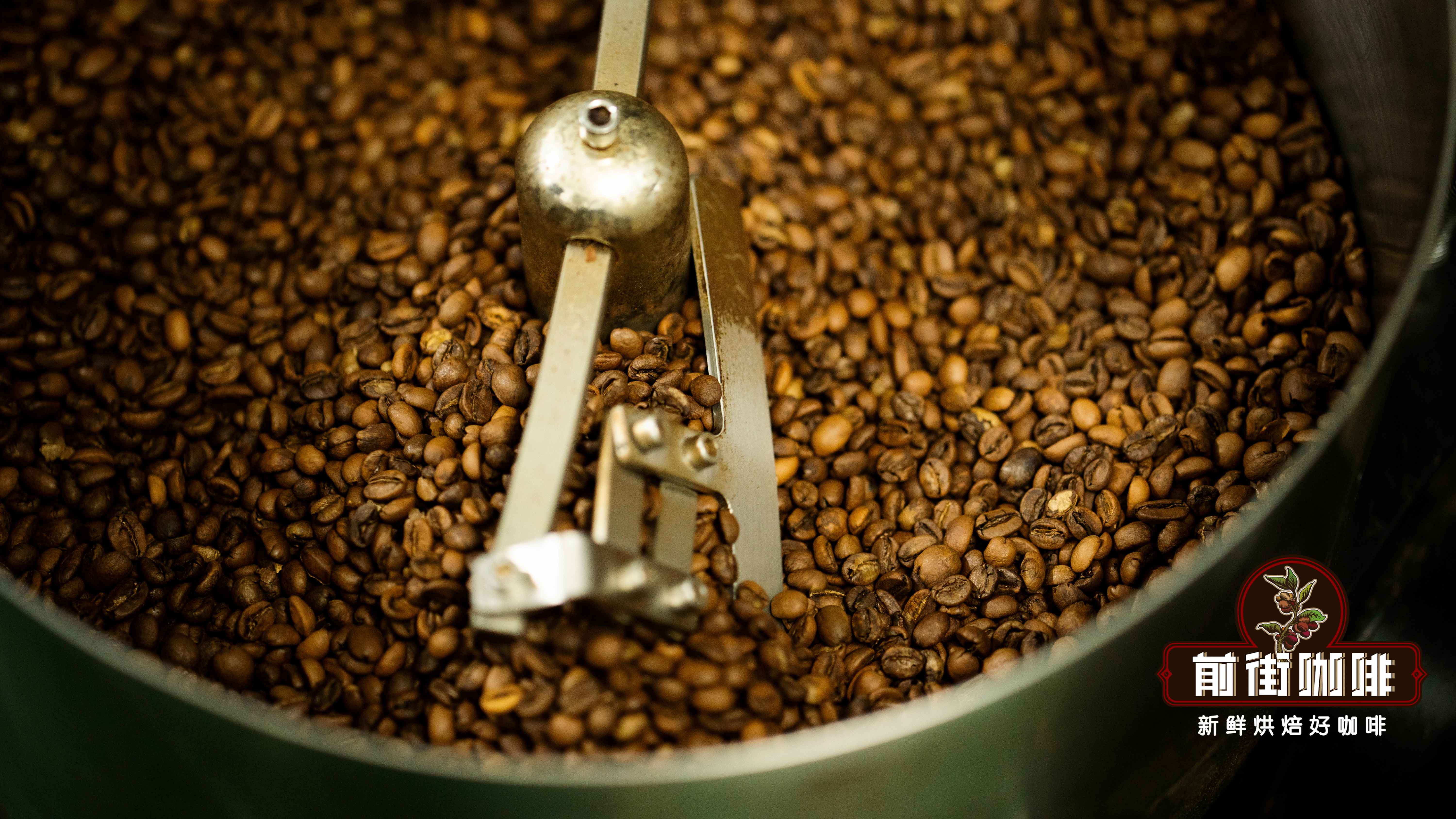
Among them,Medium Roaststands out as the top choice for many coffee beginners due to its well-balanced acidity and bitterness, mild taste, and wide applicability. Coffee beans roasted to this level have a uniform brown appearance, with less oil, offering both acidity and sweetness along with moderate bitterness. They perform well whether brewed using pour over, French press, moka pot, or espresso machines.
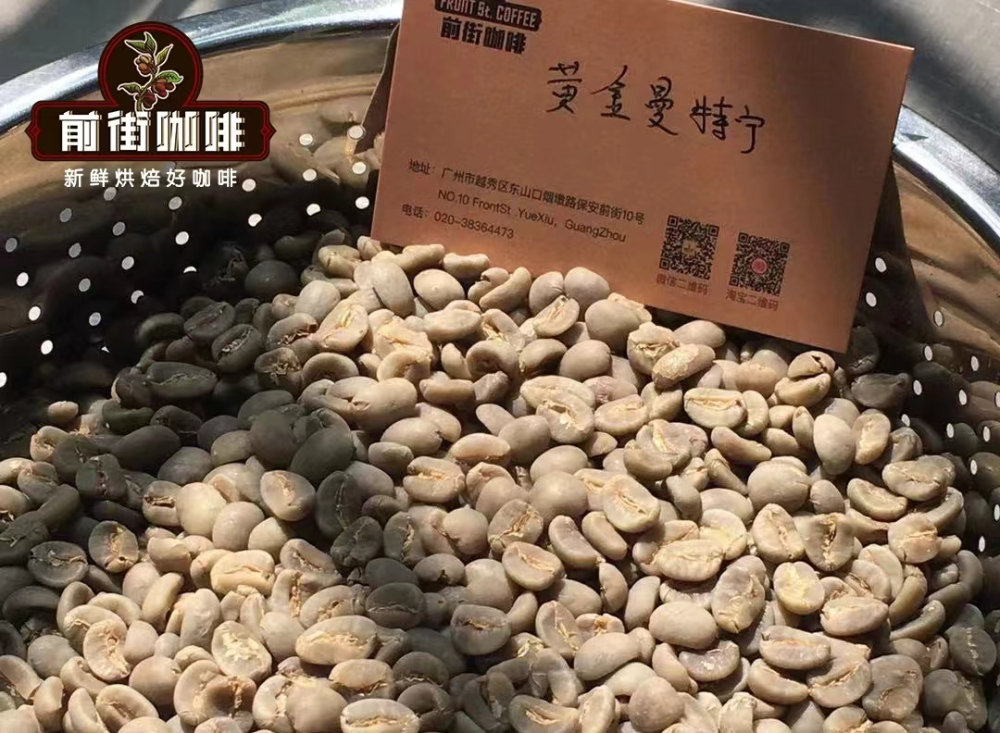
Green coffee beans themselves contain mostly fiber and chlorogenic acid, and without roasting, they possess almost none of the familiar coffee aroma or taste. During the roasting process, green beans gradually release aromatic molecules produced by the Maillard reaction and caramelization, transitioning from a grassy smell to an enticing coffee aroma while developing multi-layered flavor profiles such as fruit acidity, sweetness, and body.
Generally speaking, coffee roasting can be subdivided into seven stages, but the most mainstream in the consumer market remainLight Roast, Medium Roast, and Dark Roast. Light roast is usually taken out shortly after the first crack, with a lighter bean color, pronounced acidity, and fresh fruity notes, making it suitable for those who prefer a clean and bright taste, often enjoyed via pour over or drip bags. Dark roast, on the other hand, involves a longer roasting time, resulting in beans with shiny, dark brown surfaces and intense flavors with smoky and caramel notes, offering a rich and full-bodied profile that pairs well with milk or can be enjoyed black for a bold taste experience.
AndMedium Roastfalls between the two, typically roasted for a slightly longer time after the first crack. The beans exhibit a distinct brown color, with soft acidity, moderate sweetness, and slight bitterness. The overall mouthfeel is smooth and the flavor layers are clear, making it the preferred choice for most as an introductory option. Additionally, beans roasted to this level are highly versatile and perform well across various brewing methods, including pour over, French press, clever dripper, moka pot, and even espresso machines.
Below are six specially selected medium-roast coffee beans, each with unique flavor characteristics and processing methods, ideal for coffee beginners looking to explore different flavor profiles:
1. Costa Rica Blackberry — Processed using the black honey method, which retains nearly all of the fruit mucilage and extends the drying period to more than 14 days. The drying speed is controlled through shading to allow for full sugar conversion. The flavor profile includes grapes, berries, floral notes, and a hint of fermentation, with abundant sweetness and rich layers.
2. Colombia Gesha — Sourced from the Boundary Line Estate in the Huila region, grown at an altitude of approximately 1700 meters, using double anaerobic natural processing. This bean showcases intense passion fruit, grape, and preserved fruit aromas, with bright acidity reminiscent of mandarin orange, and a nutty almond finish. It’s a favorite among those who enjoy fruity profiles.
3. Costa Rica Mozart — Part of the Musician Series, this coffee offers distinct berry and fruit wine fermentation aromas. Upon tasting, you’ll notice flavors of raisins, sweet orange, and pineapple, with osmanthus and wine notes becoming more pronounced as the coffee cools, making it ideal for savoring its evolving complexity.
 4. PNG Paradise Bird — Sourced from Papua New Guinea, primarily planted with the Typica variety. Although Typica is less resistant to disease, the coffee it produces generally features elegant, clean, and balanced flavors. This coffee presents notes of toasted bread, nuts, sugarcane, butter, and chocolate, with a mild mouthfeel and clear layering.
5. 2013 Yunnan Typica — Yunnan, with its stable climate and abundant sunshine, is very suitable for growing Arabica coffee. This Typica, roasted to a medium level, exhibits a combined flavor of chocolate, dried apricot, brown sugar, and tea, with soft acidity and pronounced sweetness, making it ideal for those who prefer a mellow taste.
6. Honduras Washed Catuai — Honduran coffee is predominantly processed using the washed method, known for its stability and cleanliness. This Catuai, roasted to medium, delivers aromas of dark chocolate and nuts, with moderate sweetness and a long-lasting aftertaste, making it a reliable everyday drinking choice.
Whether you’re just starting to learn pour over or looking for a coffee bean suitable for daily drinking, medium roast is a recommended entry point. By understanding the characteristics of different regions and processing methods, you can delve deeper into the diverse charm of coffee and gradually develop your own coffee preferences.
The above content is compiled by CoffeeHunters, a coffee news website.


