







Introduction:Jamaican Blue Mountain coffee is hailed as the "King of Coffees," and its rarity and exceptional flavor have captivated coffee enthusiasts around the world. This article breaks down how to highlight its balanced nutty and dark cocoa taste through pour over brewing, from the history and terroir of Blue Mountain coffee, its stringent certification process, to the choice of medium-dark roast and practical use of the KONO dripper. Whether you’re new to Blue Mountain or an advanced enthusiast, you’ll gain useful brewing insights and flavor identification guidance.
Known as the "King of Coffees," Jamaican Blue Mountain coffee has long held its place at the pinnacle of global specialty coffee, thanks to its unique growing environment and rigorously controlled quality processes. From the introduction of Arabica in the 18th century to today’s annual output of only about 900 tons, every bean carries an essence of excellence. This article will take you step-by-step into this legendary coffee from the Caribbean’s blue ridges—from its historical origins and geographical conditions, strict grading, how medium-dark roasting highlights its balanced flavors, to hands-on pour over tips using the KONO dripper.
The history of Jamaican Blue Mountain coffee dates back to the early 18th century. In 1717, King Louis XV of France ordered the establishment of coffee plantations on the island. By the mid-1720s, then-Governor Sir Nicholas Lawes introduced Arabica seeds from Martinique and promoted their cultivation in the area of Saint Andrew. These coffee trees were later transplanted to the Blue Mountains, where they gradually differentiated by altitude and microclimate into different grades of coffee, including Jamaican Blue Mountain, High Mountain coffee, and regular Jamaican coffee—with Blue Mountain being the most valuable.
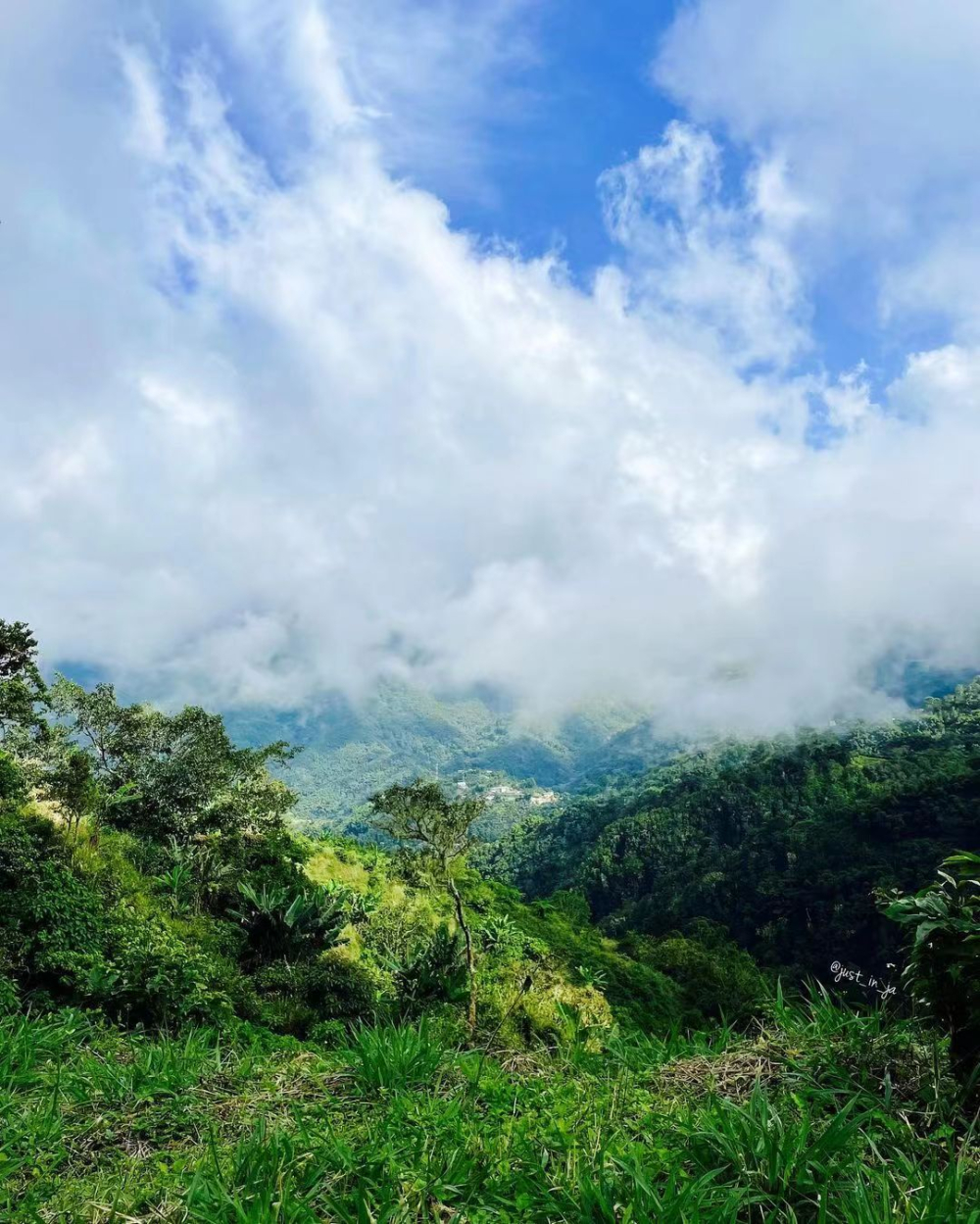
The Blue Mountains are located in the eastern part of Jamaica. Their name comes from the unique blue haze reflected by sunlight on the mountaintops and surrounding sea under clear skies. The highest peak of the mountain range reaches 2,256 meters, but only slopes between 910 and 1,700 meters are designated as the legal cultivation area for Blue Mountain coffee, with planting above 1,700 meters strictly prohibited. This region enjoys a foggy and humid climate with an average annual rainfall of nearly 2,000 mm, moderate day-night temperature variations, and mineral-rich volcanic soil—all contributing to the unique richness and finesse of Blue Mountain coffee.
According to the Jamaica Coffee Industry Board (CIB), only coffee grown between 910 and 1,700 meters above sea level, cultivated from the Typica variety, can be called "Jamaican Blue Mountain Coffee." Although the Typica variety is known for its elegant flavors, it is vulnerable to disease, yields low, and is grown in challenging high-altitude terrain—making both harvesting and management extremely labor-intensive, which is why Blue Mountain coffee remains so scarce. Currently, only less than 15% of all Jamaican coffee production qualifies officially as Blue Mountain grade, yielding about 900 tons per year.
Authentic Blue Mountain coffee beans are all processed via the washed method. Mature red cherries are handpicked with care, and their pulp and skin are quickly removed, with fermentation beginning within 12 hours. After the traditional washed fermentation process, the beans are moved to cement platforms for prolonged sun drying—a step that helps preserve and develop flavors more fully. Once the moisture content stabilizes between 11% and 13%, the beans are stored for aging for 2 to 3 months in warehouses where temperatures are controlled around 24–25°C and humidity is regulated with dehumidifiers to ensure optimal flavor development before export.
Before export, the green beans undergo secondary processing, including low-temperature hulling, polishing, removal of silverskin and defective beans, and manual screening by skilled workers—processing only about 75 pounds of green beans per day. Wooden basins are used during the whole process to reduce bean damage. Finally, the beans are sealed in Jamaica’s unique wooden barrels to ensure quality stability during transport. Prior to export, the Jamaica Coffee Industry Board (CIB) conducts batch-by-batch sampling inspections to ensure each batch meets official standards for flavor and quality.
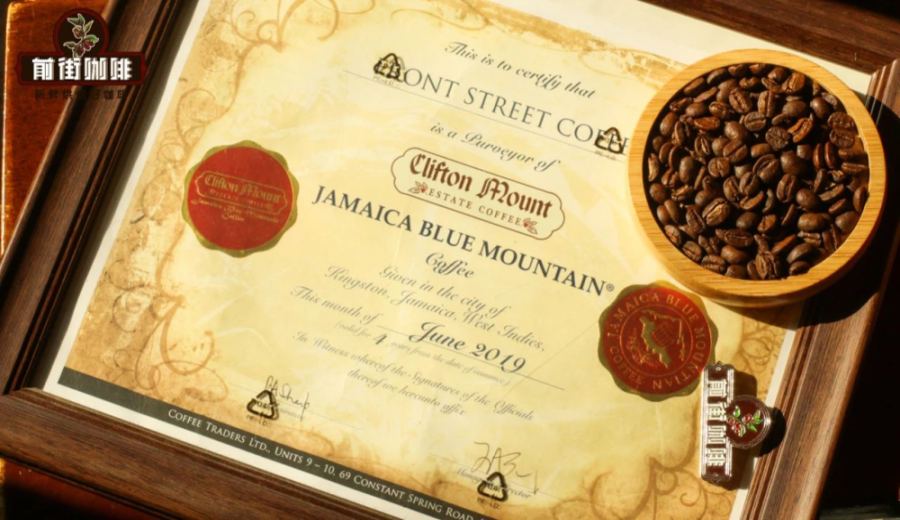
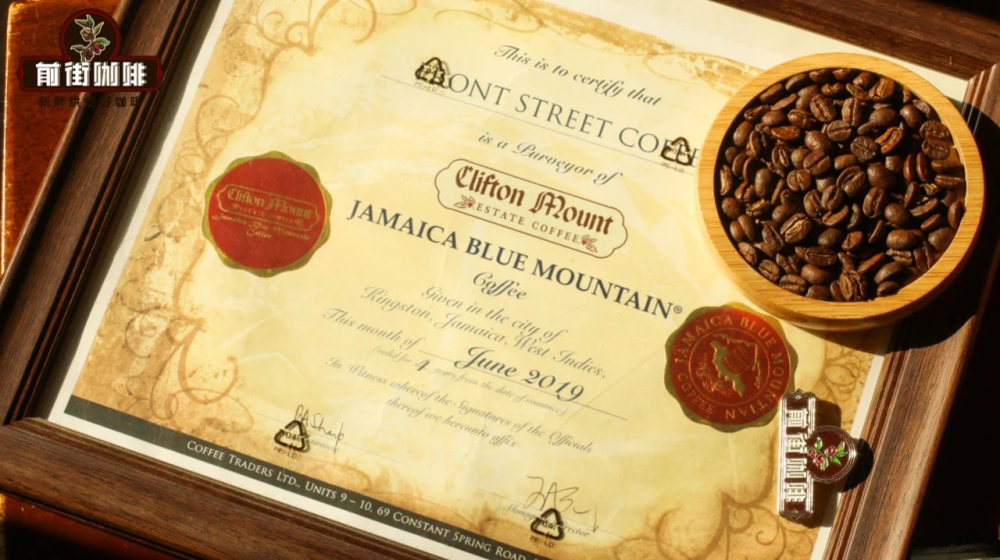
Jamaica is one of the few countries in the world that still ships coffee in wooden barrels, a tradition and also a mark of quality. Only after passing multiple CIB certification procedures—including flavor testing and origin verification—can coffee be officially certified as "Blue Mountain" and receive an official certificate. These certificates mainly fall into three categories: quality certification from the Jamaica Coffee Board, authorized sales certificates from the producing company, and certificates of origin—all of which are essential.
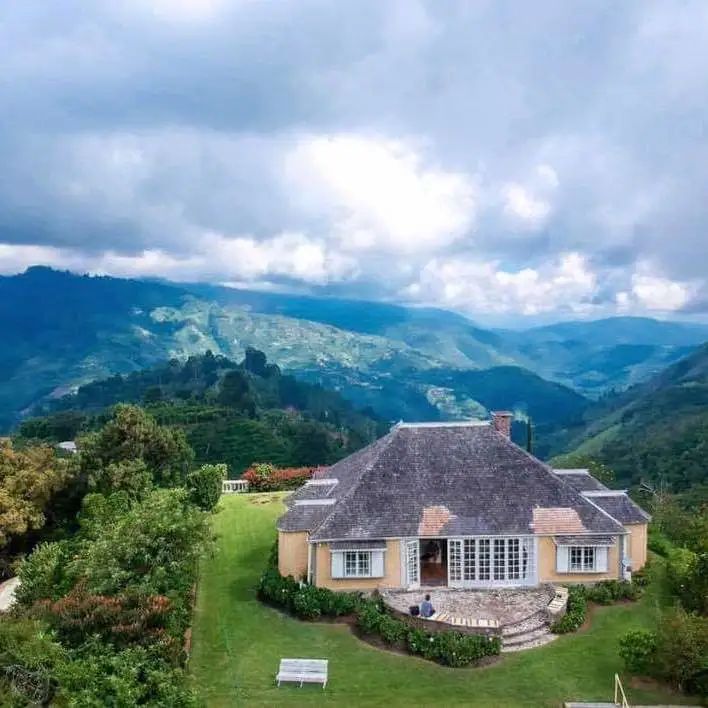
The four representative estates of Blue Mountain coffee include the Clifton Estate, Stoneham Estate, Mavis Bank Estate (Gold Cup), and RWS Coffee Estate. The Blue Mountain beans offered by this brand come from the Clifton Estate, which holds "Rainforest Alliance" certification. With a history of two hundred years, this estate is renowned for its balanced sweet and acidic profile, full body, smooth mouthfeel, and long-lasting finish—it’s an excellent choice for experiencing the classic flavors of Blue Mountain coffee.
In the past, the Jamaican government stipulated that Blue Mountain coffee could only be roasted locally. However, with advances in global logistics and roasting technologies, green beans can now be legally exported, allowing roasters worldwide to interpret Blue Mountain’s potential in their own styles. The roaster of this brand selected a medium-dark roast for the Blue Mountain beans to strike a balance between body and aroma. Using a Yang family 600N semi-direct-fire roaster and 500 grams of green beans as an example: the charge temperature was 165°C, with initial firepower at 130 and air vent at 3. The turnaround point occurred at around 1 minute and 32 seconds. Airflow and firepower were then adjusted gradually until the beans turned yellow and grassy notes faded, entering the first crack. The beans were dropped at 198.5°C, with total roasting time around 10 minutes—perfectly showcasing the rich nutty and dark cocoa tones of Blue Mountain coffee.
To experience the layers of Blue Mountain coffee at home through pour over, it is recommended to use the KONO dripper, with 15 grams of coffee, a 1:15 coffee-to-water ratio, and a medium-dark grind size passing about 75% through a 20-mesh Chinese standard sieve. Since freshly roasted beans still retain abundant gases, it’s advised to start with a 30-second bloom, followed by pouring 30 grams of hot water in a small center stream, then expanding to 125 grams. Once the water level drops, continue with circular pouring up to 225 grams, keeping the total extraction time around 2 minutes. Using water at 88°C can gently bring out the sweetness and body of Blue Mountain coffee, avoiding over-extraction or sharp acidity.
The resulting cup of Blue Mountain coffee brewed with the above method typically exhibits pronounced nutty aromas, a rich dark cocoa texture, well-balanced acidity, sweetness, and bitterness, along with a smooth mouthfeel and long-lasting finish. Whether you’re trying Blue Mountain for the first time or are already familiar with high-quality coffee, this brewing routine will help you fully appreciate the premium flavors from these blue mountain peaks.
The above content is compiled by CoffeeHunters, a coffee news website.


