







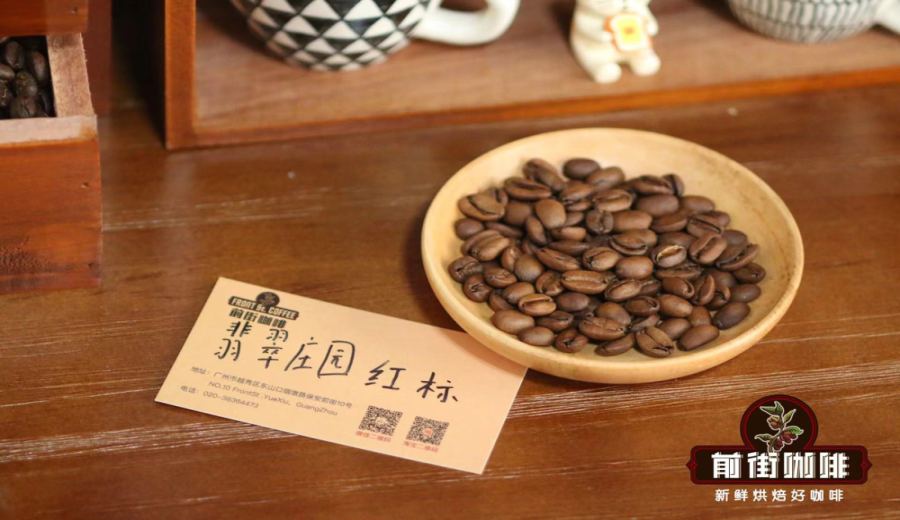
Introduction:Did you know? The globally popular Panamanian Geisha coffee actually originates from Ethiopia in Africa. After decades of wandering and obscurity, it finally shone brightly in the high-altitude mountain regions of Panama. This article will take you on an in-depth journey to explore the legendary origins of Geisha, its ideal growing environment, and the delicate floral-fruity aromas and citrus notes it showcases in cupping—helping you better understand the unique charm of this specialty coffee.
Geisha (also commonly spelled Gesha) is one of the most talked-about varieties in today’s specialty coffee market. This ancient Arabica variety, originating from Ethiopia, was long overlooked due to its low yield and unremarkable flavor profile. However, in 2004, it made a sensational debut at Panama’s Best of Panama competition, where its unique floral and citrus characteristics quickly propelled it into the ranks of top-tier coffees.
Geisha belongs to a variety branch under Arabica (Coffea arabica var. Geisha). In recent years, it has repeatedly won major international coffee tasting competitions and has also become a sought-after item in auction markets. Although its cultivation has gradually expanded, the truly high-quality Geisha remains quite rare due to its stringent environmental requirements.
This variety can be traced back to as early as 1931, when the British ambassador to Ethiopia collected a batch of fruits—possibly from different coffee trees—near a town called Geisha in the southwestern part of the country for botanical research. In 1932, these seeds were sent to the Kitale Experimental Station in Kenya under the names "Abyssinia" or "Geisha." Subsequently, in 1936, some seedlings were further distributed to experimental farms in Uganda and Tanzania. It wasn’t until the 1950s that these seeds finally arrived at CATIE Agricultural Research Center in Costa Rica, taking root in Central America for the first time.
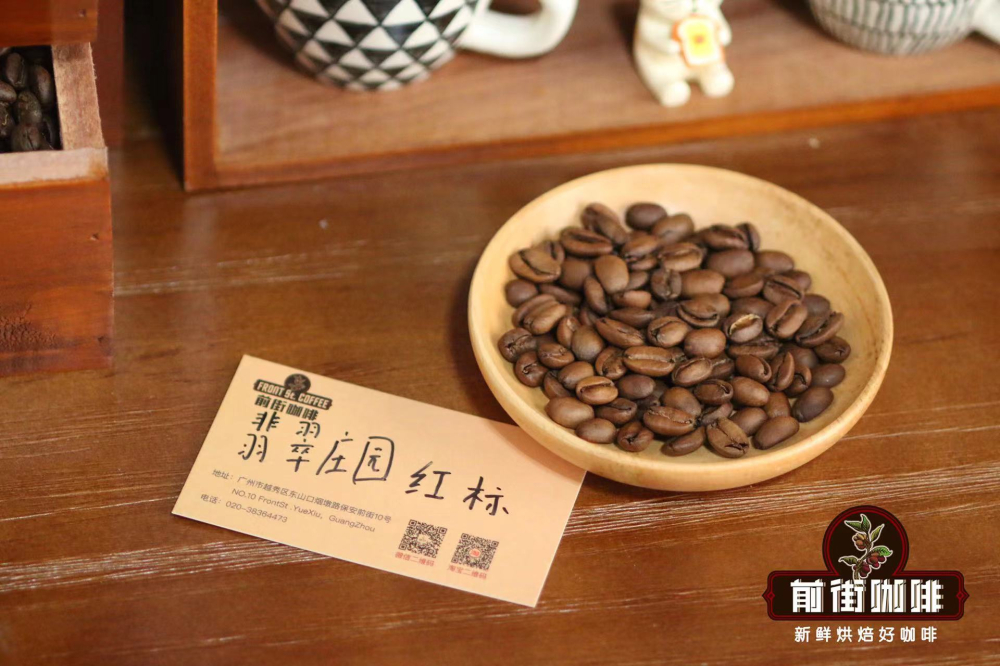
However, Geisha’s early development in Central America was not smooth sailing. Due to the relatively low altitude of cultivation at the time, its flavor potential could not be fully realized, and yields were also less than ideal. In 1963, Panama’s Don Pachi Serracin introduced the first batch of Geisha seeds from Costa Rica, but early cupping results were underwhelming, causing the variety to be used primarily in blends and remain overlooked for a long time.
The turning point came in 2004. That year, at Panama’s Best of Panama green coffee competition, a certain estate entered Geisha for the first time. With its ultimate floral aroma, bright acidity, and rich fruitiness, it defeated numerous competitors and won the championship. This historic performance instantly catapulted Geisha to fame, making it a legendary variety in the specialty coffee world.
Geisha is extremely particular about its growing environment, with the ideal cultivation altitude being 1500 meters above sea level. The large diurnal temperature variation and abundant sunlight at high altitudes help the coffee cherries ripen slowly, accumulating richer flavor compounds. Additionally, Geisha exhibits certain resistance to leaf rust and certain fungal diseases (such as Ojo de Gallo), which is one of the key reasons it can be stably produced in high-altitude regions like Panama.
Although Geisha has a relatively low yield per unit, its high market price has made it a viable option for many Central and South American coffee farmers to increase their income. Especially in high-altitude areas, Geisha can showcase a flavor profile distinctly different from typical Latin American coffees—less heavy chocolate and caramel notes, replaced by delicate florals, bright citrus, honey-like sweetness, and a soft body.
In professional cuppings, Geisha often exhibits soft yet persistent floral notes, with aroma layers reminiscent of jasmine, white tea, and white flowers. Its acidity is refined and not sharp, with a bright sensation akin to the freshness of white wine. The flavor profile is rich, with common fruit notes including mango, papaya, passionfruit, and orange, while the aftertaste often carries lingering hints of bergamot and honey. The overall performance is highly layered and dynamic.
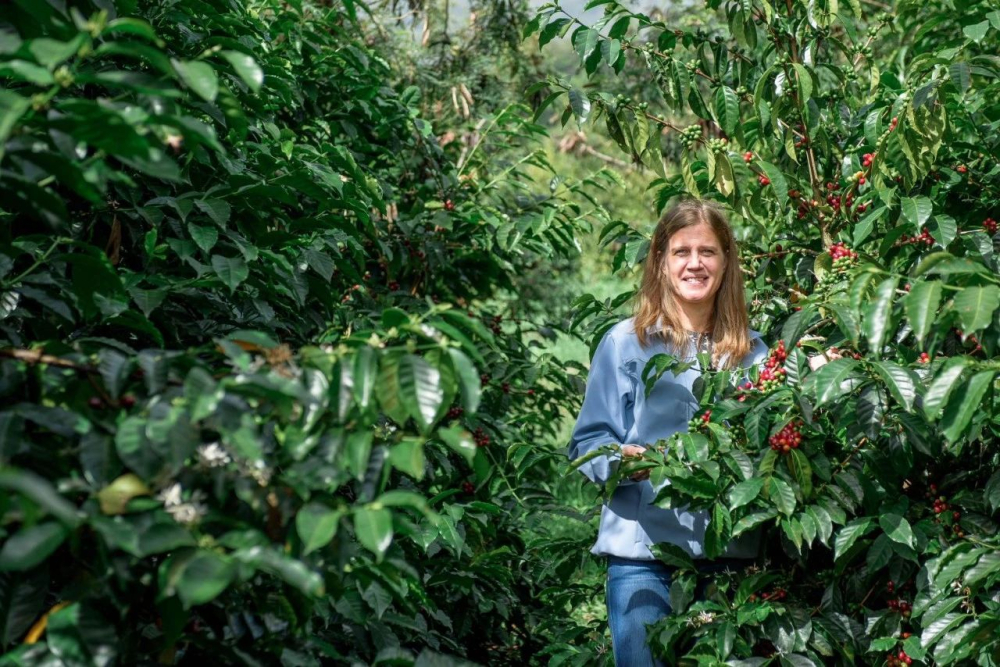
If you wish to personally experience the unique charm of Geisha, it is recommended to choose beans from renowned Panamanian estates such as Geisha Vineyard or Hacienda Esmeralda, or from high-altitude regions in Costa Rica. For brewing, a light to medium roast is advised to better preserve its original flavors. The optimal brewing water temperature is recommended to be controlled at 90~92°C, using a medium-fine grind (such as a medium-fine setting for pour over), paired with a moderate coffee-to-water ratio (e.g., 1:15), which helps highlight its floral and citrus dominant notes.
In summary, Geisha is not just a coffee variety—it is a decades-spanning, cross-continental coffee legend. From a small Ethiopian town to the high mountains of Panama, it has achieved its prestigious status in today’s specialty coffee scene through its unique flavors and resilient adaptability.
The above content is compiled by CoffeeHunters, a coffee news website.


