







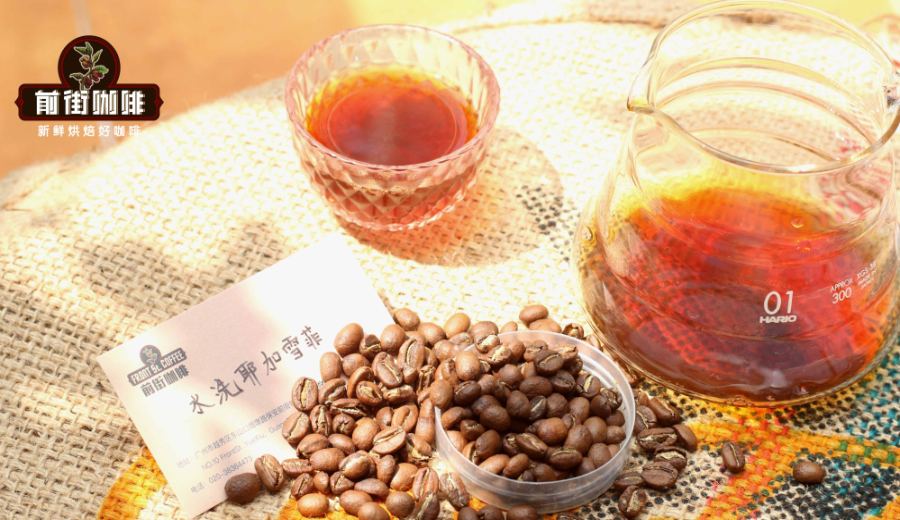
Introduction:As one of the top choices for specialty coffee beginners, the flavor differences between Yirgacheffe’s natural and washed processing methods often leave newcomers hesitating. This article delves into two top-grade Ethiopian Yirgacheffe G1 beans—the Natural Red Cherry and the Washed Guji Ding Ding—exploring their growing altitudes, processing techniques, and flavor profiles to help readers understand their unique characteristics. It also provides practical brewing recommendations for pour over, cold brew, and more, ensuring that whether you prefer intense fruity notes or bright citrus tones, you’ll find the right option.
Yirgacheffe coffee, with its distinctive bright acidity and clean flavor profile, is often the starting point for many coffee newcomers exploring the specialty world. Among these, the natural and washed processing methods create distinctly different taste experiences. This article takes two classic Ethiopian Yirgacheffe G1 beans—the Natural Red Cherry and the Washed Guji Ding Ding—as examples, guiding you through their origin backgrounds, processing details, and flavor features, along with practical pour over and cold brew suggestions.
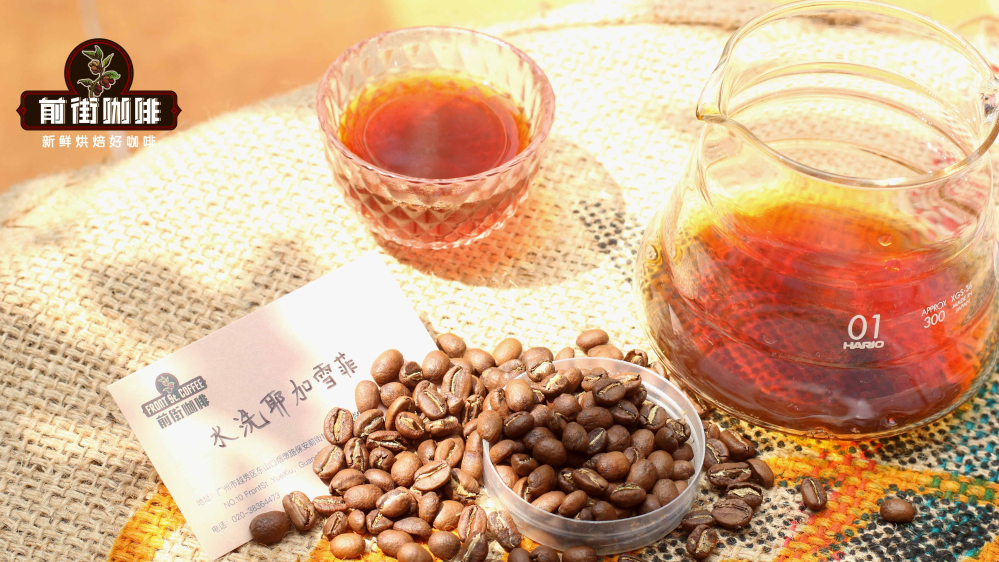
Ethiopia grades its green coffee beans primarily based on the ratio of defective beans, while also considering cupping performance and appearance. The lower the number, the higher the quality. Both the Natural Red Cherry and Washed Guji Ding Ding belong to the highest-grade G1, while the Washed G2 is a step down, suitable for budget-conscious consumers who still want to experience the flavors of Yirgacheffe.
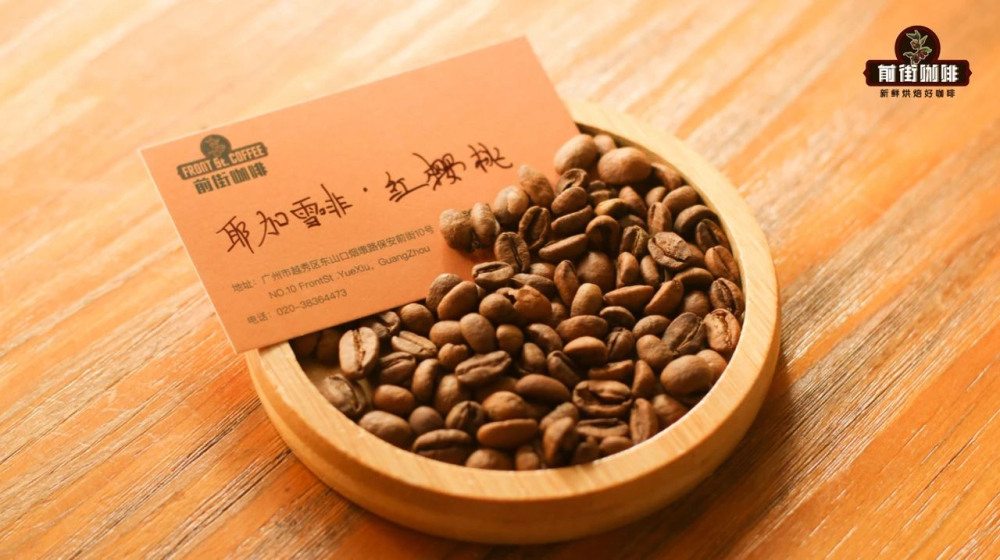
Natural Red Cherry G1: Representative of Intense Fruit Aroma and Fermentation Layers
Sourced from Ethiopia’s Yirgacheffe region, the Natural Red Cherry is produced by the renowned local processor Alteeren. Grown at an altitude of about 2,300 meters using native Ethiopian coffee varieties, it undergoes traditional natural processing. This method involves drying the entire coffee cherry—with its pulp intact—on raised beds to avoid ground contact and prevent overexposure to sunlight, taking over two weeks until the fruit turns deep brown. Only then are the beans removed from the dried pulp. This process imparts rich berry notes, subtle floral aromas, lemon, strawberry, and mild fermentation scents. The flavor is round with natural sweetness, and the finish occasionally hints at light fermentation notes.
Recommended brewing methods include pour over, cold brew, drip bags, French press, or siphon, all of which can fully highlight its abundant fruitiness and full-bodied mouthfeel. While natural processing may be slightly less clean than washed, it delivers outstanding sweetness, softer acidity, greater body, and is ideal for those who enjoy mature fruit profiles.
Washed Guji Ding Ding G1: A Model of Fresh Citrus and Delicate Floral Notes
The Washed Guji Ding Ding comes from the Guji Ding Ding cooperative in the Yirgacheffe region, grown at an altitude of approximately 2,000 to 2,100 meters. It also uses native varieties but is processed via the washed method. This technique involves carefully sorting and washing the coffee cherries to remove the skin and mucilage, followed by fermentation and washing stages, and finally slow drying on raised beds. Each step is precisely controlled to ensure the purity and consistency of the final flavor.
This washed bean showcases the most iconic Yirgacheffe characteristics: fresh citrus, jasmine, honey, and berry tones. The flavor is bright, layered, and distinctly tea-like, with a lingering aftertaste. It’s perfect for coffee lovers who appreciate a clean, refreshing taste and delicate aromas. Recommended brewing methods include pour over, cold brew, or drip bags, which can fully present its elegant citrus and white floral notes.
Natural vs. Washed: How Processing Methods Influence Flavor
Natural processing is the most traditional coffee method, where the fruit pulp is left intact during fermentation, imparting deeper sweetness and fruitiness. However, it can be more challenging in terms of cleanliness and consistency. Washed processing, originating in Central and South America, focuses on removing the pulp and mucilage to yield a cleaner, brighter acidity, particularly highlighting citrus and floral tones, resulting in a more balanced and clean overall cup.
For beginners, if you prefer a sweet, fruity, and full-bodied coffee, the Natural Red Cherry is an excellent choice. If you lean toward a clean, delicate, and bright-acidic drink, start with the Washed Guji Ding Ding.
Practical Pour Over and Cold Brew Brewing Parameter Suggestions
For pour over, a recommended coffee-to-water ratio is about 1:15 to 1:16, with water temperature controlled at 90–93°C and grind size between medium-fine and medium (similar to extra fine sugar or fine white sugar). Natural beans can have a slightly longer bloom time to enhance sweetness, while washed beans benefit from a quicker bloom to accentuate acidity and floral notes.
For cold brew, use a coarse grind with a coffee-to-water ratio of about 1:12 to 1:13. Steep in cold water for 12–16 hours in the refrigerator to highlight the beans’ inherent fruitiness and full body, making it especially suitable for summer enjoyment.
No matter which bean you choose, you can fine-tune the parameters to your personal taste and find the perfect cup of Yirgacheffe black coffee that suits you best.
The above content is compiled by CoffeeHunters, a coffee news website.


