







Introduction:On a hot summer day, a refreshing Yirgacheffe cold brew is the go-to choice for many coffee enthusiasts. This article delves into the unique flavor profiles of two classic processing methods from the Yirgacheffe region—natural Red Cherry and washed Guji Diding—breaking down their fruitiness, acidity structure, and sweetness characteristics one by one. It also provides a detailed cold brew tutorial, including precise coffee-to-water ratios, grind size recommendations, and steeping time guidelines to help you easily master the art of making balanced, rich, and fruity cold brew at home.
When temperatures soar above 25°C, cool and refreshing iced coffee becomes a daily essential for many, and among the various at-home options, cold brew stands out at the top of the popularity list thanks to its simple equipment and low barrier to entry. All you need is fresh, high-quality coffee beans and to follow the correct steps for low-temperature, long-duration extraction to consistently achieve layered coffee flavors. This article focuses on Ethiopia’s renowned Yirgacheffe region, comparing two representative processed coffee beans—naturally processed Red Cherry and washed processed Guji Diding—to analyze their distinct flavor directions. Using an actual cold brew process as an example, it offers a step-by-step guide covering bean selection, grind coarseness, coffee-to-water ratio, and refrigeration time, enabling even beginners to effortlessly create an ideally balanced cold brew with sweet and sour harmony and a refreshing mouthfeel.
As summer arrives, many coffee drinkers begin seeking chilled beverage options that bring a sense of coolness, and among them, cold brew has become the most popular choice for homemade drinks due to its uncomplicated process and lack of need for specialized equipment. Compared to traditional hot brewing methods, cold brew effectively reduces the release of bitter substances through extended low-temperature extraction while highlighting the inherent fruit and floral notes of the coffee—making it especially well-suited to Yirgacheffe beans, which are known for their bright citrus and berry flavors.
If you’re new to cold brew, it’s recommended to start with medium-to-light roasted beans from the Yirgacheffe region, where coffee is grown in high-altitude mountain areas and naturally boasts vibrant acidity and rich layers of fruitiness. Take the well-known town of Yirgacheffe, for example—it is further divided into several distinctive villages and cooperatives, each producing unique coffee flavor profiles due to differences in processing techniques and microclimates. Among these, the washed Guji Diding cooperative produces beans that are a typical representation of Yirgacheffe’s classic floral and fruity character.
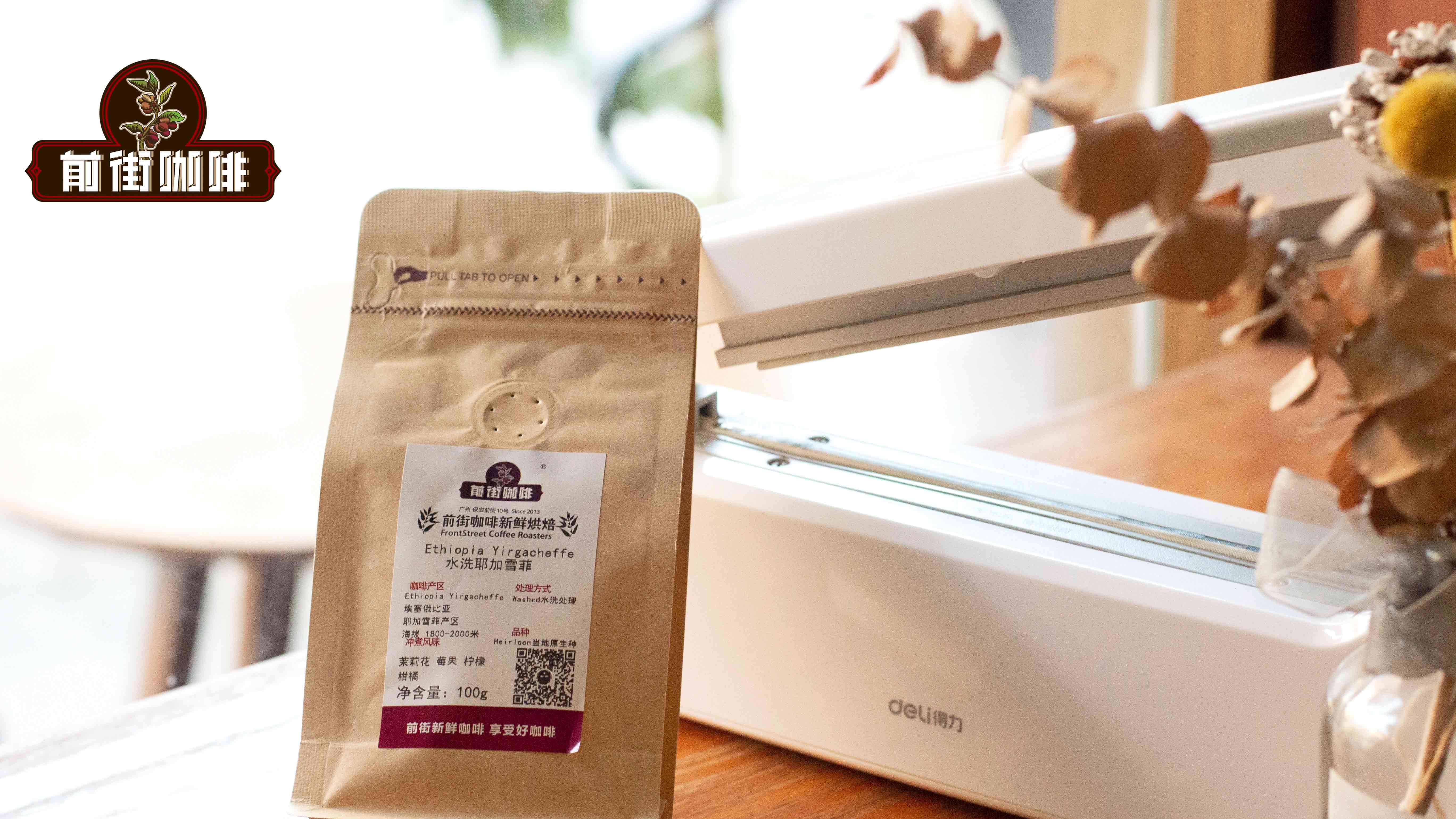
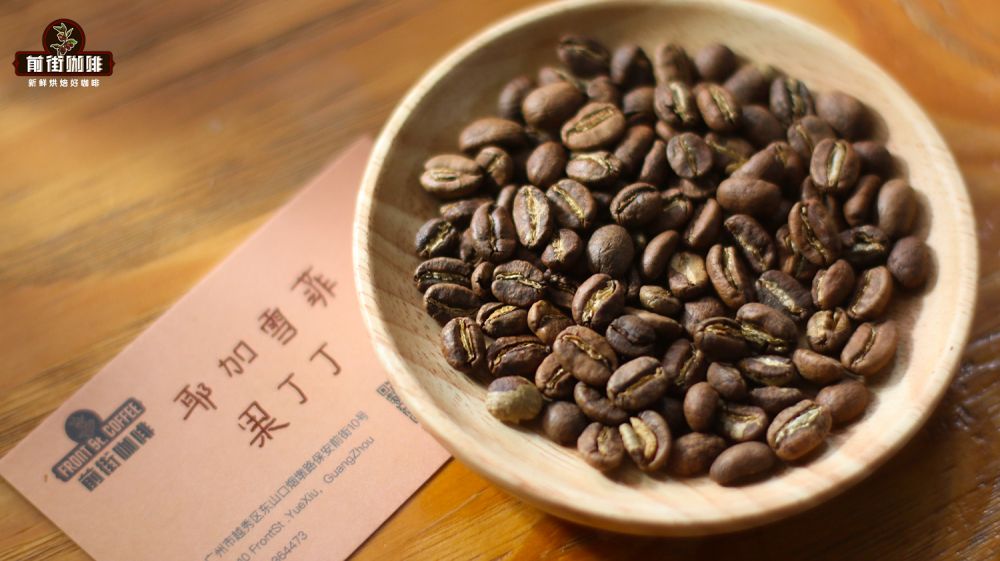
The washed Guji Diding coffee beans from Ethiopia’s Yirgacheffe region, grown at an altitude of about 1,900 to 2,300 meters, use local native coffee varieties and are processed through a refined washed method that removes the fruit mucilage, preserving the pure essence of the beans. With a medium-to-light roast level, this bean offers a refreshing aroma of passionfruit, citrus, and berries. The first sip reveals a lively citrus-like acidity, followed by the natural sweetness of berries gradually emerging, with an aftertaste that carries notes of almond and subtle tea, complemented by a touch of honey-like gentle sweetness. Its overall body is relatively light, with bright and clear acidity, a clean mouthfeel, and no off-flavors—making it highly suitable for making iced cold brew, perfectly showcasing its refreshing flavor characteristics.
Another noteworthy classic is the naturally processed Red Cherry coffee beans, also from the Yirgacheffe region. However, by placing ripe coffee cherries directly under the sun for natural drying, this method allows the sugars and fermentation microbes in the fruit pulp to interact fully, resulting in richer and more complex flavor layers. Compared to the washed version, the naturally processed Red Cherry not only retains the fresh fruitiness of berries and lemon but also adds the sweetness of strawberries and a distinct fermented wine aroma. The sweetness is more pronounced, the overall flavor profile is rounder and fuller, and it is ideal for coffee lovers who enjoy ripe fruit tones and lingering wine-like aftertastes.
[Brand]. Ethiopian Washed Guji Diding Coffee Beans
Country: Ethiopia | Region: Yirgacheffe | Altitude: 1900-2300m | Variety: Local Native Varieties | Processing Method: Washed | Flavor: Jasmine, Green Tea, Cream, Honey, Berries, Citrus
[Brand]. Ethiopian Yirgacheffe Natural Red Cherry
Country: Ethiopia | Region: Yirgacheffe | Altitude: 2300m | Variety: Local Native Varieties | Processing Method: Natural | Flavor: Berries, Lemon, Strawberry, Fermented Wine Aroma
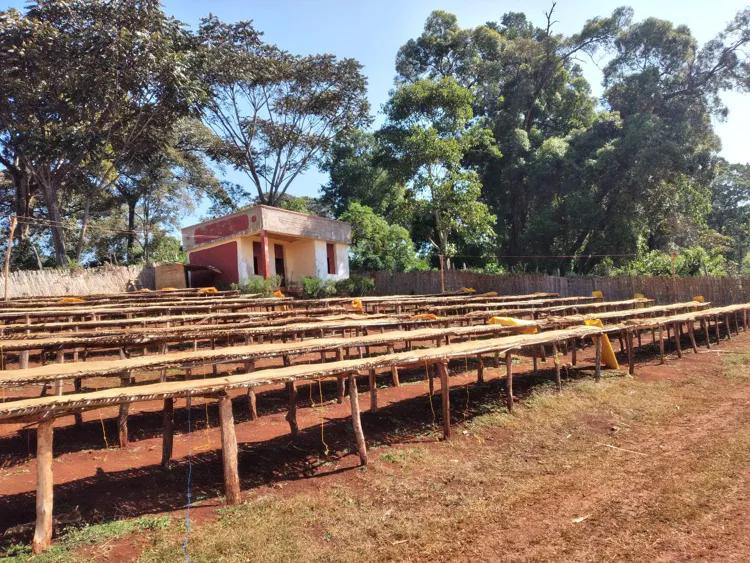
Making a delicious cup of Yirgacheffe cold brew at home is actually very simple—the key lies in choosing the right equipment and proper grind size. For equipment, all you need is a clean, airtight container—no special gear required. As for grind size, it’s recommended to aim for something similar to granulated sugar, akin to the standard used for pour over. If you don’t have a grinder at home, you can ask your local coffee shop to grind it for you or purchase pre-ground coffee powder directly. One thing to note is that coffee bean freshness greatly impacts cold brew flavor—opt for beans roasted within 5 days and buy them in whole bean form to ensure the best quality. If you need pre-ground coffee, be sure to specify “cold brew grind” when placing your order.
For actual preparation, it’s recommended to use 40 grams of Yirgacheffe coffee powder with 480 milliliters of room temperature or iced water, keeping the coffee-to-water ratio at the golden standard of 1:12. Stir the coffee powder and water thoroughly to ensure every coffee particle is in contact with the water, then pour the mixture into an airtight container and place it in the refrigerator’s cooling compartment for cold extraction. The suggested steeping time is 8 to 12 hours, adjustable slightly based on personal taste preference. Once the time is up, take out the mixture and filter it using a filter cup with filter paper or a high-density filter screen to remove the coffee grounds—your refreshing and sweet Yirgacheffe cold brew is ready.
The entire production process is straightforward, with low technical barriers and high fault tolerance—even first-timers can get the hang of it easily, consistently achieving the bright acidity and rich fruitiness characteristic of Yirgacheffe, making it an excellent choice for summer refreshment.
The above content is compiled by CoffeeHunters, a coffee news website.


