








Introduction:Berry acidity is one of the most distinctive flavor characteristics in specialty coffee. Regions such as Kenya, Rwanda, and Ethiopia often showcase bright berry notes due to favorable terroir and processing methods. This article selects three popular coffee beans, detailing their growing altitudes, varietal traits, as well as washed or natural processing techniques, and includes clear flavor profiles to help coffee enthusiasts find their ideal berry-forward beans for pour over brewing.
When it comes to the “berry” category in the coffee flavor wheel, many people first think of familiar fruits like strawberries and blueberries. However, this classification actually covers a much broader range. According to the SCA (Specialty Coffee Association) 2016 revised flavor wheel, berries include not only common fruits such as strawberry, blueberry, raspberry, and blackberry, but also extend to small, juicy fruits like mulberry and cranberry, with even blackcurrant falling into this group. These fruits share common traits such as soft flesh, thin skins, and evenly distributed seeds, resulting in flavor profiles that typically feature bright acidity and rich layers.
To experience berry acidity in coffee, it’s recommended to start with three classic origins: Kenya, Rwanda, and Ethiopia. These regions, with their high-altitude cultivation environments, unique microclimates, and traditional processing methods, can highlight the fresh and vibrant tones of berry flavors. Below are three well-regarded washed or natural beans on the market, accompanied by detailed parameters and flavor analyses to assist you in selecting the right berry-flavored coffee.

First up is the “Kenya Little Tomato Coffee Bean,” sourced from the Siika Asali washing station, grown at altitudes between 1500-1950 meters. It uses the renowned local SL28 and SL34 varieties and is processed via the K72 washed method. The standout feature of this bean is its uniquely vibrant berry acidity, with a flavor profile showcasing intense notes of cherry tomato, dark plum, and deep berries such as black plum. The finish brings sweet pear notes and caramel undertones, making it ideal for pour over lovers who enjoy a balanced sweet-and-acidic cup. For brewing, a medium-light roast is recommended, with water temperature controlled at 90-92°C and a brew ratio of 1:15, which effectively highlights the layers of berry and caramel.
The second recommendation is the “Rwanda Red Bourbon Coffee Bean,” grown in the South district of Shishike at elevations of 1500-1700 meters, using the classic Red Bourbon variety. Processed with the washed method, this bean retains the gentle fruit acidity and full body characteristic of Red Bourbon. Its flavor profile is grounded in red berries (such as cherry and cranberry), complemented by citrus freshness, nuttiness, and subtle green tea notes. The finish offers a hint of apricot sweetness. Overall, the flavor is refreshing yet layered, making it suitable for beginner coffee drinkers who prefer softer fruit acidity. For brewing, it’s suggested to slightly lower the water temperature to 88-90°C with a brew ratio of 1:16, which enhances the harmony between berry and nut flavors.
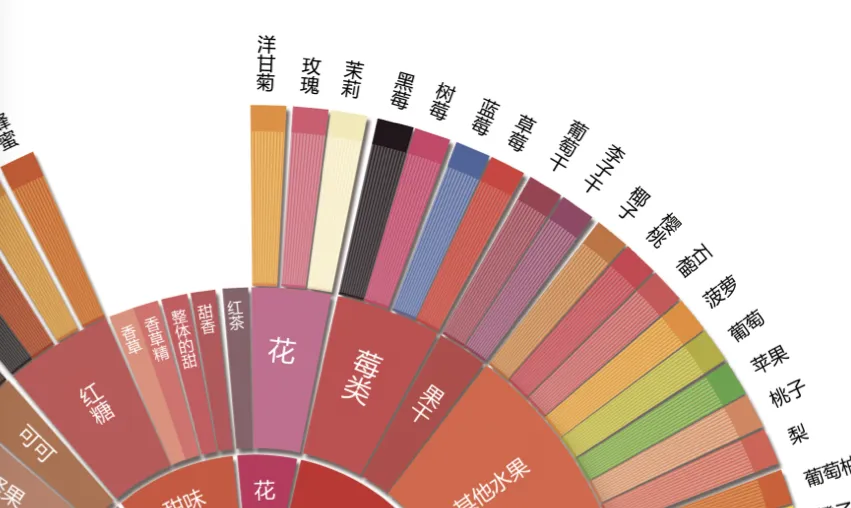
Finally, we recommend the “Ethiopia Huacai Coffee Bean,” sourced from the Buku washing station in the Guji region’s Hambela area, grown at altitudes as high as 2100-2300 meters. It uses Ethiopian native varieties and is processed via the natural (sun-dried) method. The high-altitude environment imparts the beans with rich sugar content and fruity potential, while the natural process further intensifies the flavors of berries and tropical fruits. This bean features a flavor profile led by bright notes of strawberry cream and orange, paired with tropical fruits like guava and mango, along with hints of black tea aroma. The overall profile is rich and sweet, with soft yet lively acidity, making it suitable for those who enjoy fruit-forward espresso or pour over experiences. Recommended brewing parameters are 92-94°C water temperature and a 1:14 brew ratio, which accentuate the intensity of the natural berry flavors.
In summary, berry-flavored coffee beans are not limited to those literally named after “berries,” but encompass a whole category of fruits sharing similar flesh and seed characteristics. Through classic origins like Kenya, Rwanda, and Ethiopia, paired with appropriate washed or natural processing methods, the diverse expressions of berry acidity can be fully revealed. Whether you’re a seasoned pour over enthusiast seeking sweet-and-acidic balance or a newcomer just starting out, the three recommended beans above provide clear parameters and flavor guidance to help you easily discover your ideal berry-flavored coffee experience.
The above content is compiled by CoffeeHunters, a coffee news website.


