








Introduction:Kenyan coffee is renowned for its strict grading system and distinctive fruity acidity, with grades such as AA, AB, and PB being the most popular in the market. This article delves into the size-based grading standards of Kenyan coffee beans, from the AA grade (17 mesh and above) to the peaberry PB, and explains the criteria for flavor ratings such as TOP and PLUS. It also shares practical roasting examples and pour over recommendations for the Kenyan Assalya beans, helping coffee enthusiasts master everything from bean selection to brewing.
Kenyan coffee holds a notable place in the global specialty coffee market thanks to its bright, clean acidity and complex fruit aromas. Behind this is a long-established and highly rigorous grading system that evaluates beans not only by size but also by cupping performance. Understanding this grading system helps consumers make more accurate purchasing decisions and better anticipate the flavor profile after brewing.

The grading of Kenyan coffee beans dates back to the 1930s and is primarily based on the size, appearance, and hardness of green beans. From highest to lowest, common grades include AA (or AA+), AB, PB, C, E, TT, and T. Among these, AA and AB are the two most mainstream grades and are often the first choices for many coffee lovers trying Kenyan coffee.
The so-called AA grade refers to green beans with a screen size of 17 mesh (approximately 6.75 mm) or above, typically 17 and 18 mesh, representing larger-sized, high-quality beans. AA+ refers to AA-grade beans with exceptionally outstanding cupping performance. In addition to meeting size criteria, they achieve higher standards in flavor, sweetness-acidity balance, and body. The AB grade is slightly smaller, corresponding to 15 and 16 mesh. Although marginally smaller in size, it is widely favored in the market for its cost-effectiveness. PB stands for peaberry, a natural mutation of the coffee bean that occurs rarely. Its grading is assessed individually regardless of size, based on its unique characteristics rather than being tied directly to standard size grades.
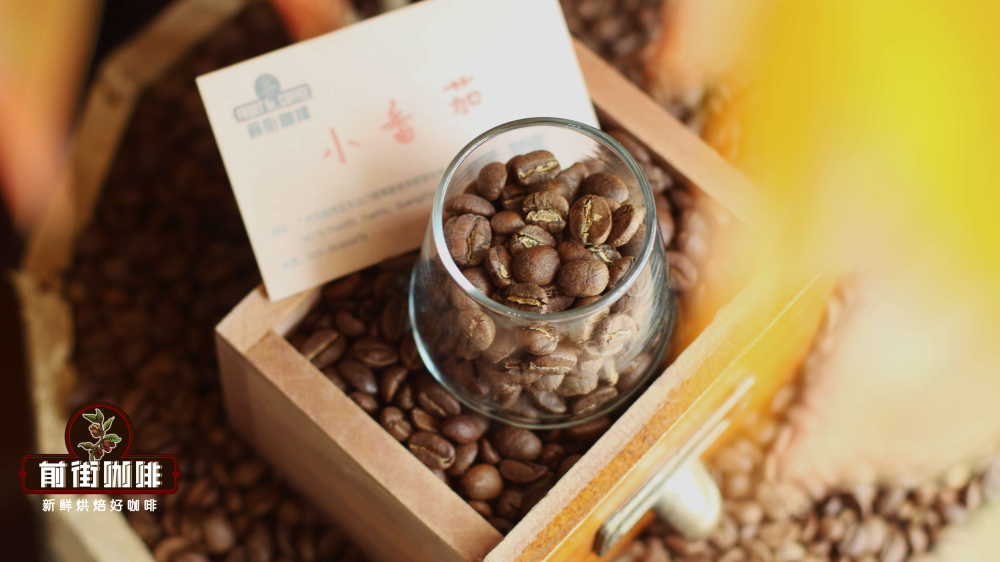
In addition to size grading, Kenya also has a flavor quality evaluation system, including TOP, PLUS, and FAQ grades. This scoring mechanism takes into account not just bean size, but also factors such as the appearance of green beans (e.g., color, defect rate), the condition of roasted beans, and cupping results—with particular focus on three aspects: acidity, body, and flavor. In practice, a simple 1 to 3 scoring system is often used. For example, a score of 1-1-1 indicates outstanding acidity, rich mouthfeel, and complex flavors, usually classifying the bean as TOP AA grade.
Taking an actual roasting example, a washed Kenyan coffee bean from the Thika region, using the SL28 and SL34 varieties and processed with Kenya’s signature 72-hour fermented washed method, often exhibits highly distinctive berry and black plum-like acidity when roasted to a light-to-medium level, accompanied by a clear juiciness and sweet aftertaste. Such beans are ideal for coffee drinkers who enjoy bright fruit acidity and layered flavors, and are a top choice for many pour over enthusiasts.
For brewing parameter settings, for this type of light-roasted Kenyan AA-grade bean, it is recommended to use a V60 filter to highlight its vibrant acidic notes. Practical suggestions include: a brew ratio of 1:15, using 15 grams of coffee, with water temperature controlled around 91°C, and a grind size passing through a 20-mesh sieve at about 80%. This setup helps fully release the bean’s fruit acids and aroma while avoiding over-extraction.
For specific brewing technique, a three-stage pouring method is advised. The first stage involves pouring 30 grams of water for a 30-second bloom to initiate extraction; the second stage uses circular pouring to add 125 grams of water, and when the water level is about to expose the coffee bed, pour the final 90 grams, reaching a total of 225 grams of water. The overall extraction time is approximately 2 minutes. This method stabilizes extraction efficiency and achieves optimal balance between acidity and sweetness.
Ultimately, in terms of flavor profile, this type of Kenyan AA-grade coffee typically presents pronounced black plum, cherry tomato, and berry-like acidity. The mid-palate offers a full-bodied sweetness with a juicy, smooth texture, while the aftertaste lingers with berry notes and a subtle green tea aroma, along with a gentle brown sugar sweetness. Whether as a morning pick-me-up or an afternoon focus drink, it delivers a richly layered taste experience.
The above content is compiled by CoffeeHunters, a coffee news website.


