







Introduction:Geisha coffee from Panama’s Hacienda Esmeralda is world-renowned for its unique floral and fruity aromas, but the differentiation between its Red Label, Green Label, and Blue Label tiers often causes confusion. This article delves into the origin sources, cupping standards, and flavor profiles of these three grades, while also exploring how varying altitudes and processing methods influence the expression of Geisha. It will help you choose the most suitable Geisha coffee beans based on your taste preferences.
Geisha coffee has long been hailed as the “pinnacle of specialty coffee,” celebrated for its delicate white floral notes, bright citrus tones, and rich layers of fruitiness. It has earned accolades in numerous coffee competitions and become the dream flavor for many specialty coffee enthusiasts. However, the Red Label, Green Label, and Blue Label Geisha offerings from Hacienda Esmeralda often leave consumers unsure of how to distinguish them. This article will start with the origins of Geisha, tracing how this variety made its way from the forests of Ethiopia to the high-altitude mountains of Panama, and will provide a detailed analysis of the grading logic, regional characteristics, and flavor expressions of the three tiers.
In 1931, the Geisha variety was first discovered in the wild forests of the Kaffa region in southern Ethiopia. A mountain in the area known as Geisha Mountain gave this variety its name. Initially, seeds from this discovery were sent to research institutions in various countries for trial planting, but they remained largely overlooked. It wasn’t until the 1960s that the predecessor of Hacienda Esmeralda in Panama began introducing the Geisha variety and planting it in the high-altitude Jaramillo region that its potential began to emerge. In 2004, Hacienda Esmeralda entered the Geisha under the name “Geisha” in the Best of Panama (BOP) competition and achieved instant fame, thereby establishing its status as the king of specialty coffee.
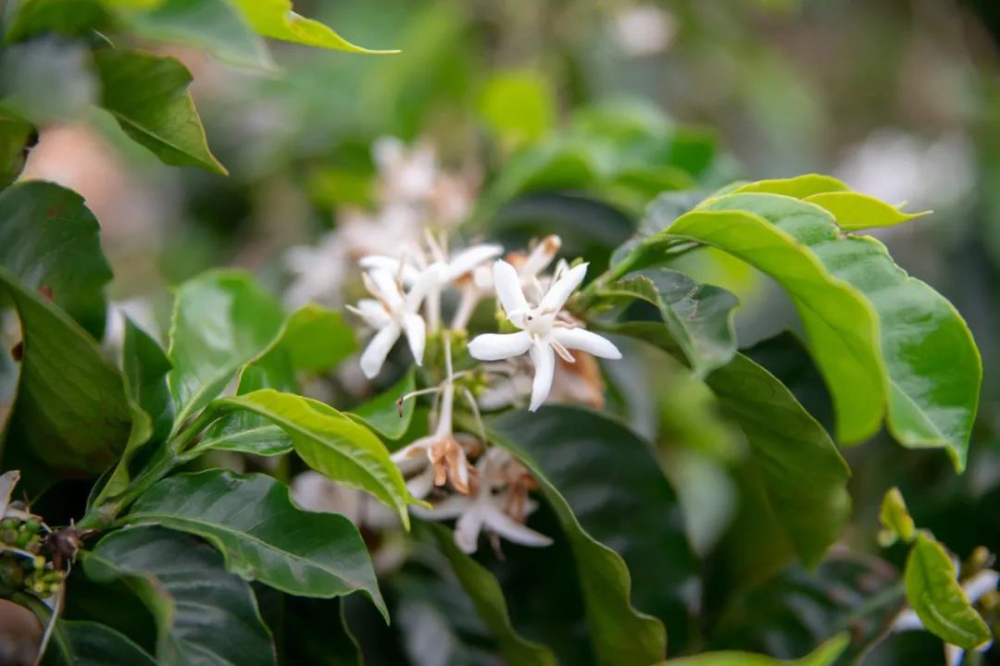
What makes Geisha truly unique is not only its distinctive aroma and balanced acidity and sweetness, but also its extreme environmental sensitivity. Compared to typical Arabica varieties, Geisha requires high altitudes, good drainage, and moderate shading. The plants grow slowly and yield very little, making the areas capable of producing high-quality Geisha even more precious. Particularly in Panama’s terrain and climate conditions, Geisha is able to showcase its ultimate flavor potential.
Based on altitude, microclimate, cupping results, and planting plots, Hacienda Esmeralda categorizes Geisha into three commercial grades: Red Label (Esmeralda Special), Green Label (Private Collection), and Blue Label (Geisha 1500). Each grade represents not only different origin sources but also directly reflects differences in flavor profiles and price ranges.
Red Label Geisha, also known as “Esmeralda Special,” is the flagship offering of Hacienda Esmeralda. These beans come exclusively from two plots: Jaramillo and Canas Verdes, grown at altitudes between 1600 and 1800 meters. They not only achieve exceptionally high cupping scores (typically above 90 points) but must also pass the estate’s internal independent auction selection process. It’s worth noting that non-auction versions of Red Label are also available on the market. Although not part of the auction, they come from the same premium plots and maintain top-tier quality. The most common processing method for Red Label Geisha is natural (sun-dried), which enhances its sweetness and fruity notes. Typical flavors include citrus, complex tropical fruits, rose tea, and honey—making it ideal for pour over enthusiasts who appreciate floral and fruity profiles.
Green Label Geisha, also known as “Private Collection,” while not part of the independent auction, still belongs to a high-quality micro-lot blend. These Geishas come from multiple plots at similar altitudes (1600–1800 meters), such as Jaramillo and Canas Verdes. However, because they are a blend of harvests from several small sections, specific detailed origin information is not usually indicated. Their flavor profile partially overlaps with the Red Label, often featuring floral notes, citrus acidity, melon, and berry tones. The processing method is mostly natural (sun-dried), offering a full-bodied taste and excellent cost-performance ratio. It’s highly suitable for consumers who want to experience classic Geisha flavors but have a more practical budget.
Blue Label Geisha, also known as “Geisha 1500,” originally referred to Geisha grown at altitudes between 1400 and 1500 meters, mostly from different plots under Hacienda Esmeralda’s three sub-farms, such as the El Velo plot. These beans are typically processed using the washed method, resulting in relatively refreshing flavors with more subtle notes like lemon, oolong tea, cane sugar, and peach. The body is slightly less full compared to the Red and Green Labels. It’s important to note that the Blue Label brand is gradually being replaced by “Volcanic Geisha,” which is also an export-oriented batch with similar flavor direction but featuring more distinct volcanic soil characteristics.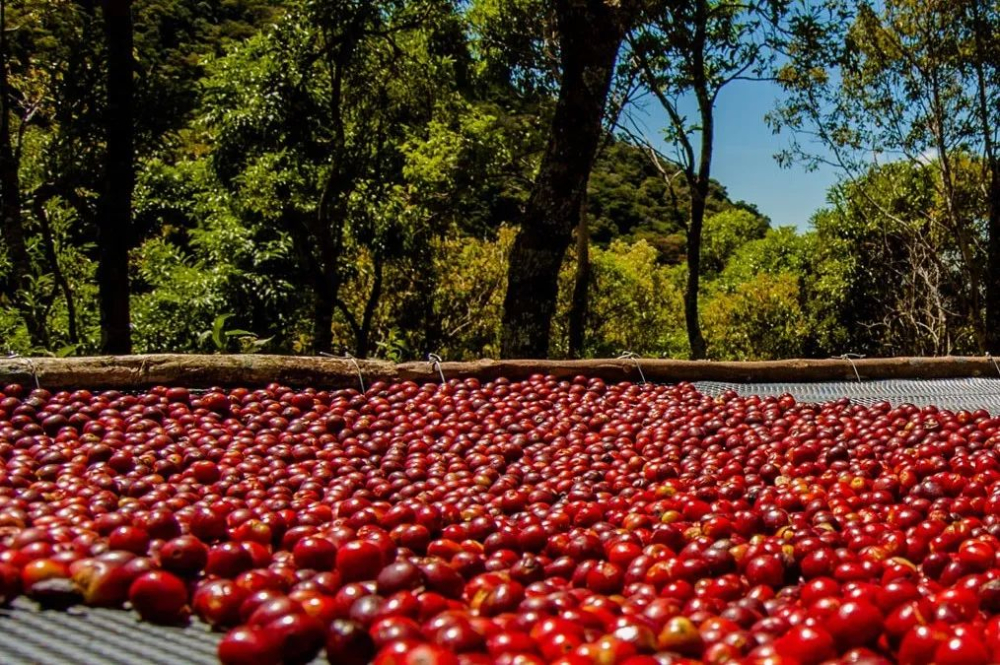
Hacienda Esmeralda’s growing regions can be subdivided into three core plots: Jaramillo, Canas Verdes, and El Velo. Jaramillo sits at an altitude of 1600–1700 meters, with a cool and stable climate and significant day-night temperature variation, serving as the main source for Red Label Geisha. Canas Verdes is at a slightly higher altitude of 1600–1800 meters, encompassing nine smaller plots that provide the diverse micro-lots needed for the Green Label. The El Velo plot is the newest expansion area, ranging from 1700 to 1900 meters in altitude. In addition to Geisha, it also experiments with various foreign varieties and may become a cradle for emerging specialty beans in the future.
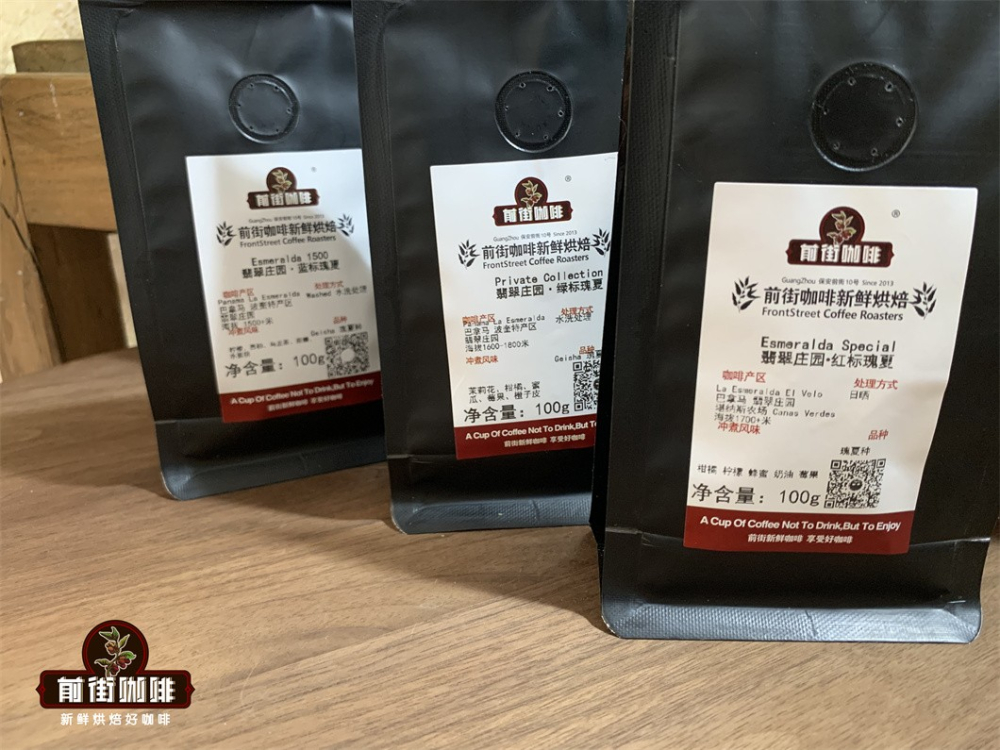
In summary, Red Label, Green Label, and Blue Label represent not just price differences but also distinct flavor experiences and origin selection logics. Red Label is characterized by auction-grade quality and ultimate floral and fruity aromas, ideal for coffee lovers pursuing the highest-end flavors. Green Label offers a high-cost-performance classic Geisha experience through blended micro-lots. Blue Label showcases fresh and subtle fruit acids and floral notes with lower altitudes and washed processing. Understanding the logic behind these grades will help you select the Geisha coffee beans that best match your taste and budget.
The above content is compiled by CoffeeHunters, a coffee news website.


