







Introduction:Kenyan coffee is globally renowned for its bright acidity and complex layers, with AA and AB grade beans being particularly popular in the specialty market. This article delves into Kenya’s coffee grading system, the characteristics of the SL28 and SL34 varieties, and how the K72 double washed process shapes its unique flavor profile. From regional growing environments to brewing recommendations, it provides a practical guide for bean selection and extraction.
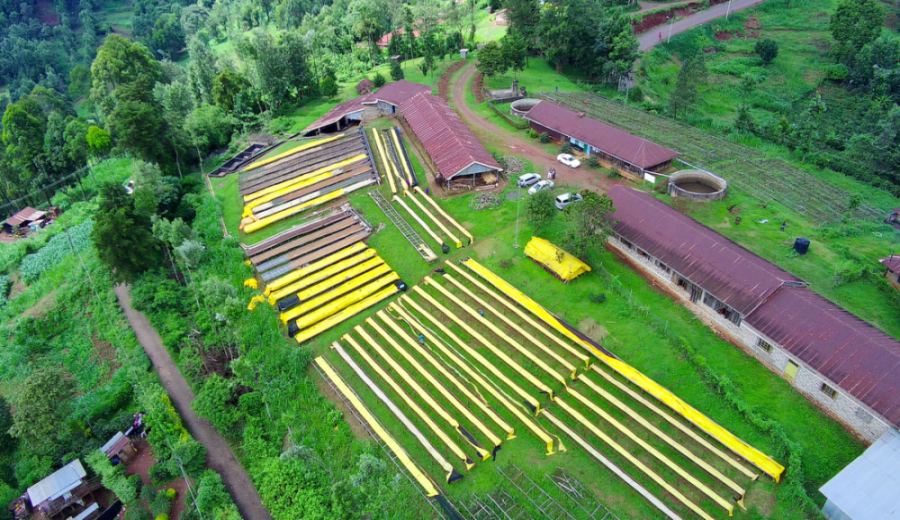
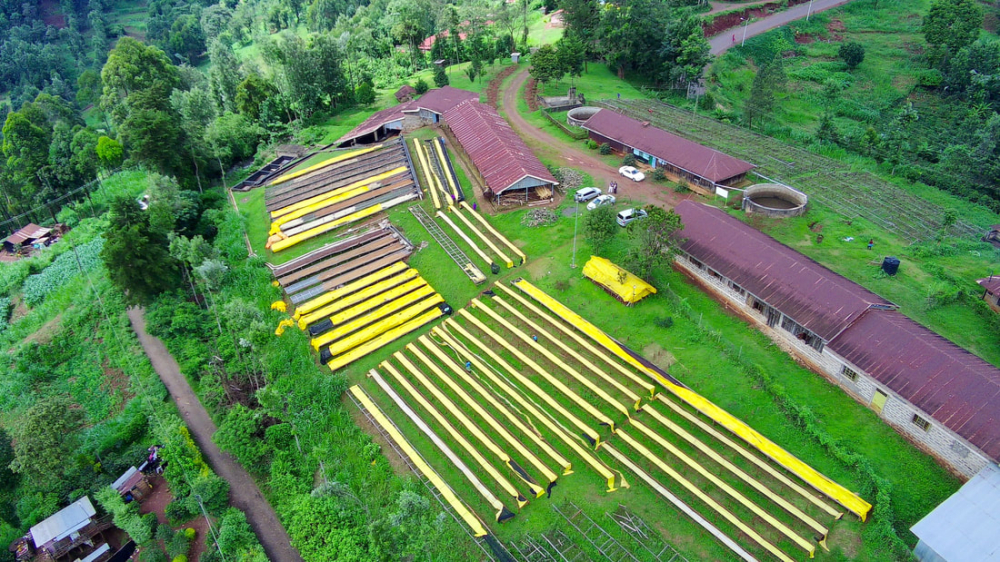
Located in East Africa, Kenya is bisected by the equator and borders the Indian Ocean to the east. Its exceptional geographical conditions make it a key Arabica coffee-producing region. The country’s numerous volcanoes have created mineral-rich red soils, which, combined with high altitudes and distinct wet and dry seasons, contribute to the intense flavor potential of its coffee cherries. Among the various regions, Nyeri stands out with elevations ranging from 1,200 to 2,300 meters and fertile volcanic soils. The coffee beans produced here often exhibit vibrant acidity and a full body, making them one of the most familiar Kenyan origins for Taiwanese consumers.
Kenya’s coffee grading system is primarily based on bean size and the rate of physical defects, ranked from highest to lowest as E, AA, A, AB, B, PB, and C. AA-grade beans have a diameter of 6.8mm, noted for their large size and high uniformity, typically offering the richest flavor profiles. AB-grade beans, with a diameter of around 6.2mm, are slightly smaller than AA but still deliver good intensity and balance. Together, they make up the majority of exports. Notably, peaberry (PB) beans, which contain only a single seed and are denser, are rare and often hand-sorted, exhibiting more concentrated sweetness and aroma.
SL28 and SL34 are the most representative naturally cultivated varieties in Kenya, both developed by Scott Laboratories in the 1930s. SL28 originates from a cross between French Mission, Yemen Mocha, and Typica, showcasing bright citrus acidity and a black plum-like finish, with a smooth transition between sweet and sour. SL34 incorporates Bourbon genetics, resulting in a richer flavor, with acidity that lingers from the tip of the tongue to the throat, often accompanied by grapefruit and dark chocolate notes. The recently emerged K7 variety thrives in low-altitude, dry environments, with a deep root system that enhances drought resistance. Batian and R11 are disease-resistant experimental varieties, primarily used to stabilize yields and combat coffee leaf rust.
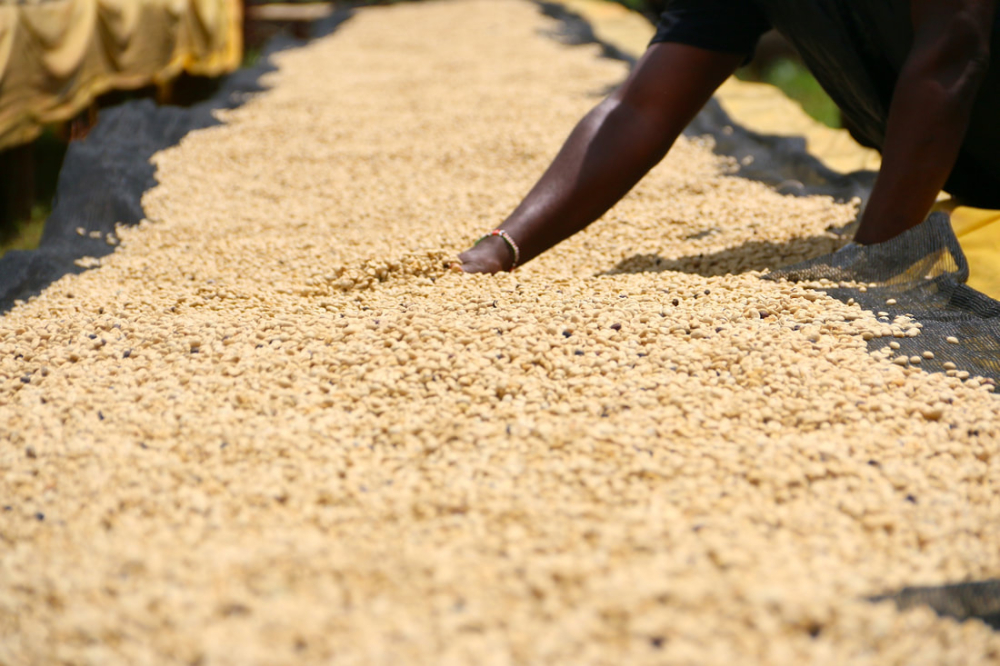
Kenya’s distinctive K72 double washed process is key to its flavor. After harvesting coffee cherries at 21 degrees of ripeness, they undergo three 24-hour fermentation cycles—each involving immersion in clean water followed by thorough washing, accumulating 72 hours of fermentation time, far exceeding the conventional 36 hours of standard washed processing. This technique enhances the breakdown of mucilage, imparting intense berry acidity and a refined texture structure to the beans. The process requires strict control of water quality and temperature, with the fermentation tank water being changed every few hours to prevent contamination. The final rinsed and dried beans exhibit a bluish-green hue, preserving optimal activity for subsequent roasting.
Beyond official grading, exporters often add flavor labels based on cupping results, such as AA TOP, AB+, and other unofficial grades. These indicators reflect the producers’ subjective evaluations of the beans’ aroma, sweetness, or acidity, though it’s important to note that definitions may vary between companies. When purchasing, consumers are advised to prioritize information about the processing farm and cupping reports rather than relying solely on grade names.
When brewing Kenyan coffee, a medium-light roast is recommended to preserve its vibrant acidity. Using a V60 dripper as an example, the grind size can be adjusted to medium-fine (similar to white sugar granules), with a brew ratio of 1:16 and water temperature around 90°C. A practical approach is to use a pulse pouring method: the first pour involves adding 30g of hot water and steeping for 30 seconds to bloom the coffee grounds. Next, pour 120g of water in a circular motion from the center, maintaining a 5cm height to avoid excessive agitation. Finally, gradually expand the pouring area from the inside out, stopping when the total water volume reaches 240g, with a total extraction time of about 1 minute and 50 seconds. These parameters help balance the bright berry acidity with a rich caramel base, highlighting clear flavors of cherry tomato and black plum.
In terms of flavor, high-quality Kenyan AA beans often present a three-phase progression: the initial sip reveals lively lemon and red cherry acidity, followed by a honey-like sweetness and tea-like aroma in the mid-palate, and a subtle smoky and dark chocolate finish. Brewing at excessively high temperatures can amplify bitterness, while too low a temperature may suppress acidity. It’s recommended to fine-tune the temperature within a 1-2°C range based on the actual characteristics of the beans.
The above content is compiled by CoffeeHunters, a coffee news website.


