







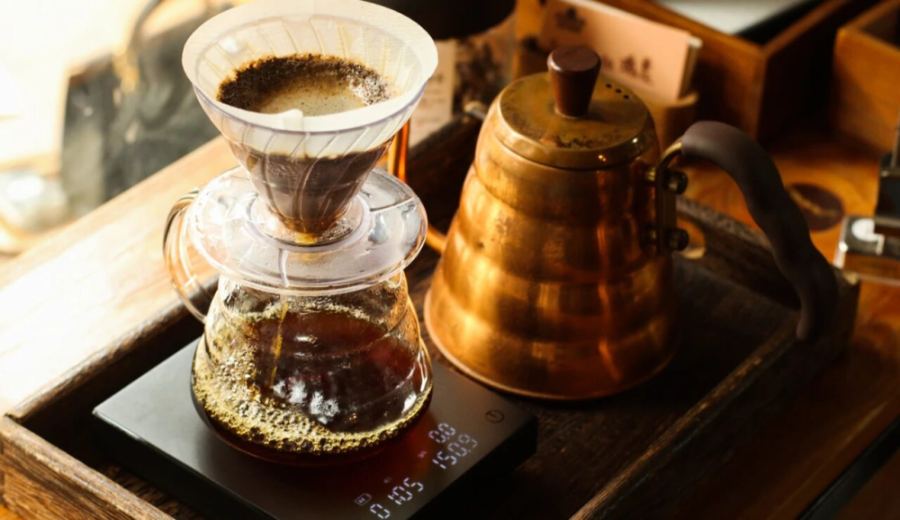
Introduction:Cold brew coffee, with its smooth and mellow profile and low bitterness, has become the go-to home brewing method for an increasing number of coffee enthusiasts. This article delves into how low-temperature extraction influences flavor expression, introduces the advantages of medium to light roasted beans in cold brew, and recommends several bean varieties that have performed exceptionally well in testing. It also provides a detailed cold brew preparation process, including coffee-to-water ratio, grind size, steeping time, and filtration techniques, enabling you to easily brew cold brew coffee at home that rivals café quality.
In recent years, cold brew coffee has become the preferred choice for many coffee lovers making coffee at home. Its most distinctive features are a smooth mouthfeel, low bitterness, and a naturally sweet aftertaste. Compared to traditional hot water brewing, the cold slow extraction method preserves aromatic compounds in the coffee more fully while reducing the release of acidic and bitter substances, resulting in a more balanced, silky, and easy-to-drink overall flavor.
So-called cold brew coffee refers to the process of steeping coffee grounds in room temperature or cold water (typically tap water or chilled water) for a period of time to extract flavors. It is generally recommended to refrigerate and steep for 12 hours, but if you prefer a stronger flavor, you can extend it to 24 to 48 hours. This process does not require heating and relies solely on time and water penetration to extract coffee flavors, making it relatively forgiving in terms of parameter control and suitable for beginners trying cold brew.
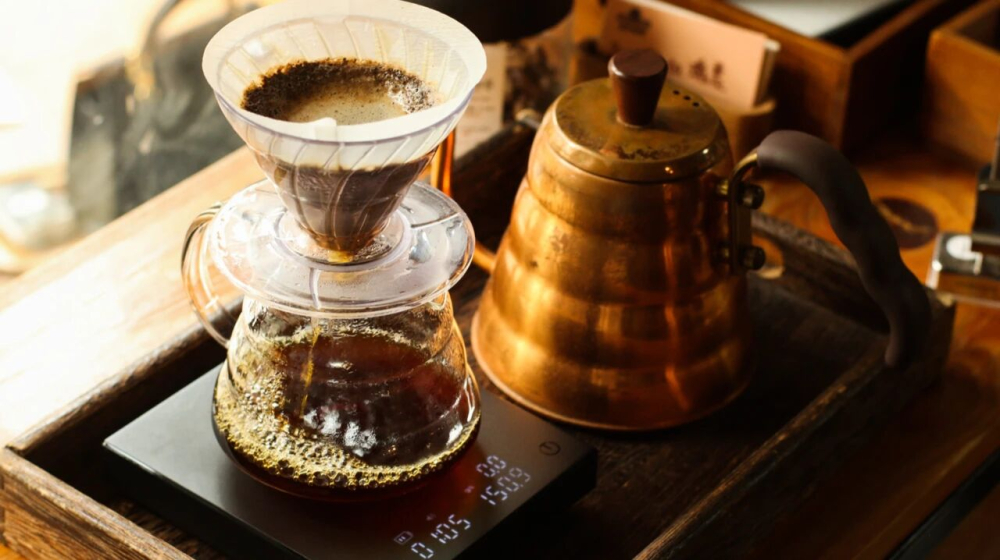
However, even though the process seems straightforward, brewing cold brew coffee that meets café standards still requires mastering several key elements, including coffee bean roast level, grind coarseness, coffee-to-water ratio, and steeping time. The following will break down these elements step by step to help you create your ideal cold brew coffee experience.
First, let’s discuss why cold brew coffee typically has a softer flavor. In traditional hot water brewing, high temperatures quickly extract various compounds from the coffee, but they can also release excessive acidic and bitter components, especially when parameters are not properly controlled, which can lead to a thin taste or prominent bitterness. In contrast, because cold brew uses low extraction temperatures and a slower reaction rate, only some of the more easily soluble flavor compounds are extracted, resulting in a smoother, lower-acid, and more palatable flavor profile.
Additionally,another significant advantage of cold brew coffee is its simple preparation process.Simply mix ground coffee with cold water, place it in the refrigerator to steep for several hours, and then filter out the coffee grounds before drinking. Although it requires waiting, the overall operation threshold is low, making it suitable not only for busy modern lifestyles but also allowing for adjustments based on personal taste preferences to create a unique coffee flavor.
Since cold brew coffee emphasizes smoothness and layered flavors, selecting the right coffee beans becomes particularly important. Generally speaking,medium to light roasted coffee beans, which retain more of their original flavors and sweet-and-acidic notes, are better suited for cold brew preparation.In contrast, beans roasted medium-dark or darker may undergo heavier caramelization reactions, often resulting in a monotonous bitterness and charred taste after cold brewing, making it difficult to showcase rich aromatic layers.
Below are several cold brew coffee beans that have performed outstandingly in practical testing:
The first is the 'Panama Geisha Flower Butterfly' produced by a certain brand. This is a washed-process blend containing 70% Geisha variety. In cold brew, this bean exhibits clear floral notes, citrus tones, and a slight oolong tea finish. Its flavor is refreshing and layered, making it a highly cost-effective choice.
The second recommendation is the 'washed Guji Yirgacheffe Fruit Dingding' from a certain brand. As one of the representatives of African coffee, Yirgacheffe is known for its bright floral and fruity characteristics. This washed Fruit Dingding variant, after cold brewing, releases vibrant berry aromas, honey-like sweetness, and a well-structured acidity, making it highly suitable for those who enjoy fruity profiles.
The third option is the 'Mozart' from a certain brand, part of the musician series using anaerobic honey processing. This bean features osmanthus, grape, and fermented wine aromas as its main flavor characteristics. After cold brewing, it displays intense sweetness and complex fermentation layers, making it ideal for coffee enthusiasts seeking a unique flavor experience.
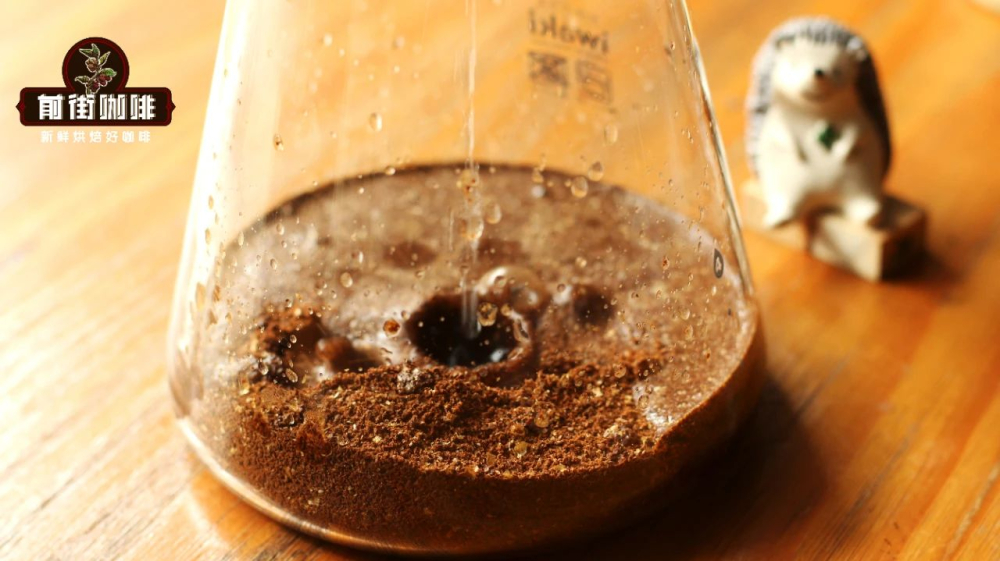
Next, we’ll share an easy-to-replicate cold brew coffee preparation process that you can try at home. Taking the commonly brewed 'Yirgacheffe Cold Brew' from a certain brand as an example, this recipe has been fine-tuned multiple times and suits most home environments and taste preferences.
It is recommended to usea coffee-to-water ratio of 1:12,which means 50 grams of coffee grounds to 500 milliliters of water. You may also add about 100 grams of ice cubes to maintain low-temperature stability during extraction. The grind size is recommended to be medium, similar to the coarseness of granulated sugar—approximately 75% passing through a Chinese standard No. 20 sieve (0.85mm aperture). This grind size helps prolong extraction time and avoid over-extraction.
During actual preparation, combine the coffee grounds with cold water (ice cubes can be added) in a sealed container. It is recommended to use a glass bottle or a dedicated cold brew maker to ensure it can be fully sealed. Place the mixture in the refrigerator’s cooling compartment and let it steep for8 to 12 hours.If you are in a summer environment or higher ambient temperatures, make sure to refrigerate it to prevent over-extraction or bacterial growth. Generally speaking,it should not exceed 16 hours,as this may lead to flavor deterioration or unpleasant tastes.
After steeping, use a filter cloth, filter paper, or a dedicated cold brew filter to remove the coffee grounds. The resulting clear coffee liquid can then be poured into a cup and enjoyed. For a cooler taste, you can add ice cubes or chill it slightly before drinking, and you can also customize it with milk or flavored syrup according to your preference.

The above content is compiled by CoffeeHunters, a coffee news website.


