







Introduction:Guatemalan coffee is renowned for its distinctive smoky aroma and bright acidity, making it one of the must-try regions for specialty coffee enthusiasts worldwide. This article delves into the flavor differences across Guatemala’s eight major coffee regions, its high-altitude growing environments, rigorous grading system, as well as the characteristics of washed and natural processing methods. It also provides flavor profiles and practical pour-over recommendations for classic beans such as Antigua Fleur, helping you better understand this "noble bean of Central America."
Among the many Latin American coffee-producing countries, Guatemala stands out with its unique smoky notes and crisp acidity, earning it the title of the “cigar coffee” of the coffee world. This flavor profile stems from its diverse volcanic terrain and high-altitude cultivation environment, giving each Guatemalan coffee bean its own distinct personality. This article will comprehensively explore the allure of Guatemalan coffee—from regional distribution, climate conditions, processing techniques, to varietal characteristics.
The Historical Roots of Guatemalan Coffee
As early as 1747, local residents began cultivating and enjoying coffee. In 1750, the first coffee tree was introduced by Father Jesuit, marking the beginning of this Central American country’s coffee story. By 1845, with the establishment of an official coffee promotion agency, coffee officially became the economic backbone of Guatemala. In 1880, coffee exports accounted for 90% of the nation’s total exports, prompting the government to develop indigenous lands and laying the foundation for today’s main southern producing regions.
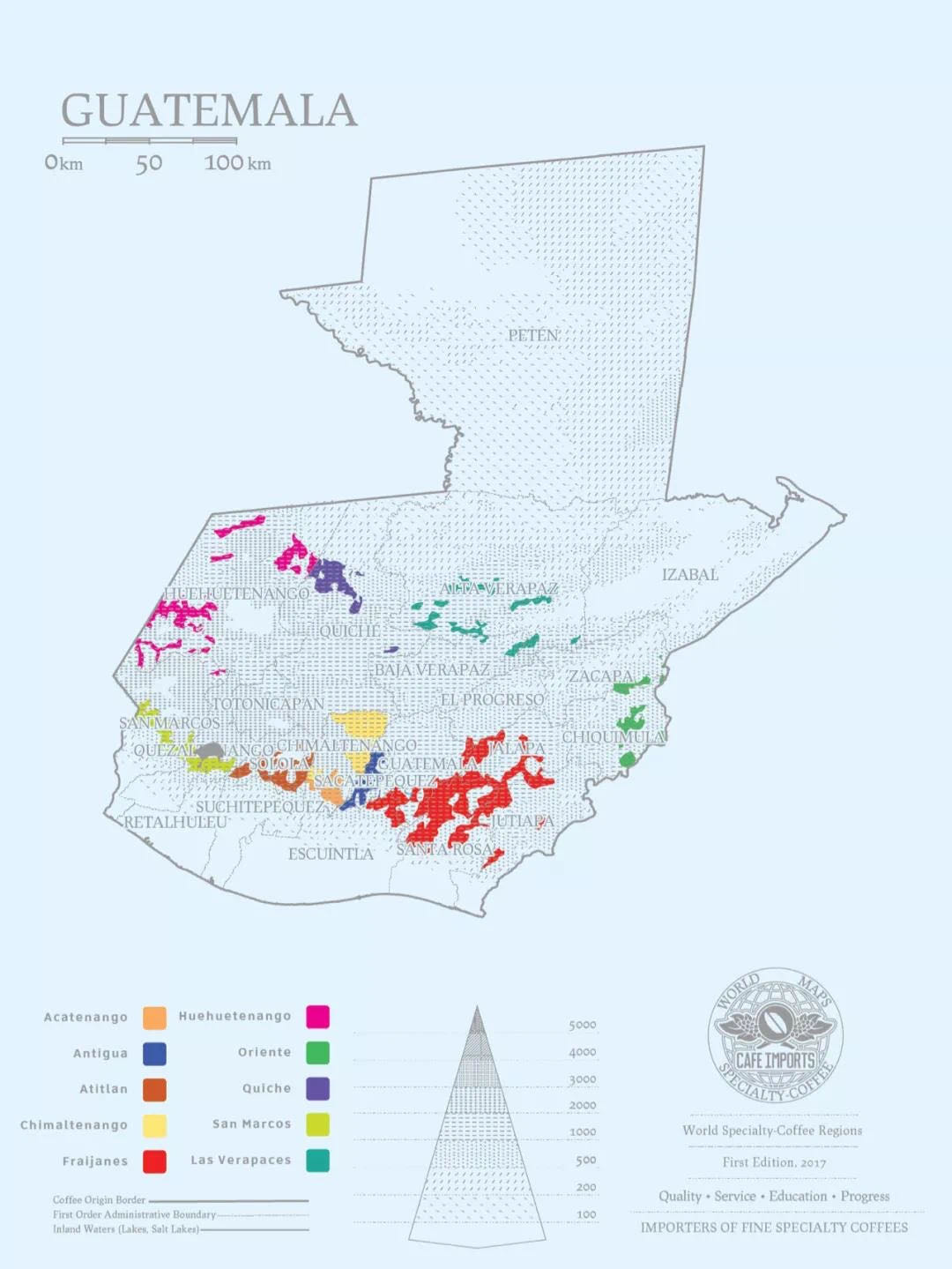
Flavor Map of the Eight Major Regions
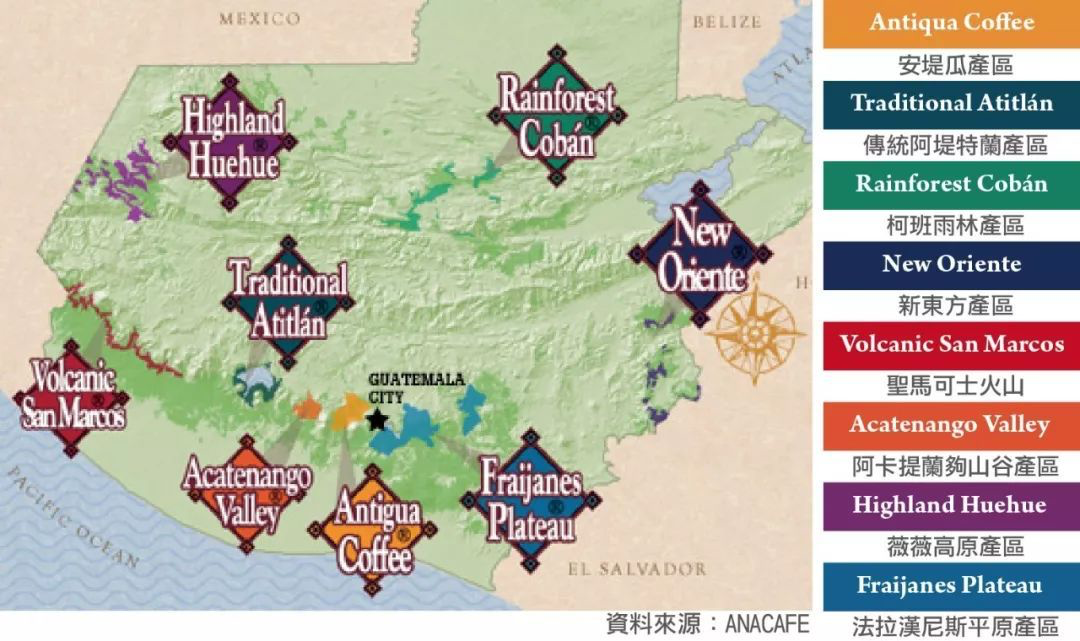
Guatemala is currently divided into eight coffee regions, each with distinct flavor profiles shaped by their geology, altitude, and microclimates:
Antigua: At elevations of 1500–1700 meters, known for its volcanic soil, where the Bourbon variety exhibits a classic balance of sweet and acidic flavors.
Acatenango Valley: Ranging from 1300–2900 meters in altitude, with significant day-night temperature variations, producing coffee with high sweetness and delicate acidity. The valley’s terrain retains abundant moisture, creating captivating layers of aroma.
Cobán Rainforest: At 1300–1500 meters, shrouded in clouds year-round with high rainfall, requiring meticulous processing to unlock the potential of chocolate and tropical fruit notes.
Volcanic San Marcos: Between 1400–1800 meters, where unstable rainfall affects harvest timing, but successfully processed batches often yield uniquely intense aromas.
Traditional Atitlán: At 1500–1750 meters, fertile lakeside soils and high-altitude sloped plantings produce a rich, viscous mouthfeel.
Highland Huehue: From 1500–2000 meters, influenced by dry, hot winds from Mexico, developing delicate floral notes and diverse flavor combinations.
Fraijanes Plateau: At 1400–1800 meters, with volcanic soils rich in pumice that impart unique aromas, featuring mild acidity and a full-bodied mouthfeel.
New Oriente: Between 1200–1700 meters, near Honduras, blending flavors of chocolate and spices, slightly differing from typical volcanic regions.
Natural Conditions and Grading System
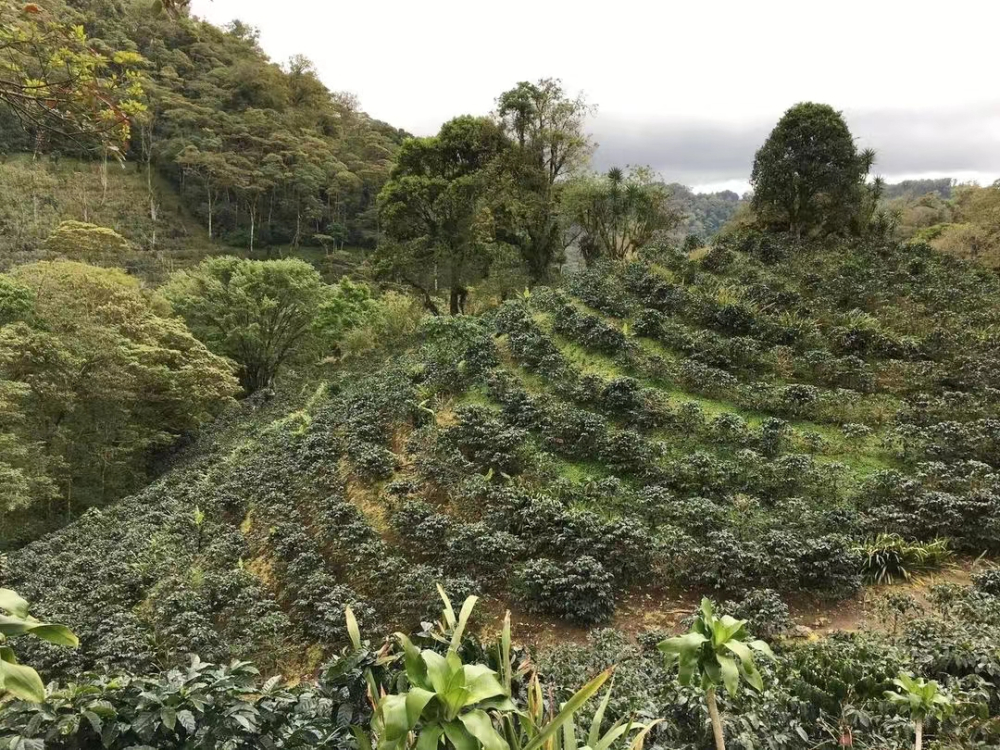
Guatemala lies at the intersection of the tropics and highlands, with tropical rainforests in the north and subtropical mountainous areas in the south shaping diverse microclimates. The country experiences distinct wet (May–October) and dry (November–April) seasons, with the temperate zone between 1300–1800 meters being particularly suitable for Arabica growth. Over 45% of the country’s coffee beans are rated as specialty grade, with main producing regions mostly exceeding 1500 meters in altitude, featuring a significant proportion of Strictly Hard Bean (SHB) coffee.
Coffee grading depends on altitude and bean density:
• SHB (Strictly Hard Bean): 1500–1700 meters
• HB (Hard Bean): 1350–1500 meters
• SH (Semi-Hard Bean): 1200–1350 meters
• Extra Prime to Good Washed correspond sequentially to altitudes from 1000–1200 meters down to 700–850 meters.
Philosophy Behind Washed and Natural Processing
Over 90% of Guatemalan coffee is processed using the washed method, highlighting clean and bright foundational flavors; natural processing is used to enhance aroma and fermentation complexity. The washed process includes: floatation → pulp removal → controlled fermentation (16–36 hours, producing organic acids like citric acid) → washing → drying in the sun or mechanically to 12% moisture content. The natural method involves floatation → sun drying for over two weeks (moisture reduced to 10–12%) → mechanical hulling, imparting a richer sweetness and wine-like character to the coffee.
Key Characteristics of Four Core Varietals
• Bourbon: Wine-red fruit, round beans, exhibiting wine-like aromas and sharp acidity when grown at high altitudes.
• Typica: Rare and susceptible to rust disease, with copper-green top leaves as its hallmark, offering deep flavor complexity but requiring careful cultivation.
• Caturra: A Bourbon mutation, shorter plants that are easier to harvest, with high yields but weaker disease resistance, retaining the elegant acidity of Bourbon.
• Catuai: A hybrid of Caturra and Mundo Novo, combining resilience with good acidity, available in both red and yellow fruit types.
Practical Guide to Classic Beans: Antigua Fleur
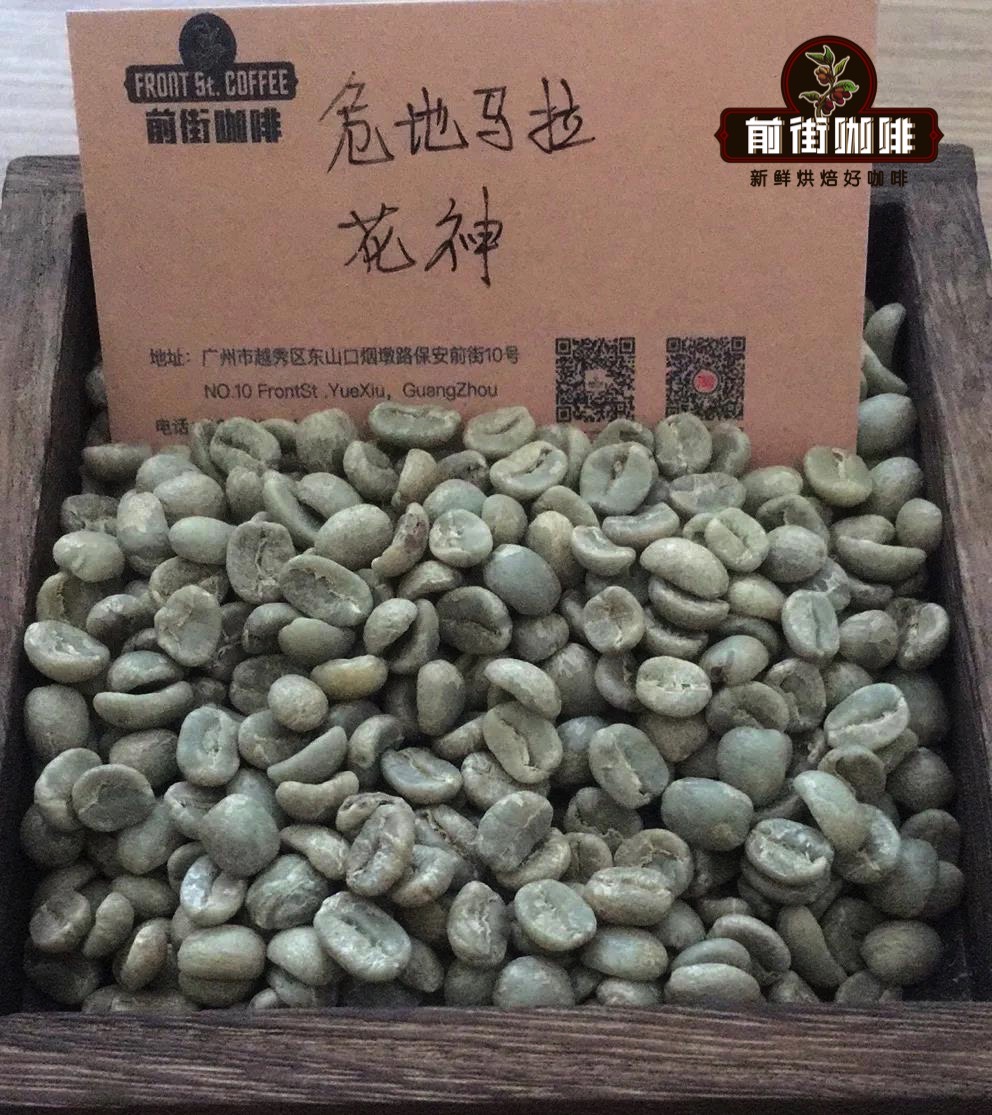
Grown in the centuries-old volcanic soils of the Antigua region, this washed blend of Bourbon and Caturra featuresberries, citrus, and light floral notesin the aroma, paired withgentle acidity and a chocolatey finish, with a unique smoky aftertaste. Recommended brewing with a V60 filter at medium roast to preserve acidity while enhancing body.
Roasting Curve Reference: Yangjia 600g semi-direct-fire roaster, charge temp 200°C → reduce heat to 160°C after 30 seconds (damper 3) → 4’50” beans turn yellow (heat 140°C, damper 4) → 8’37” first crack begins (heat 80°C, damper 5) → drop at 195.3°C, total roast time approx. 12 minutes.
Pour-Over Recommendations: V60 filter / 15g coffee / 1:15 brew ratio / 90°C water / EK43s grind size 10
Method: 30g bloom for 30 sec → pulse pour to 125g → continue pouring to 225g then stop → total brew time 2 minutes, yielding a balanced cup withfloral, citrus acidity, caramel, and light smokiness.
The above content is compiled by CoffeeHunters, a coffee news website.


