







Introduction:This article delves into two uniquely distinctive and rare coffee varieties—Laurina and Pink Bourbon—exploring their historical backgrounds, growing conditions, unique flavor profiles, and recommended pour over brewing methods to provide a comprehensive analysis of these two highly regarded coffee beans. Whether you’re interested in learning about the characteristics of low-caffeine varieties or exploring the allure of citrus and floral notes, you’ll find practical insights here.
Among the many Arabica varieties, Laurina and Pink Bourbon stand out with their unique genetic backgrounds and rare flavor profiles, drawing attention from both coffee enthusiasts and professionals. Laurina, in particular, is not only celebrated for its captivating aroma and low caffeine content, but also gained significant fame in the 18th century due to the patronage of King Louis XV of France and the writer Honoré de Balzac. Pink Bourbon, on the other hand, has captured market interest with its soft pink fruit skin and citrusy characteristics. This article combines reliable literature and actual cupping records to thoroughly introduce the historical background, growing conditions, varietal traits, and flavor characteristics of these two coffee beans, while also offering practical pour over parameter suggestions to help you gain a deeper understanding of these specialty coffees.
Laurina (Laurina) originally comes from Réunion Island in the Indian Ocean (formerly known as Bourbon Island), and its creation is closely linked to a scientific restoration effort. According to the 《New Edition of Coffee Studies》, French researchers at the time selected one of the more productive variants from the remaining thirty or so mutated Bourbon plants on the island and launched a five-year cultivation program. These carefully selected mutants eventually evolved into what is known today as Laurina. According to recollections of tasters at the time, its flavor was distinctly different from that of regular coffee—almost no bitterness upon entry, with clearly present, gentle and delicate fruit acidity, accompanied by abundant citrus aroma, and even hints of fresh floral-fruity notes reminiscent of lychee.
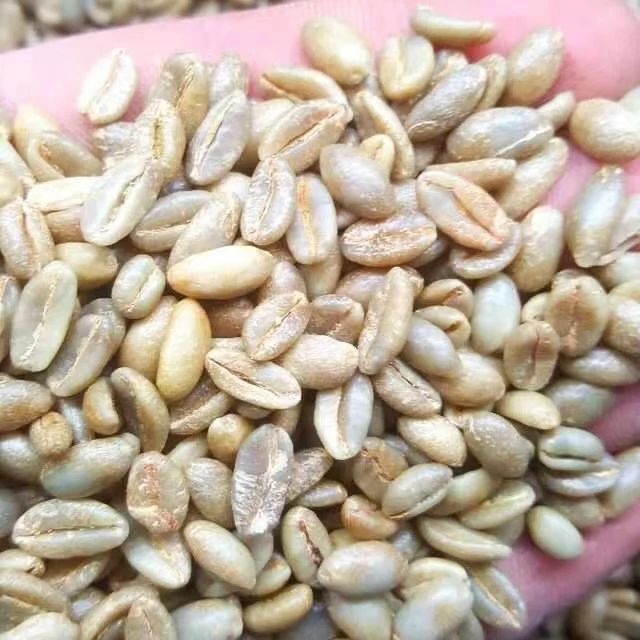
In terms of appearance, Laurina coffee cherries differ significantly from those of common varieties. Its coffee beans are slender in shape, pointed at both ends, generally small with uniform particle size, resembling tiny grains of wheat. In addition, Laurina has an extremely low caffeine content, only about 0.4% to 0.75%, far lower than the 1.2% to 1.6%found in typical Arabica varieties, and is therefore classified as a naturally low-caffeine variety. However, due to its low caffeine content, it has weaker natural resistance to pests, particularly susceptible to leaf rust and coffee berry disease. Coupled with its early maturation period for red fruit, overall yields have long remained low, making cultivation extremely challenging.
Looking back at history, Laurina was once widely cultivated on Réunion Island in the early 19th century, with annual production reaching as high as 4,000 metric tonsin the year 1800, demonstrating significant market potential. However, in the following decades, the island was hit by hurricanes, fire ant infestations, and widespread disease, causing cultivation areas to continually shrink. By 1942, the last shipment of Laurina sent to France amounted to only 200 kilograms, and since then the variety gradually disappeared from the market, even being regarded as "extinct" in official records. It wasn’t until recent times that it was reintroduced through a small number of preserved seeds and successfully trial-planted in specific microclimates, becoming a premium offering in today’s coffee market.
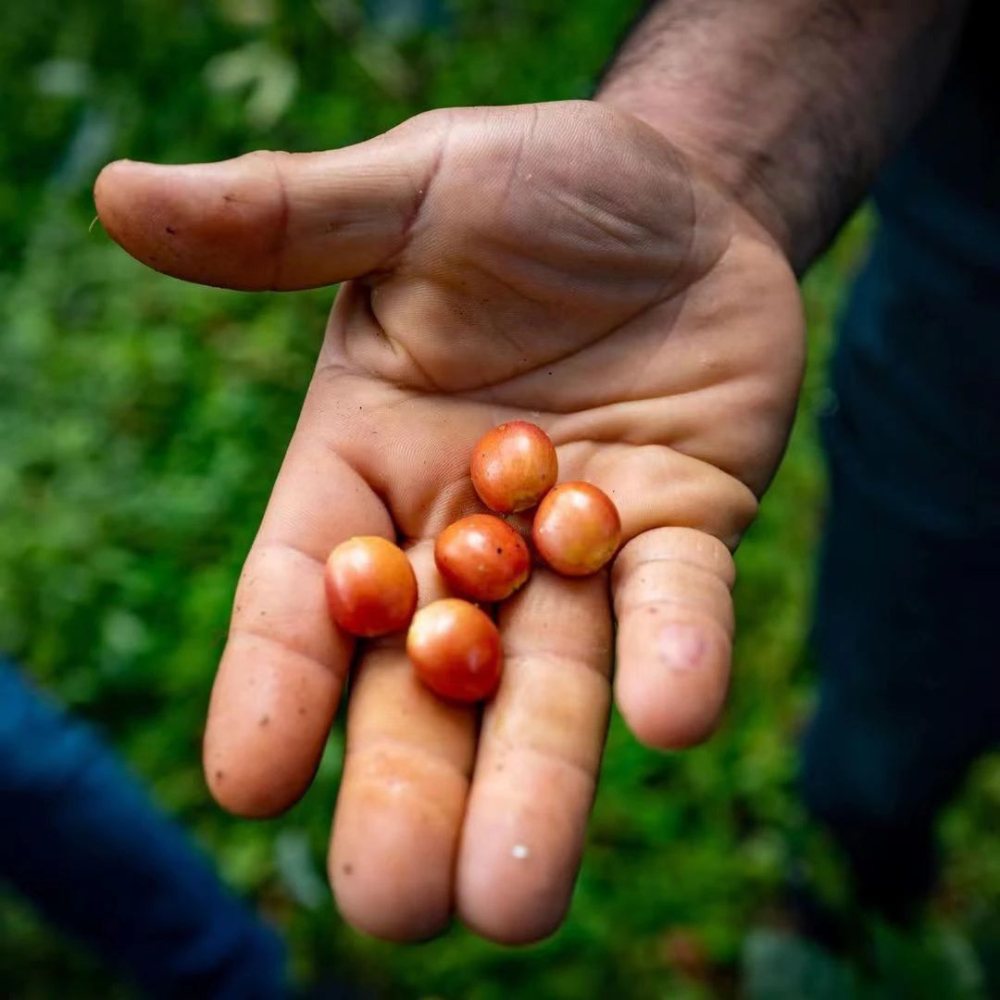
Pink Bourbon is another highly notable rare variety, distinguished by its mature coffee cherries exhibiting a romantic pink hue. This variety was developed through selective breeding between Red Bourbon and Yellow Bourbon, but because the genetic factors responsible for fruit skin color are mostly recessive, the final fruit color is easily influenced by pollen genetics, sometimes even appearing orange instead of pink—this is also a major challenge to stable production. Therefore, Pink Bourbon that can consistently produce pure pink fruit is considered especially precious and rare.
In terms of flavor profile, Pink Bourbon typically exhibits pronounced citrus notes, paired with sweet orange, sugarcane sweetness, and a pleasant juiciness. The overall flavor profile is relatively balanced, making it suitable for drinkers who enjoy bright acidity and fruity profiles. A well-known coffee brand once cupped a Pink Bourbon from Isabel Estate in Huila, Colombia, processed using the honey method and lightly-to-medium roasted, showcasing clear citrus and sweetness—a great entry-level choice for experiencing Pink Bourbon.
As for Laurina, it is currently mainly found in stable cultivation in high-altitude microclimates such as the Finca Nueva Granada in Guatemala. Finca Nueva Granada is located in the department of San Marcos, founded by German immigrants, and has endured civil war and volcanic eruptions. Surrounded by some of Central America’s highest active volcanoes, such as Tajumulco and Tacana, the volcanic soil is rich in minerals, and irrigation with volcanic spring water imparts a delicate and layered character to the coffee. The Laurina grown here is processed using the washed method, and when lightly-to-medium roasted, it reveals floral, orange, peach, and nectarine nuances, with a long-lasting aftertaste and an elegant flavor.
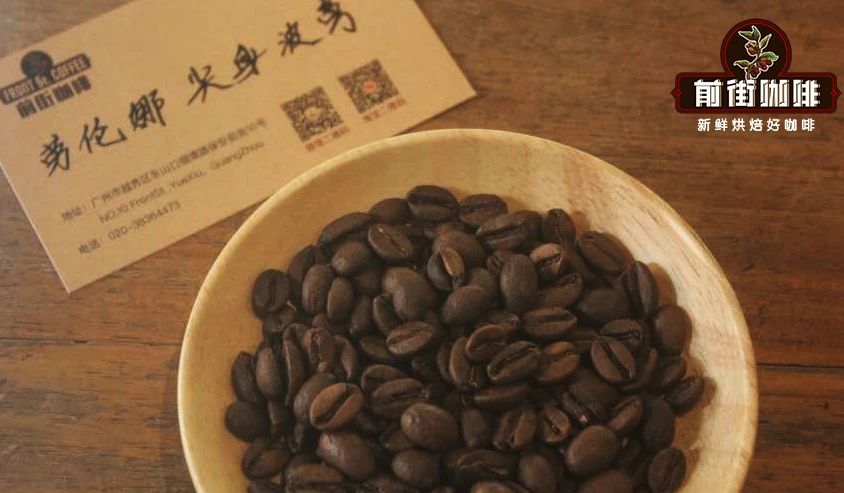
A well-known coffee brand also once processed a batch of Laurina using the natural (sun-dried) method, with the following measured extraction parameters: coffee dosage 15 grams, using a Hario V60 filter, with water temperature controlled at 89°C[temperature not specified] 1:15, grind size set to medium-fine, and a brew ratio of [ratio not specified]. During the pour over process, the first step involved 29 grams of water for a 30-second bloom, and after the coffee bed surface dried, a small stream of water was poured in a centered pattern up to 120 grams for the first pour, followed by additional pouring until 230 grams to complete extraction, with a total brew time of approximately
1 minute and 45 seconds
The above content is compiled by CoffeeHunters, a coffee news website.


