








Introduction:Iced coffee isn't just a single choice. Cold brew, cold drip, and cold steeped coffee each have their own unique characteristics and very different brewing principles. This article delves into the differences among the three, explains the origins of cold brew coffee and its two mainstream brewing methods, and compares its key distinctions from hot-brewed coffee. Furthermore, it provides practical cold drip extraction parameters for the Hua Kui coffee bean — including coffee-to-water ratio, grind size, time, and water temperature recommendations — to help you easily master professional-level home brewing techniques.
On a hot summer day, nothing beats a cool cup of coffee to beat the heat. However, the various "iced" coffees available on the market actually involve quite a bit of expertise. Although cold brew, cold drip, and cold steeped all belong to the low-temperature extraction family, they differ significantly in brewing methods, flavor profiles, and time requirements. This article will start with basic definitions, introduce in detail the historical background of cold brew coffee and its main brewing types, and deeply compare its essential differences from common hot-brewed iced coffee, helping you understand the unique qualities of each type of iced coffee at once.
What is cold brew coffee?
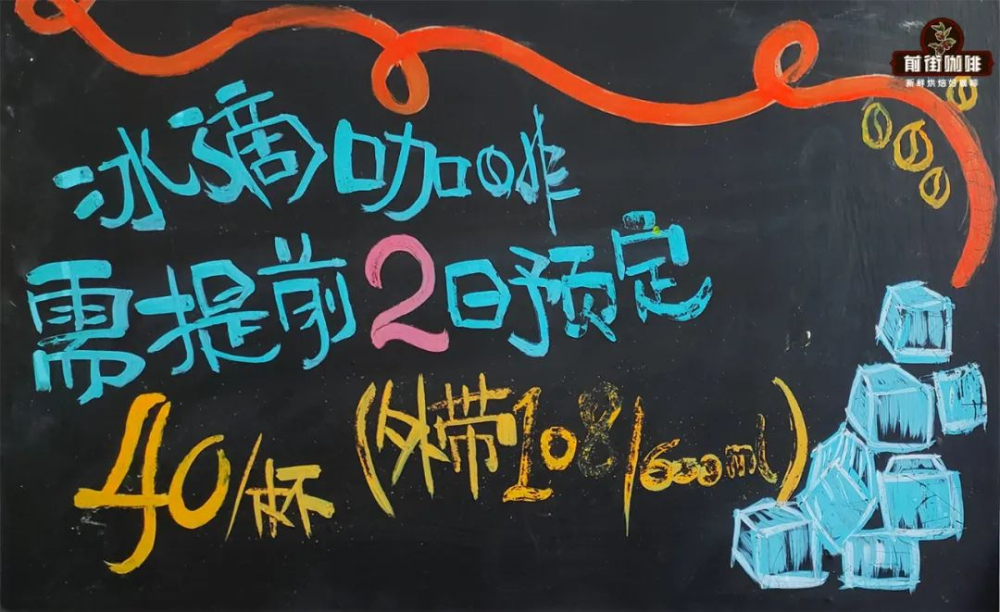
Cold brew coffee, known in English as Cold Brew Coffee, is made by steeping ground coffee in cold water for over 12 hours to extract flavors, optionally using specialized equipment to assist with filtration. For a richer and fuller-bodied taste, the steeping time can be extended to 24–48 hours. The most distinctive feature of this brewing method is the low temperature and long duration, which stands in sharp contrast to hot-brewed coffee.
Hot-brewed coffee relies on high-temperature hot water (approximately 82–95°C) to quickly extract coffee flavors, with the entire process usually completed within 5 minutes. For example, an iced pour-over coffee from a certain shop is first extracted with hot water and then rapidly chilled. As for the fastest method, espresso, it only takes 18–30 seconds. Hot water is forced through a finely-ground coffee puck under high pressure, then mixed with cold water to create an iced Americano.
The origin and popularity of cold brew coffee
The history of cold brew coffee dates back much earlier and did not just emerge in recent years. As early as 1941, Japanese author Nomura Keiji mentioned in his book "Sketches of the South Seas" a brewing method where finely ground coffee was soaked in water overnight and then slowly dripped through a bottom device to extract the coffee liquid. This is considered one of the early prototypes of cold brew coffee. In the United States, cold brew coffee began to gain attention between 2014 and 2015, subsequently sparking a global trend.
Although many people believe Japan is the birthplace of cold brew coffee, in reality, residents in Indonesia, Peru, and even the high-altitude regions of the former Soviet Union had traditional practices of consuming coffee through similar low-temperature, long-duration soaking methods. These regional habits, though not widely known, may have been among the earliest applications of the cold brew extraction concept.
The two main forms of cold brew: cold drip and cold steep
The cold brew coffee commonly seen in the market today can generally be divided into two forms: cold drip coffee and cold steeped coffee. Although their detailed operations differ, both belong to the broader family of low-temperature extraction.
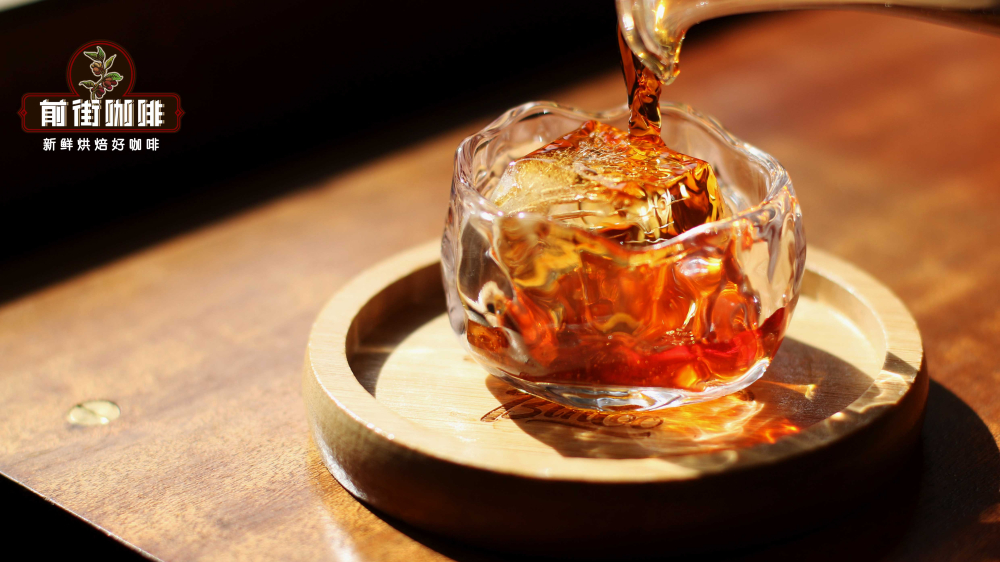
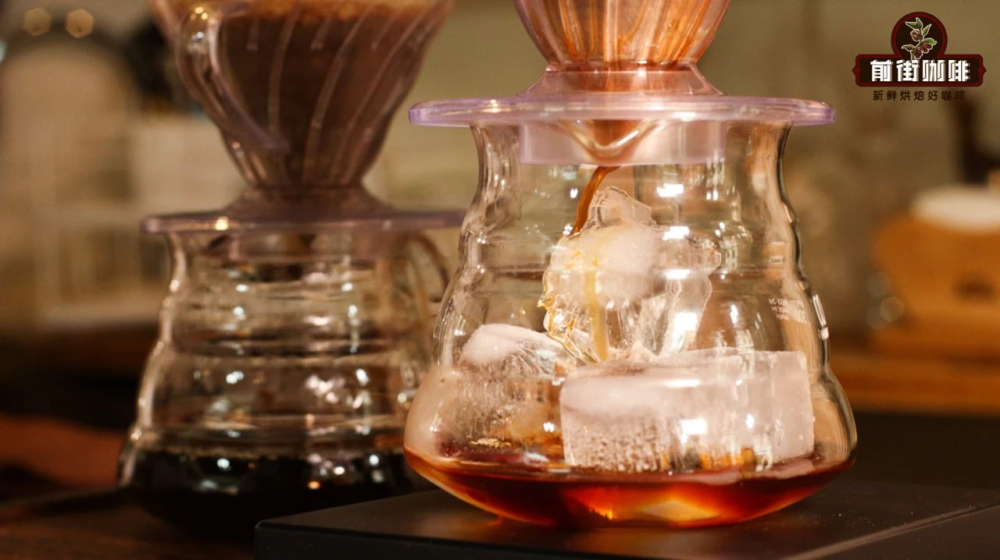
Cold drip coffee is made by slowly melting ice, allowing water droplets to pass through layers of coffee grounds drop by drop to extract flavors. This method typically uses specialized equipment resembling laboratory instruments, which can precisely control the dripping rate and extraction time. Cold drip coffee is beloved by coffee enthusiasts for its rich flavor layers and often complex notes reminiscent of wine.
In contrast, cold steeped coffee is made by steeping cold water and coffee grounds together in a low-temperature environment for a longer period (usually 12–24 hours). This method does not require complex equipment and can be done with simple containers, making it the preferred choice for home cold brew preparation.
Hua Kui coffee beans: An excellent choice for cold brew
Due to the characteristics of low-temperature extraction, cold brew coffee does not easily release large molecular substances that cause excessive bitterness or off-flavors. Instead, it better highlights small molecular flavors such as floral, fruity, and acidic notes in coffee. Therefore, coffee beans with bright acidity and rich flavor complexity are particularly suitable for cold brew. Among them, the Hua Kui coffee beans from Ethiopia’s Sidamo region are an outstanding representative.
Hua Kui coffee beans are renowned for their intense berry notes. In 2017, they won the Ethiopian Natural category championship in the TOH (Taste of Harvest) competition. The competition batch was introduced by a well-known Beijing green coffee bean supplier and named “Hua Kui,” symbolizing its superior quality. This coffee bean has also performed exceptionally well in Chinese coffee brewing competitions and is considered a star bean by many baristas.
Detailed parameters for Hua Kui cold drip production
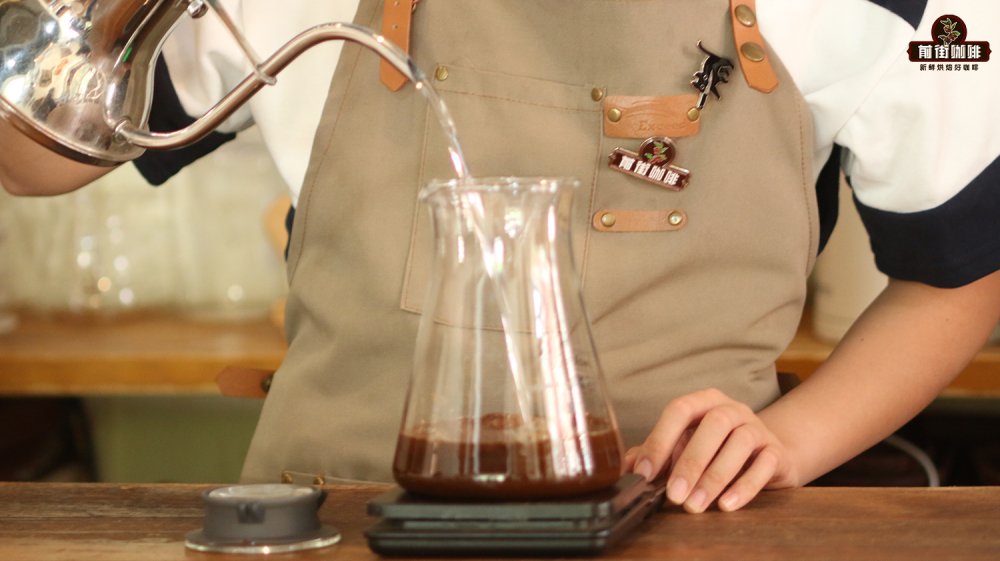
If you want to try making cold drip coffee with Hua Kui coffee beans at home, here are professional-grade reference parameters:
Coffee dosage:60 grams
Coffee-to-water ratio:1:10
Water temperature:0°C~4°C
Time:6–8 hours of dripping, recommended to refrigerate for fermentation overnight afterward
Grind size:Approximately 85% passing through a Chinese standard No. 20 sieve (slightly finer than pour over, but a bit coarser than cold drip)
Grinding and time notes
Under low-temperature extraction, the release of coffee flavors is slower, so it is recommended to use a slightly finer grind for cold drip coffee compared to regular pour over, which helps improve extraction efficiency. For cold steeped coffee, due to the long steeping time, a coarser grind is recommended — about the texture of breadcrumbs — to avoid over-extraction and unwanted off-flavors.
Additionally, the coffee liquid obtained after cold drip extraction is recommended to be refrigerated for at least 12 hours to allow flavors to fully integrate. This results in a more aromatic cup with a smoother and more layered mouthfeel.
Recommended coffee-to-water ratio
Generally, a certain shop recommends a 1:15 ratio, but for cold drip coffee, a more concentrated 1:10 ratio is advised. Ice cubes can be added later according to personal taste to dilute. This approach balances a rich flavor with a refreshing profile, allowing you to enjoy the multiple dimensions of cold brew coffee at different stages.
The final extracted Hua Kui cold drip coffee often presents a rich, complex berry juice-like profile, with a full body and certain fermented notes, making it an excellent choice for your summer coffee table.
The above content is compiled by CoffeeHunters, a coffee news website.


