








Introduction:The Gotiti Cooperative in Yirgacheffe is a representative processing unit within Ethiopia’s renowned coffee-growing regions. Its Grade 1 washed beans are well-known for their high cost-performance ratio and distinct floral and fruity profiles. This article delves into the background of the Gotiti Cooperative, its washed processing methods, and analyzes the flavor characteristics and brewing parameters of this medium-light roasted Grade 1 bean—suitable for various brewing methods such as pour over and cold brew—to help you discover an accessible entry point into specialty coffee.
Yirgacheffe is a famous coffee-producing region in southern Ethiopia, globally renowned for its unique floral, citrus, and tea-like flavor profiles. Among the many coffee cooperatives from this region, “Gotiti” is one of the most iconic names. However, Gotiti is neither a coffee variety nor a specific growing area, but rather a cooperative organization and processing facility formed by around 300 local coffee farmers, dedicated to producing high-quality washed coffee beans.
Established in 2012, the Gotiti Cooperative was founded with the initial goal of helping local coffee farmers enhance their bargaining power and improve the quality control of green beans. By centralizing the coffee cherries harvested by individual farmers at a single processing facility, Gotiti ensures consistency in processing and reduces the number of intermediaries through a direct-sales model, enabling farmers to receive more reasonable compensation. The coffee beans produced by the cooperative are all sold under the name “Gotiti,” making it one of the recognizable sources of specialty coffee in the market.
Among the various coffee beans produced by Gotiti, the washed Grade 1 batches—ranked at the highest level (G1) in Ethiopia’s green bean grading system—are particularly praised by coffee enthusiasts. These washed Grade 1 beans are processed using the traditional washed method and are medium-light roasted, showcasing the classic characteristics of Yirgacheffe: bright citrus acidity, floral notes reminiscent of jasmine and white peaches, and a clean finish with delicate tea-like tones and honey sweetness. Suitable for brewing via pour over, cold brew, French press, and more, these beans are an excellent choice for entering the world of specialty coffee.
Many who are new to single-origin coffee may not be unfamiliar with the name “Yirgacheffe,” but often mistakenly assume it refers to a type of coffee drink or brewing method. In fact, Yirgacheffe is a highly representative coffee-growing region in Ethiopia, and any coffee beans produced in this area—regardless of brewing method—can be called “Yirgacheffe coffee.” Gotiti, on the other hand, is one of the well-regarded coffee processing organizations from this region, and its washed Grade 1 beans are often the top choice for home users and beginners at coffee shops due to their clear flavor profile and high cost-performance ratio.
The processing of Gotiti’s washed Grade 1 coffee beans is extremely meticulous. The washed process begins with the selection of fully ripe red coffee cherries, which are then depulped using a pulper to remove the outer skin and part of the fruit flesh. The mucilage-covered beans are subsequently soaked in clean water tanks for fermentation lasting 24 to 48 hours. This stage primarily aims to use microbial activity to remove the sticky mucilage layer attached to the inner parchment. After fermentation, the beans are transferred to raised African drying beds for slow drying over approximately 2 to 3 weeks. During the drying period, strict control of environmental temperature and humidity is required, with regular turning of the beans to ensure even dehydration and to prevent mold or over-fermentation, which could negatively impact the final flavor.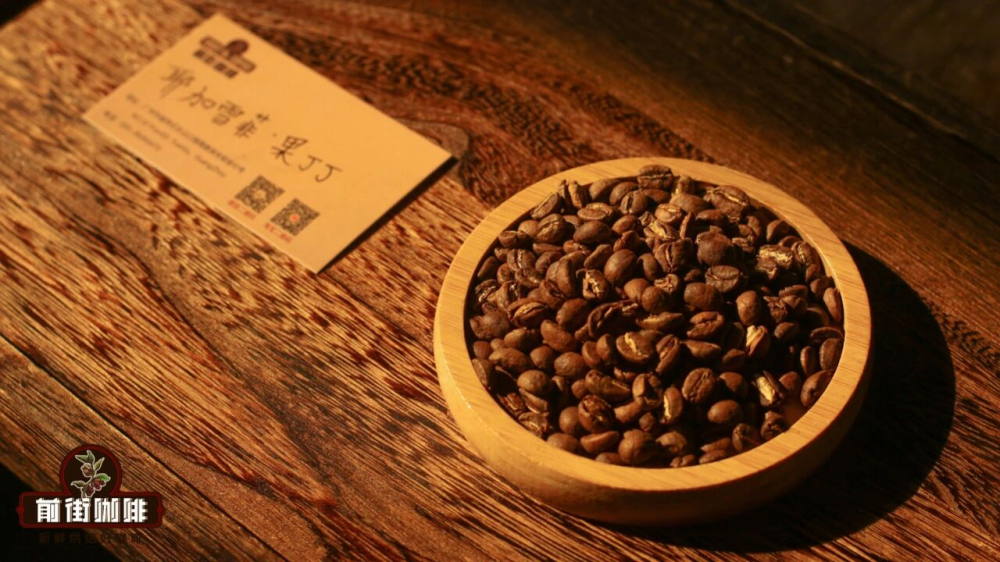
This intricate and meticulous processing method allows Gotiti’s washed Grade 1 beans to maintain a high level of cleanliness and bright acidity, while also showcasing delicate floral and fruity notes. In terms of roast level, most suppliers opt for a medium-light roast to preserve more volatile aromatic compounds, making the floral and fruity scents more prominent. Whether using pour over devices such as V60 or Chemex, or methods like cold brew, ice drip, or even a siphon, the full potential of these beans can be fully realized.
For users who are just beginning to explore specialty coffee, understanding the processing methods and roast levels of coffee beans is key to improving brewing success rates. Washed processing results in a clearer and cleaner flavor profile, while medium-light roasting emphasizes acidity and aroma—making it more suitable than dark roasts for highlighting the unique flexibility and versatility of the Yirgacheffe region. Additionally, choosing freshly roasted beans (recommended for use within 5 to 14 days post-roast) also helps ensure the full expression of flavors.
In summary, the washed Grade 1 coffee beans from the Gotiti Cooperative in Yirgacheffe, with their high-quality processing, classic regional flavors, and broad brewing adaptability, are not only a go-to option recommended by many baristas for beginners, but also a must-try choice for anyone looking to deeply understand the characteristics of Ethiopian coffee. If you’re searching for a specialty coffee bean with clear floral and fruity notes, suitable for various brewing methods, and offering outstanding cost-performance, Gotiti’s washed Grade 1 is definitely worth adding to your list of must-tries.
The above content is compiled by CoffeeHunters, a coffee news website.


