







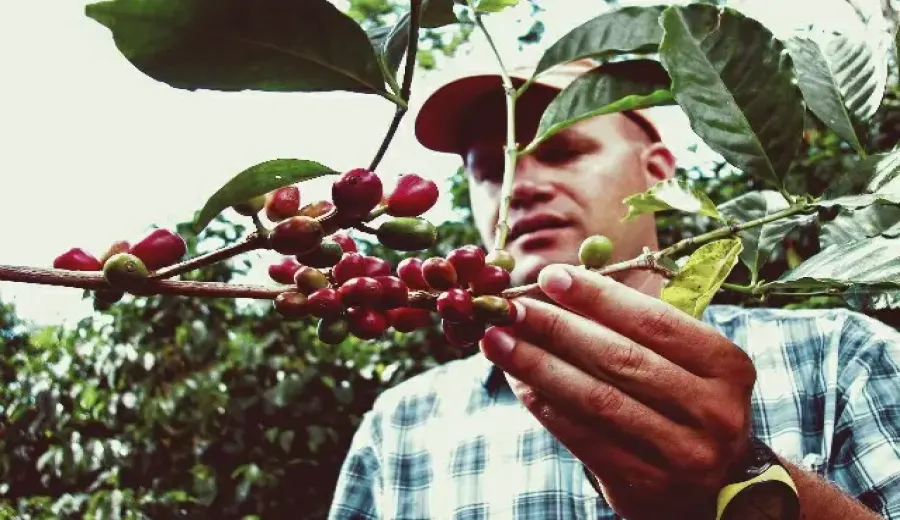
Introduction:Panama’s Geisha from Hacienda Esmeralda is hailed as one of the finest coffees in the specialty coffee world, winning international awards for its unique floral notes and delicate acidity. But can this rare bean, originating from Ethiopia, also be used to make espresso? This article will explore the history of Geisha, the terroir advantages of the Boquete region, and discuss its flavor profile and practical recommendations for both pour over and espresso brewing methods.
If we were to name one specialty coffee that leaves the most unforgettable impression, Panama’s Hacienda Esmeralda Geisha would undoubtedly be on the list. This coffee bean, which originated in Ethiopia but truly shines in Panama’s highlands, has won numerous accolades in global specialty coffee competitions with its refined floral aroma, bright acidity, and lingering aftertaste, establishing its prestigious position in the high-end coffee market. So, what exactly makes Panama’s Geisha stand out? And is it suitable for making espresso?
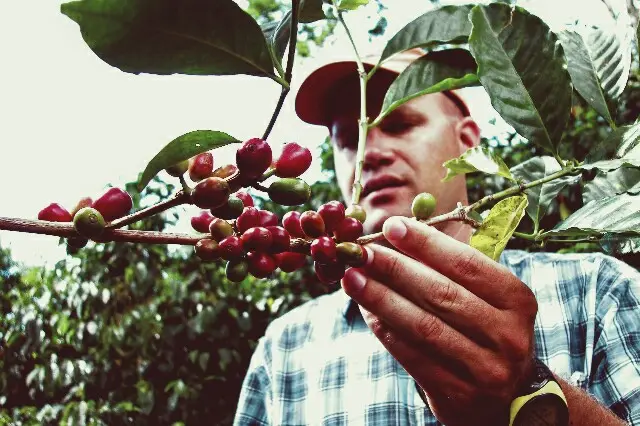
When talking about Geisha, one must mention Hacienda Esmeralda in Panama. This small estate located in the highlands produces exceptional Geisha thanks to its unique geographic and climatic conditions. In fact, Geisha from Panama has already developed a notably different flavor profile compared to its native Ethiopia, especially in terms of aroma complexity and acidity expression, which are even more refined. Although Geisha is a single-origin coffee bean, it can still produce a regionally distinctive espresso through the SOE (Single Origin Espresso) method.
Jung Jung Lee, CEO of Maristella Roastery & Coffee Lab, once pointed out: “Panamanian coffee possesses extremely unique flavor characteristics, which we believe are related to its special geographic location and climate environment sandwiched between the Pacific and Atlantic Oceans.” It is precisely because of this that the Geisha (or Geisha) variety has found its most suitable stage in Panama, capturing global attention with its extraordinary flavors.
Geisha, also known as Geisha, is an extremely particular rare variety that demands specific growing conditions. This variety was first discovered in the 1930s near the town of Gesha in southern Ethiopia, within the Kaffa Forest, where it initially received little attention and was even planted as a windbreak. Later, it was introduced to Kenya, Uganda, Tanzania, Costa Rica, and finally Panama in the 1970s. It wasn’t until 2004, when Hacienda Esmeralda entered Geisha into the Best of Panama (BOP) competition and won the championship, that it truly rose to fame and became a legend in the specialty coffee world.
Although Geisha originated in Ethiopia, its flavor potential is fully unlocked under Panama’s high altitude and foggy environment. Geisha thrives in high altitudes, shaded by clouds, and fertile soil—conditions that Panama perfectly provides—resulting in Geisha from this region that features prominent floral notes, citrus tones, and delicate acidity, forming a clear contrast with the original Ethiopian version. Today, besides Panama, Colombia, Costa Rica, and Ethiopia also grow Geisha, but in terms of quality and flavor, Panama remains unmatched.
Panama is a mountainous country with a tropical maritime climate, with average annual temperatures ranging from 23–27°C, distinct wet and dry seasons, and annual rainfall between 1500–2500 millimeters. Among its most representative regions is the Boquete area in the Chiriquí Province, located in the northwest and bordering Costa Rica. The Boquete region offers planting altitudes of up to 1400 to 1900 meters, is close to the Barú Volcano, and benefits from fertile volcanic ash soil, significant day-night temperature variations, and a diverse microclimate—all of which contribute to the production of several world-class specialty coffees.
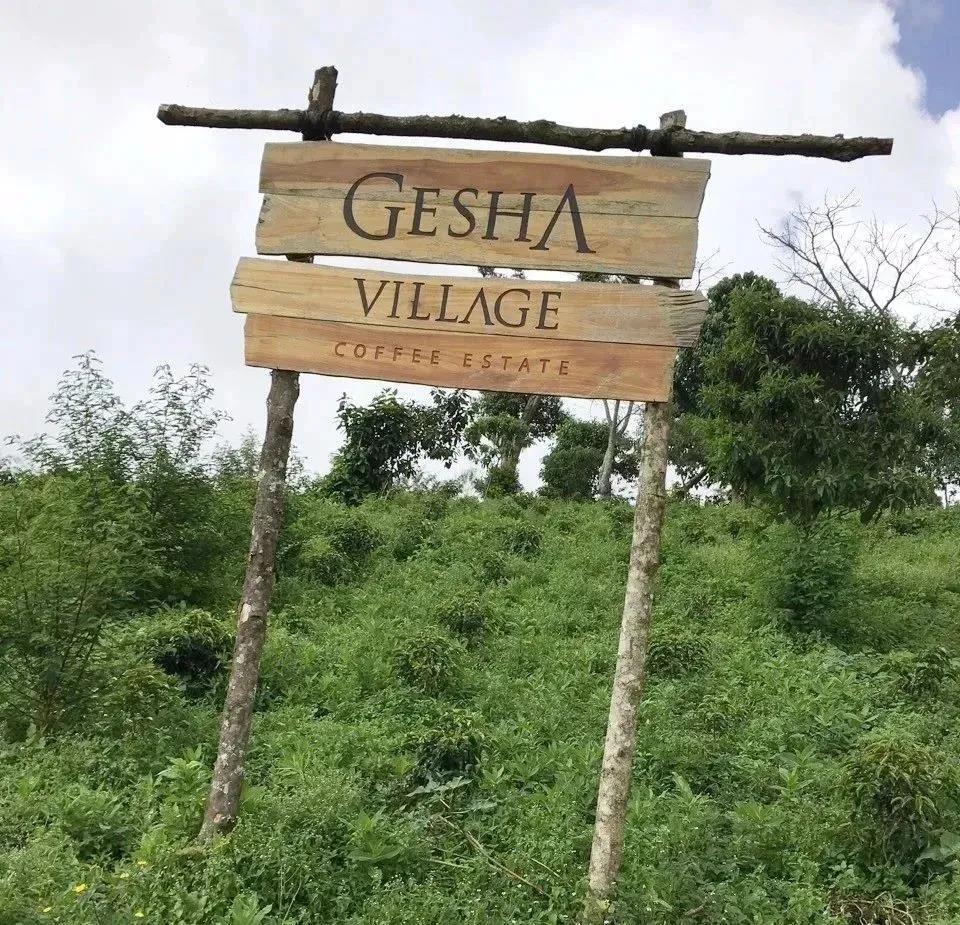
Within the Boquete region, there are numerous well-known estates, including Hacienda Esmeralda, Elida Estate, and Caturra Duncan Estate, all renowned for producing high-quality Geisha. Among them, Hacienda Esmeralda’s Geisha is further divided into Red Label, Blue Label, and Green Label, with the Red Label being the top-tier auction-grade Geisha with the most outstanding flavors. The washed Geisha from the Boquete region is considered a masterpiece by many coffee enthusiasts and is also a staple offering in many coffee shops.
Speaking of Geisha, one must also mention the founding story of Hacienda Esmeralda. This estate was originally purchased by a retired Swedish banker, Rudolph A. Peterson, as his retirement residence. Unexpectedly, when he casually submitted the estate’s coffee to a competition, it won the national championship at the 2004 BOP, forever changing the landscape of Panama’s coffee industry. Since then, Hacienda Esmeralda’s Geisha has claimed top honors in numerous global competitions, especially the Red Label batch, which has become a star product in the auction market.
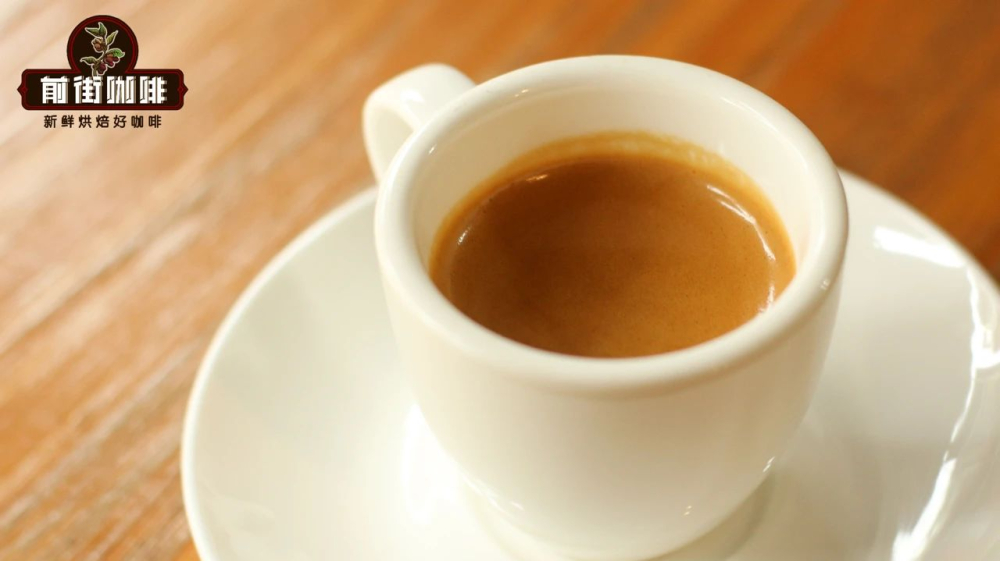
So, is Geisha suitable for making espresso? Traditionally, espresso is primarily made using dark-roasted beans or blends, aiming for a bold flavor and rich crema. However, with the rise of Single Origin Espresso (SOE), more and more baristas have started using high-quality single-origin beans, including Geisha, to brew espresso. That said, because Geisha’s flavors are naturally delicate and its acidity is bright, brewing it as espresso with a light roast can easily result in overly sharp or acidic profiles. Therefore, it is recommended to use a slightly darker roast and adjust grind size and extraction parameters to bring out its rich complexity.
In practice, this coffee brand tends to highlight Geisha’s unique flavors through pour over brewing, especially the Blue Label or Green Label Geisha, which can showcase distinct floral, citrus, honey, and tea-like notes. If brewed as espresso, stricter control over the roast curve and extraction time is required; otherwise, its lack of body and thin mouthfeel may become more apparent. Additionally, Geisha’s sweetness is usually less pronounced under washed processing compared to natural processing, making it more suitable for enjoyment via the nuanced flavors of pour over brewing.

In summary, Panama’s Geisha is undoubtedly a standout in the specialty coffee realm, with unique expressions whether brewed via pour over or espresso. However, due to its delicate flavors and bright acidity, pour over better highlights its layered floral and fruity acidity, while espresso requires more precise roasting and brewing techniques to avoid issues like excessive sharpness or lack of body. For coffee enthusiasts, trying different brewing methods is the best way to fully appreciate the charm of Geisha.
The above content is compiled by CoffeeHunters, a coffee news website.


