







Introduction:As the primary Arabica variety cultivated domestically, Yunnan small-grain coffee has gradually garnered market attention due to its unique flavor profile and geographical conditions. This article delves into the origins, development history, quality status, and actual standing of Yunnan small-grain coffee in the international market, helping readers gain a comprehensive understanding of this often misunderstood coffee and recognize its true value.
Yunnan small-grain coffee, belonging to the Arabica species, is characterized by its delicate beans, bright acidity, and rich floral and fruity aromas, making it a representative variety of China’s domestic coffee cultivation. If you enjoy the layered flavor profiles in pour over coffee, exploring Yunnan small-grain coffee will open up a new perspective for you.
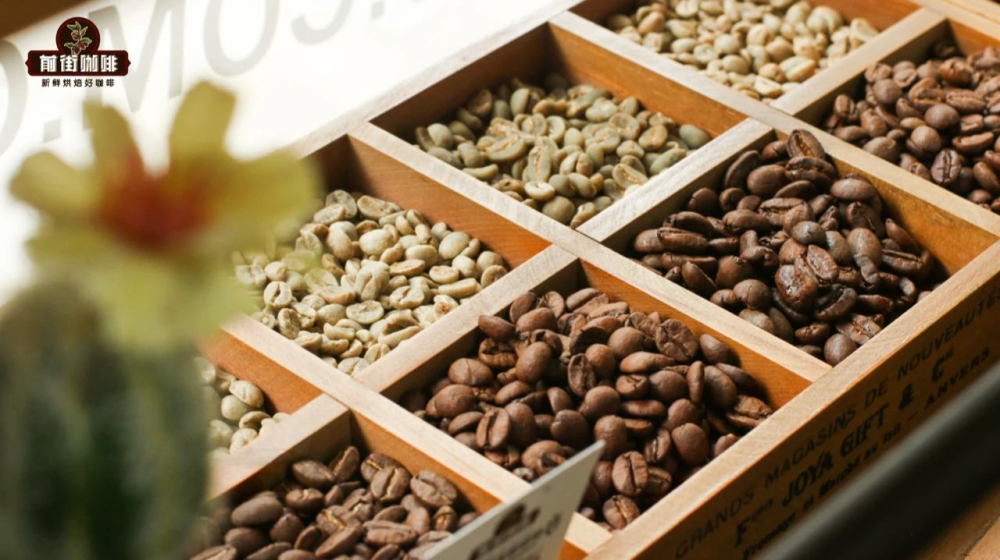
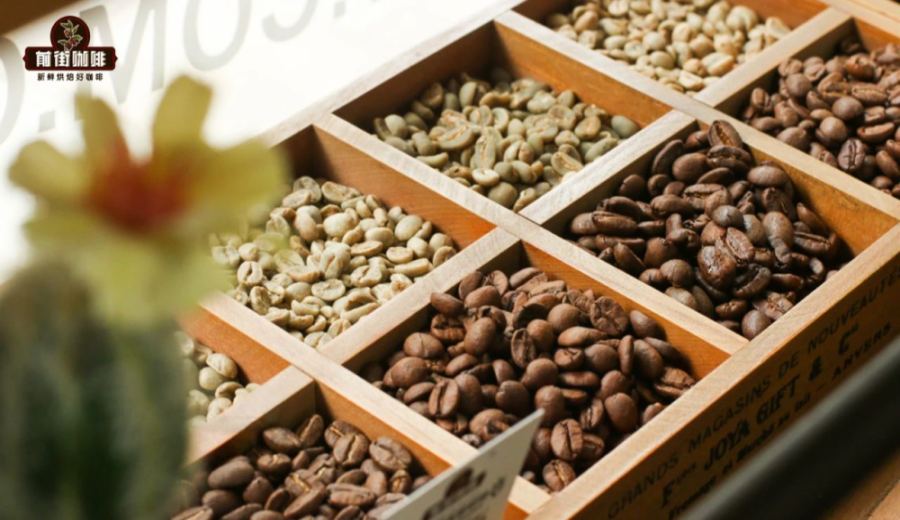
The term “small-grain” is actually a colloquial reference to Arabica coffee beans. Compared to other varieties such as Robusta, small-grain coffee beans are generally more compact and slightly smaller in size, with flavor profiles that emphasize brighter acidity and greater aromatic diversity. Originally from the highlands of southwestern Ethiopia in Africa, Arabica was further cultivated in the Arabian Peninsula and serves as an important foundation for today’s global specialty coffee.
Tracing the origins of world coffee, everything began in the highland regions of southwestern Ethiopia in Africa. The most widely circulated story tells of a shepherd who noticed his sheep becoming unusually excited after eating certain red fruits—this marked the beginning of the coffee legend. Subsequently, coffee entered the Arab world, particularly taking root in Yemen, where it became an indispensable element of religious and social life, and gradually spread to Europe and around the globe.
As for the introduction of Yunnan small-grain coffee, it can be traced back to the 18th year of the Guangxu reign during the Qing Dynasty (1892). It was brought to China by French missionary Father Timothée Tschang, with its first stop being Zhukula Village in Dali, Yunnan. Surprisingly, to this day, the village still has over 24 coffee trees nearly a hundred years old standing firmly, witnessing a century of planting history.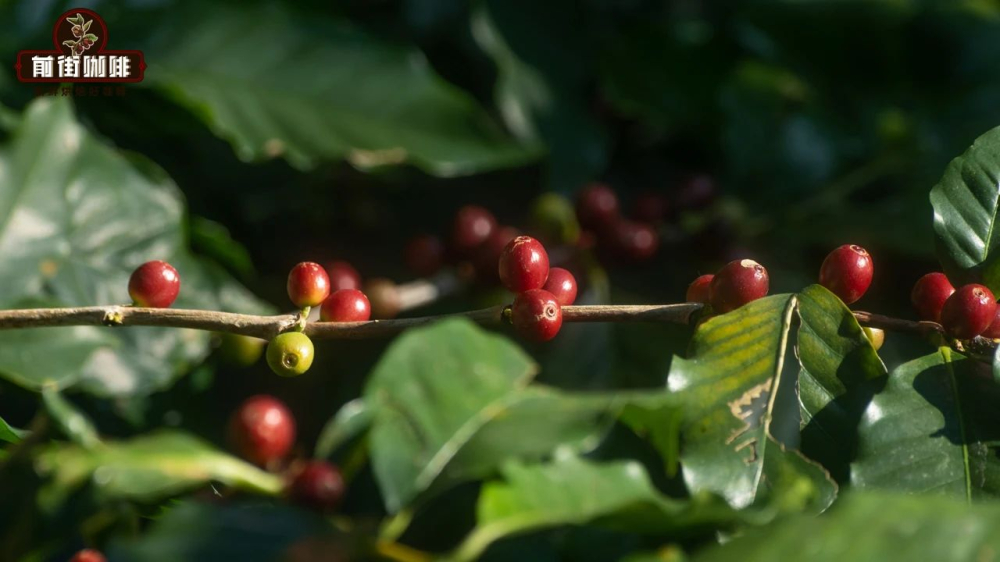
Although there were earlier attempts at introduction in Hainan in 1908, they were not successful due to limitations in climate and soil conditions. It wasn’t until 1952, when agricultural researchers in Yunnan brought back over 70 kilograms of fresh coffee cherries from Longxianzhai in Dehong Prefecture and successfully trial-planted them in Ludian Dam, Baoshan, that the modern development of Yunnan small-grain coffee truly began. By the late 1980s, with the entry of international brands such as Nestlé, large quantities of the Catimor variety were introduced, further driving improvements in local planting scale and techniques. According to official statistics, in 2017, Yunnan’s total coffee output reached 136,000 tons, accounting for over 95% of the national total, making it the undisputed leading coffee-producing region in China.
However, in the minds of many consumers, the image of Yunnan small-grain coffee is often defined by instant products. Many people’s first experience is with overly sweet, artificial-tasting “three-in-one” instant coffee or simply packaged freshly ground beans sold at tourist souvenir stalls, lacking refined processing or clear flavor profiles. As a result, Yunnan coffee is often misunderstood as “not fragrant enough” or “not mellow enough,” even being labeled as a symbol of “low-end coffee.”
On the international market, the status of Yunnan coffee is also not as prominent as its production volume would suggest. Although it has won some international awards, in procurement, Yunnan green beans are often priced at least20 centslower than the international futures price, far below the bargaining power of well-known producing regions such as Colombia, Ethiopia, or Brazil. This price disparity leads many high-quality Yunnan beans to be shipped overseas, repackaged, and then re-imported to the Chinese market under the label of “imported coffee,” creating a paradoxical cycle.
In fact, after more than a century of varietal improvement and advancements in cultivation techniques, the quality of Yunnan small-grain coffee has improved significantly. Under suitable altitudes, precise harvesting, and post-harvest processing methods (such as washed, natural, or honey processing), many Arabica beans produced in Yunnan regions have the potential to rival their international counterparts. Especially in areas like Ludian Dam, Pu’er, and Baoshan, situated between 1,200 to 1,800 meters in altitude, carefully cultivated Yunnan coffee often showcases bright lemon acidity, wine-like aftertastes, and delicate floral and fruity notes.
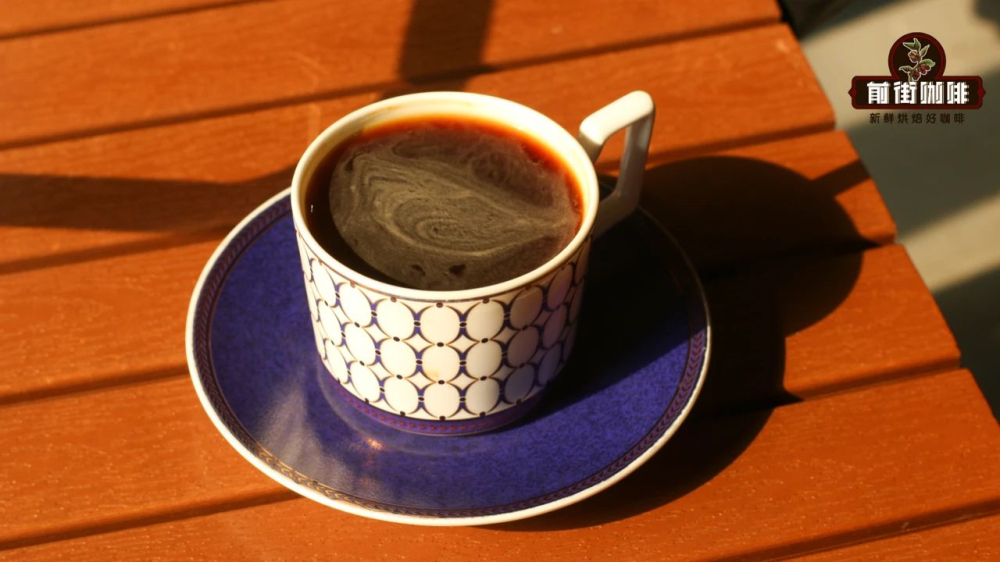
If you’re a pour over enthusiast, try selecting medium-to-light roasted beans from Yunnan’s high-altitude regions processed using the washed method. Usewater at 90–93°C, a1:15 coffee-to-water ratio, and a medium-fine grind (similar to the texture of fine sugar). Employ a “center pour → spiral expansion” brewing method, controlling the extraction time to within2 minutes to 2 minutes and 30 seconds, and you may discover the subtle nuances and layers of Yunnan small-grain coffee that are often overlooked.
In summary, Yunnan small-grain coffee is not only the cornerstone of China’s coffee industry but also an integral part of the global coffee supply chain. Through deeper understanding and tasting, you’ll rediscover this often underestimated coffee and uncover its historical depth and flavor potential.
The above content is compiled by CoffeeHunters, a coffee news website.


