







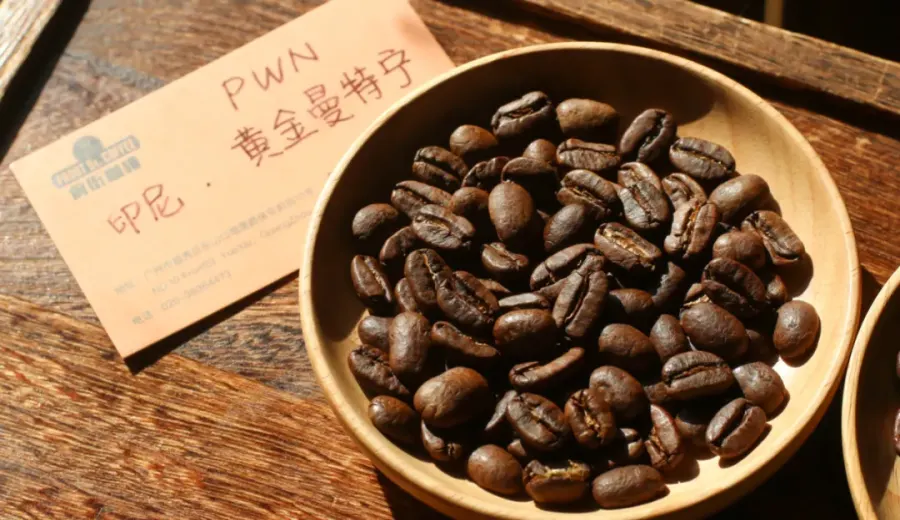
Introduction:Indonesia’s Mandheling coffee comes in a wide variety of types, with significant differences in grade and processing methods, often leaving consumers unsure of how to choose. This article takes an in-depth look at PWN’s Golden Mandheling, exploring everything from the wet-hulling process and green bean grading standards to how PWN carefully selects high-quality beans—helping you understand why Golden Mandheling has become a representative of specialty coffee. It also includes a cupping comparison between Lintong Mandheling and Golden Mandheling, along with practical pour over parameters, making it ideal for enthusiasts who want to dive deeper into Indonesian coffee.
When it comes to Mandheling, many coffee lovers are familiar with the name, but it’s actually a general term for Indonesian coffee, encompassing a diverse range of products with varying processing methods and flavor profiles. Many consumers have tried various types but still lack a clear understanding of the characteristics and distinctions among them. This article focuses on PWN’s Golden Mandheling to help you explore the unique wet-hulling process of Indonesian coffee, the green bean grading system, and how PWN achieves high-quality beans through rigorous selection—unveiling the key reasons why Golden Mandheling is regarded as a specialty coffee representative.
What is PWN Golden Mandheling?
Among the many Mandheling products, PWN (Pawani Coffee Company) can be considered a key player in promoting specialty Mandheling. This company specializes in sourcing outstanding batches of green beans from local Indonesian producers, incorporating only those that meet high standards into its offerings. As a result, most Mandheling beans produced by PWN already qualify as specialty grade. Originally a Chinese-Indonesian family business engaged in export trade, PWN is headquartered in Medan, the main port of Sumatra. Since 1957, it has been involved in exporting goods such as rubber, spices, and coffee beans—including the export of Sumatran coffee beans to Japan.
The Uniqueness of Golden Mandheling
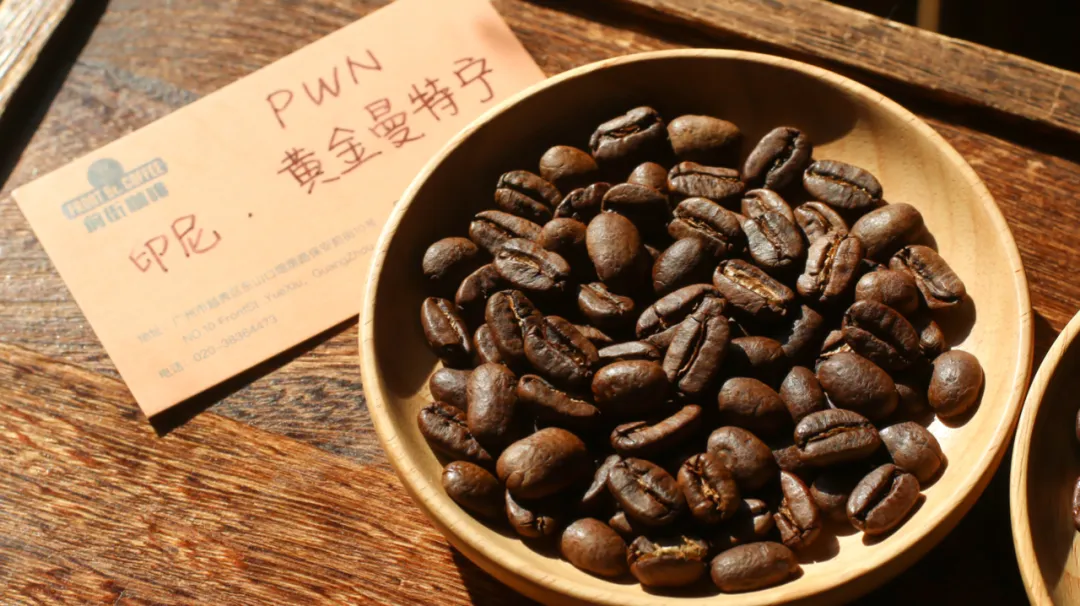
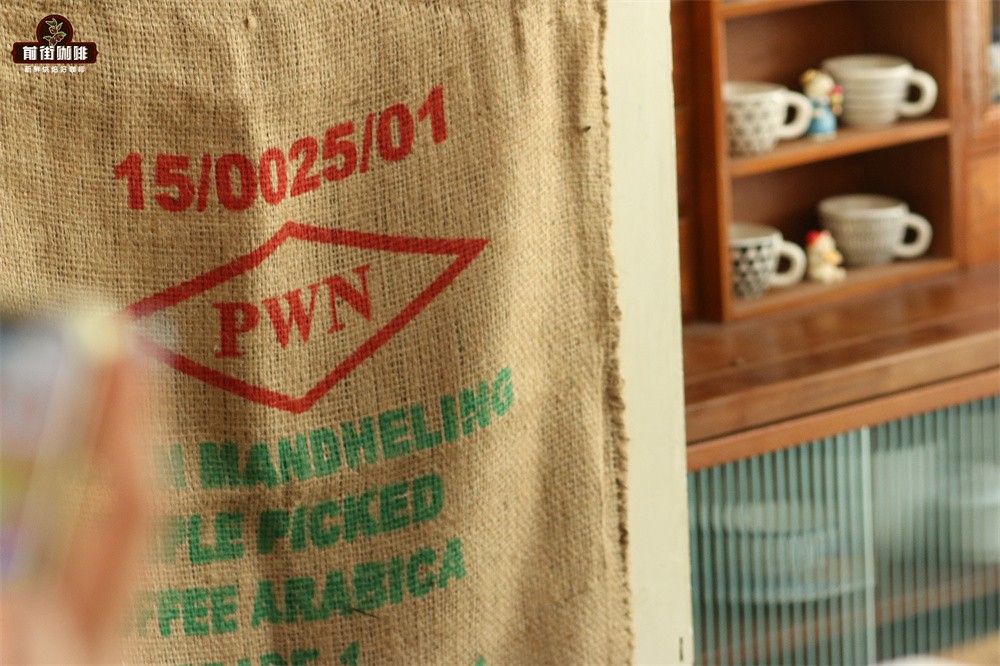
While the market offers a wide array of Mandheling products, only “Golden Mandheling” produced in specific regions is considered the authentic version. This name has been registered as a trademark by the relevant authorities, and other brands are not permitted to use it. To identify genuine Golden Mandheling, look for the official logo on the jute sack of green beans and the accompanying signed certificate of origin. Both of these important documents are displayed in-store.
An Overview of Indonesia’s Wet-Hulling Process
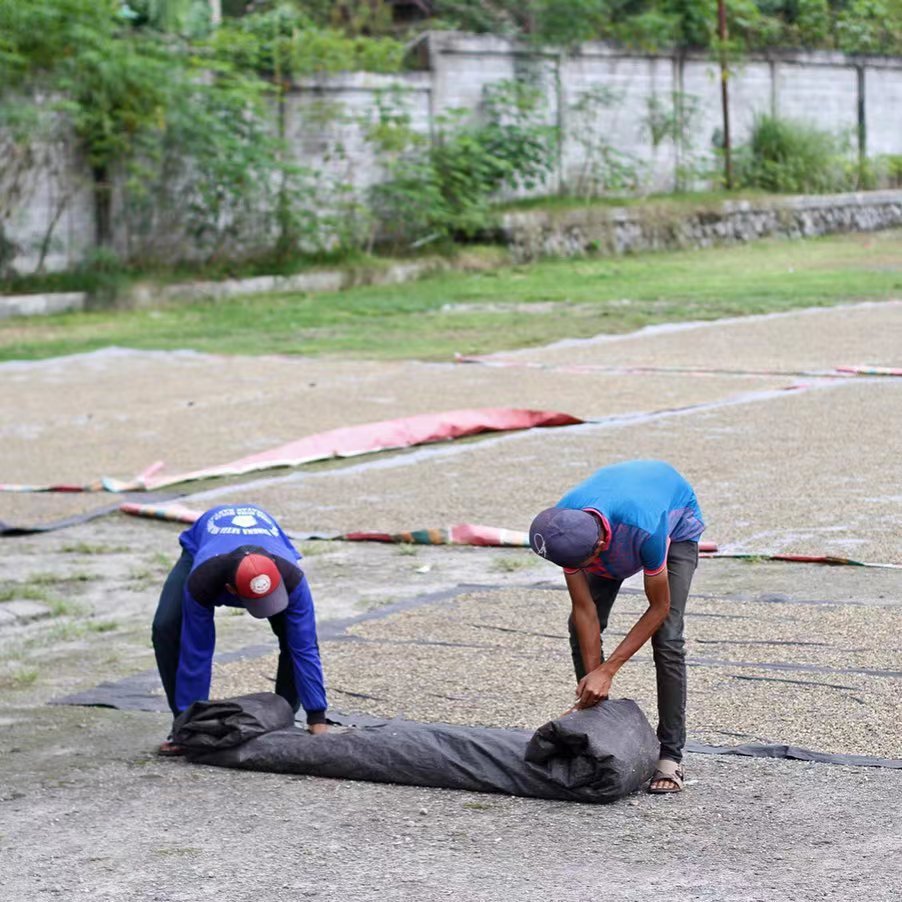
The wet-hulling method is by far the most common processing approach for Indonesian coffee, closely tied to the region’s humid and rainy climate. With an average annual humidity of 70–90%, rainfall exceeding 2000 mm, and frequent typhoons, achieving the 2–3 week sun-drying process typical in Africa is nearly impossible. Traditional washed processing, while producing high-quality results, is time-consuming and labor-intensive, requiring significant water resources—making it too costly for Indonesia’s production-focused industry. As a result, the region developed its own uniquewet-hulling (wet hulling)method.
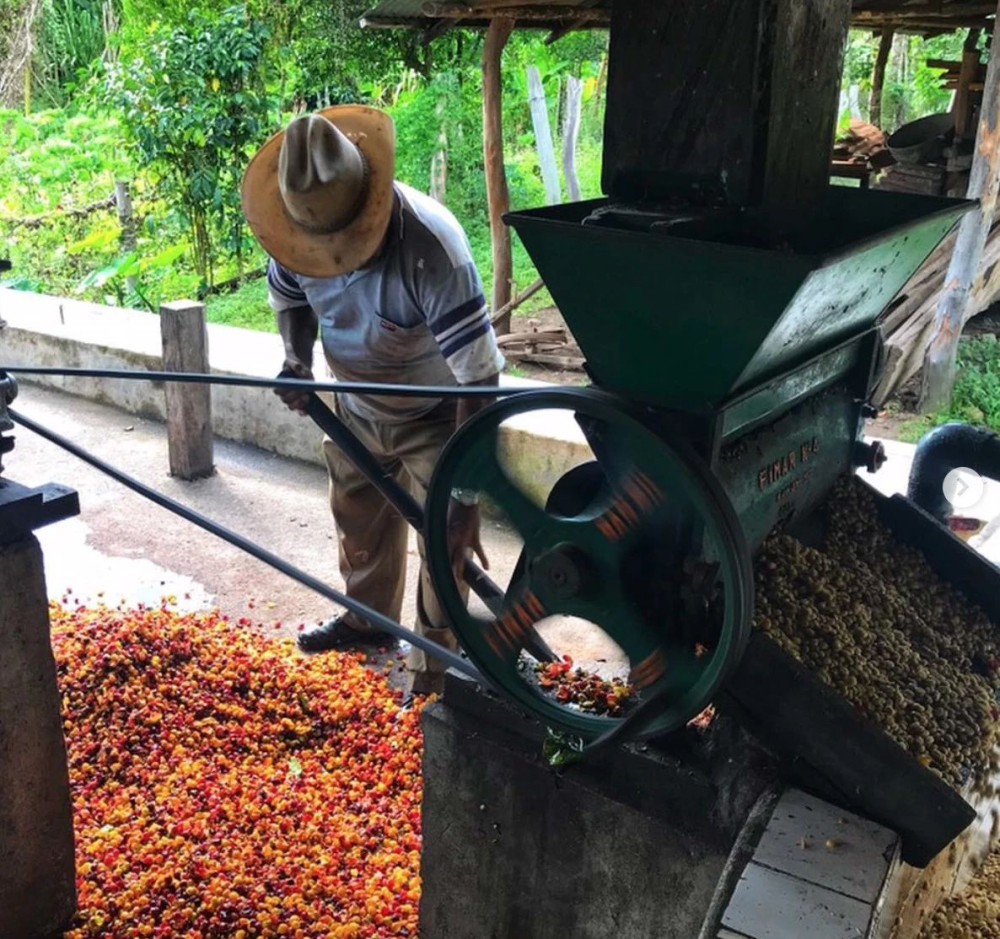
This process involves briefly fermenting the coffee cherries after removing the skin and pulp, then scrubbing off some of the mucilage. The parchment-covered beans are then partially dried to reduce moisture content to around 30–40%, a process that typically takes 2–3 days, after which the semi-dry beans are sold to buyers. The buyers then use machines to remove the parchment. Because the beans are not fully dry at this stage, the friction during hulling often damages the bean surface, resulting in the so-called “elephant ear” or “sheep hoof” beans, with a grayish-green color. Once hulled, the moisture content of the green beans quickly drops to 12–13%, making them ready for packaging and export.
However, while the wet-hulling method improves efficiency, it also comes with a higher rate of defects. Therefore, manual sorting is required before export, and beans are graded based on the number of defects. The highest grade isG1Grade 1 (with fewer than 11 defects per 300 grams of green beans). Commonly seen designations such as DP (double picked) and TP (triple picked) indicate more stringent sorting processes and relatively higher quality.
Indonesia’s Green Bean Grading Standards
Indonesia’s green bean grading is primarily based on the number of defective beans, supplemented by bean size. Basic requirements include being free of live insects, mold, having a moisture content not exceeding 12.5%, and an impurity rate below 0.5%. Green beans are divided into six grades,with Grade 1 being the highest. Most commercially available regular Mandheling beans fall under Grade 1, processed using the wet-hulling method and showcasing the classic flavor profile of Indonesian coffee.
PWN raises the bar even further, selecting onlyGrade 1 beans that are 18 mesh or larger, with fewer than 3 defects in a 300g sample, and subjecting them to one machine sort and three rounds of hand sorting to ensure uniform bean shape and size. Additionally, PWN performs density and color screening before packaging to ensure the final Golden Mandheling product has a more consistent appearance.
Brand Protection for Golden Mandheling
It’s worth noting that the name “Golden Mandheling” was registered as an English trademark earlier by the relevant authorities than by any Japanese brand. As a result, only the beans produced by this entity can be called genuine Golden Mandheling; those produced elsewhere must use different names—for example, the Japanese version is called “Dingshang Mandheling.” Consumers can identify authentic beans by the official logo on the green bean sacks and the accompanying certificate of origin, both of which are also publicly displayed in-store.
Flavor Profile and Cupping Comparison
To highlight the herbal and spicy characteristics unique to Mandheling, roasters opt for a medium-to-dark roast to preserve a rich aromatic profile. In cupping sessions, Lintong Mandheling and Golden Mandheling were compared. The former exhibits intense aromas of chocolate, brown sugar, and nuts, with a lingering herbal freshness.
Golden Mandheling, on the other hand, presents a complex dry aroma of pine, nuts, spices, and herbs. Upon pouring water, it releases sweet notes of licorice and caramel. The cup delivers a balanced combination of dark chocolate, nuts, and spices, with a clean overall flavor, pronounced aftertaste, and excellent body.
Recommended Pour Over Parameters for Golden Mandheling
If you’d like to brew Golden Mandheling at home, the following parameters are recommended to bring out its full body and sweetness:
- Water temperature: 87–88°C
- Coffee dosage: 15 grams
- Coffee-to-water ratio: 1:15
- Filter: KONO filter
- Grind size: Medium-coarse (approximately 70% passing through a Chinese standard No. 20 sieve)
Brewing steps(three-pour method):
- First pour (bloom): Pour 30 ml of water to fully saturate the coffee grounds, aiding in degassing and preparing for subsequent extraction.
- Second pour: Pour 100 ml, which helps produce a golden crema and increases puck tension.
- Third pour: Finish with a gentle 95 ml center pour to enhance sweetness and overall balance.
The above content is compiled by CoffeeHunters, a coffee news website.


