







Introduction:In recent years, specialty coffee has become a major trend, with single-origin espresso (SOE) beans gradually becoming the new favorite for espresso. However, SOE is not just a synonym for single-origin—it refers to beans carefully selected to suit the high-temperature, high-pressure extraction of espresso. This article delves into the definition of SOE, explores how origin, roast level, and processing method influence the final flavor, and provides practical suggestions on adjusting coffee-to-water ratio, grind size, and extraction time to help you brew a well-balanced, layered SOE Americano or latte with sweet and acidic harmony.
As specialty coffee culture continues to rise in Taiwan and Hong Kong-Macao, many consumers are beginning to explore single-origin coffee beans from around the world. Not only do café menus often feature detailed origin information, but some shops even offer traceable single-origin batches. Among them, espresso made with single-origin beans—known as SOE (Single Origin Espresso)—is gaining increasing favor among coffee enthusiasts.
However, SOE is not simply about using the same single-origin beans typically used for pour over in an espresso machine. The high temperature and pressure can amplify the aroma and flavor characteristics of the beans several times over. Choosing the wrong beans or using incorrect extraction parameters may result in an Americano that is overly sharp or a latte that is bitter and hard to drink. Understanding the basic definition of SOE and mastering the key factors that affect its performance are essential knowledge for any coffee lover aiming to refine their skills.
In the past, most cafés primarily used dark-roasted blends for espresso, resulting in flavors that were bold but relatively one-dimensional. But as the market diversifies, consumers are seeking more distinctive options, hoping to showcase the unique regional and processing flavors through single-origin beans. The emergence of SOE is designed to meet this demand for “individuality” and “flavor clarity.”
So, what exactly is true SOE? Simply put, SOE refers to espresso made using beans from a single origin, with the emphasis on “single origin”—meaning the coffee’s cultivation location, variety, and post-harvest processing all come from the same region. For example, if you use Ethiopian Yirgacheffe beans to make espresso, then that shot can be called “Yirgacheffe SOE”; if you switch to Blue Mountain No. 1, it becomes “Blue Mountain SOE”; and even if you opt for the premium Geisha variety, you can produce a “Geisha SOE latte.”
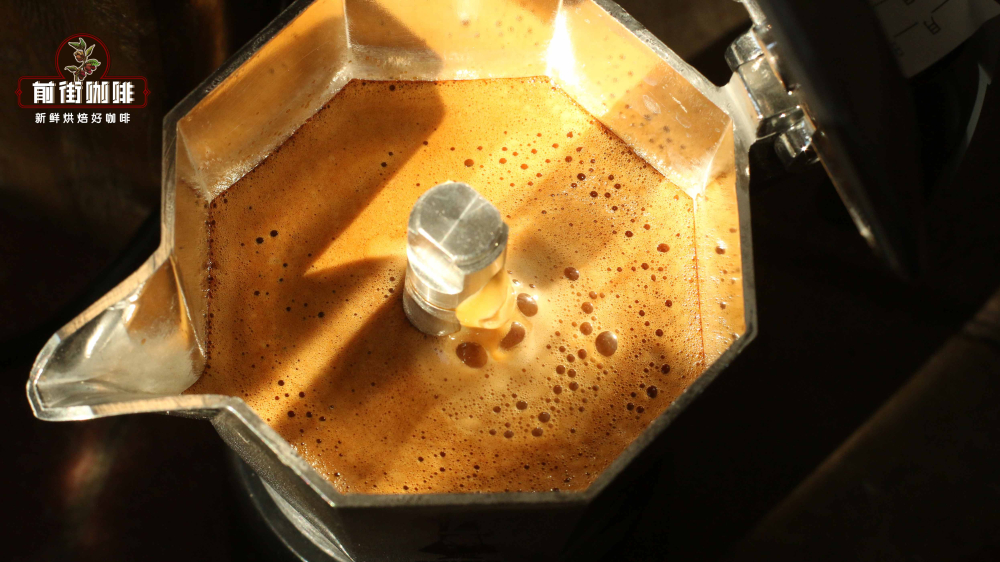
However, making a satisfying SOE with single-origin beans isn’t as simple as picking any bean. Because espresso machines operate under extremely demanding conditions—where hot water at high pressure passes through a very finely ground puck in just 25 to 35 seconds—it amplifies all the flavor characteristics of the beans, both good and bad. Therefore, selecting the right beans and matching them with the appropriate roast level is crucial.
A common issue is that using a lightly roasted single-origin bean may extract excessive sharp acidity, but lack sufficient aromatic concentration. Conversely, an overly dark roast can easily produce excessive burnt bitterness and carbonized flavors, stripping the coffee of its complexity. Thus, choosing suitable beans for SOE requires consideration of three key elements: origin, roast level, and processing method.
For those who prefer a bright, sweet-and-acidic profile, naturally processed beans from African origins are usually a great choice—such as Ethiopia’s Sidamo, Yirgacheffe, and Guji regions. These beans often exhibit pronounced floral, citrus, and berry aromas, along with relatively high sweetness. However, these beans are typically light to medium-light roasted, originally intended for pour over, cold brew, or siphon brewing. Using them directly for espresso may lead to under-extraction, insufficient crema, or unstable flow.
To address such needs, many specialty cafés adjust their roast profiles specifically to suit the high-temperature, high-pressure environment of espresso extraction. For instance, certain Ethiopian natural beans designed specifically for SOE undergo tailored roasting to deliver more complete aromas and balanced sweet-acid profiles in the espresso.
If you prefer coffee with rich fruity notes and moderate sweetness, consider beans from high-altitude regions in Central and South America—such as Colombia, Panama, Costa Rica, Guatemala, and Peru. To highlight their sweet and caramel-like qualities, beans from these areas are often medium roasted, making them not only suitable for pour over but also performing well in SOE espresso.
Additionally, if you want to further enhance fruity and fermented notes, prioritize single-origin beans that use special processing methods such as natural, honey, or anaerobic natural. These methods impart richer aromatic layers to the beans—such as blueberry, passion fruit, citrus, and even complex notes like milk candy and nuts. Adjusting extraction parameters appropriately can make these characteristics even more prominent.
Of course, if you are more sensitive to acidity or prefer low-acid, full-bodied coffee, medium-dark to dark roasted beans from Asia and parts of South America are also good choices. For example, Brazil Cerrado or certain estate beans from South America, when properly roasted, often deliver smooth, low-acid, and well-rounded body—making them ideal for latte lovers or those who prefer milk-based coffee.
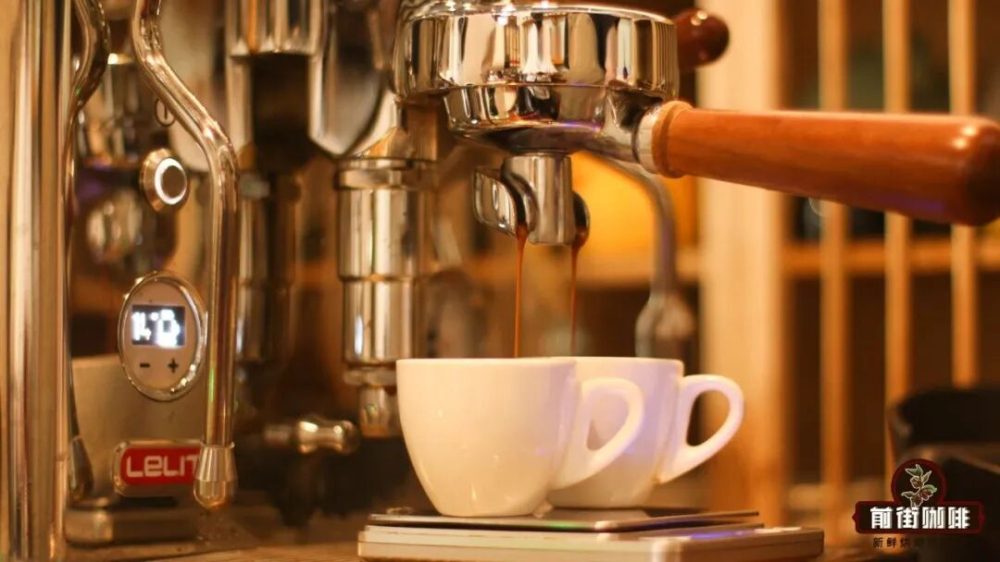
To brew a delicious SOE, in addition to selecting the right beans, adjusting extraction parameters is key. Generally, it’s recommended to start with a “coffee-to-water ratio of 1:2” and control the extraction time between 25 and 35 seconds, with grind size adjusted based on flow rate.
For example, if you use 20 grams of coffee grounds and aim to extract 40 grams of espresso, a short extraction time (under 25 seconds) indicates the grind is too coarse and should be adjusted finer; if the extraction time is around 30 seconds, it usually means the grind size is appropriate. These baseline parameters ensure a balanced coffee concentration and aroma, laying a solid foundation for adding milk or preparing an Americano later.
Once the SOE shot is complete, you can further fine-tune parameters based on the type of coffee you’re making next—Americano, latte, or flat white—to enhance or mellow specific flavors. For instance, for a medium-light roasted Ethiopian SOE with pronounced floral and fruity acidity, if you find the crema thin, consider adding 0.3 to 0.5 grams of coffee to boost aromatic intensity and overall performance. This results in a crisper, sweeter taste for the Americano, while the higher coffee concentration in the latte blends more harmoniously with milk.
Conversely, if you’re using beans with fermented or intense fruity notes, you can moderately increase the yield by 3 to 5 grams to enhance sweetness and aftertaste. For lattes, you might also consider reducing the milk ratio to let the unique aromas of the single-origin beans shine more prominently.
Finally, if you’re using medium-dark to dark roasted beans and notice obvious negative flavors such as burnt, smoky, or hay-like notes, it may be due to over-extraction. In this case, reducing the yield by 3 to 5 grams can help minimize undesirable aftertastes. If the coffee aroma is weak, the acidity is too high, and the finish is short, it may indicate under-extraction. In this situation, try adjusting the grind finer and extending the extraction time by 2 to 3 seconds to achieve a more balanced flavor.
The above content is compiled by CoffeeHunters, a coffee news website.


