







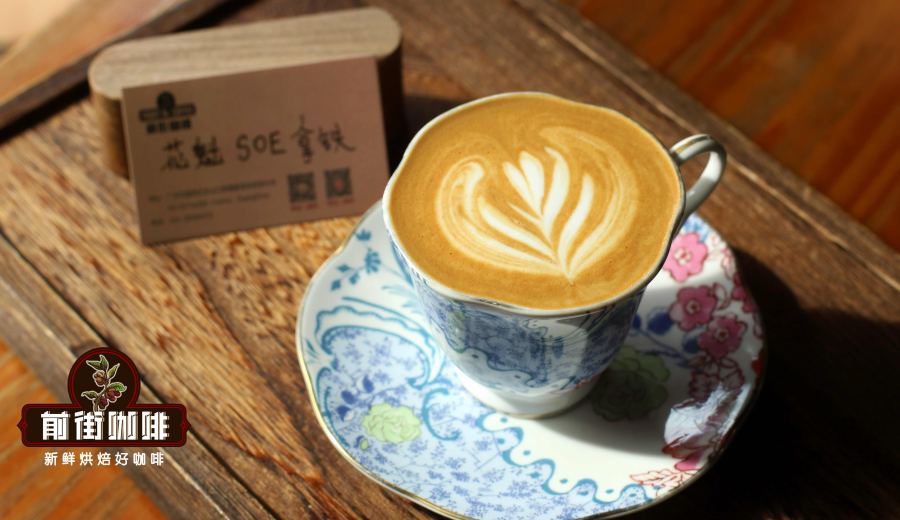
Introduction:Have you ever been puzzled by SOE lattes or SOE Americanos on a café menu? Is SOE the same as single-origin black coffee? This article delves into the definition of SOE (Single Origin Espresso), compares it with traditional blended beans, explores key extraction points and common challenges, and recommends three practical and flavorful Italian-style SOE coffee beans to help you better grasp bean selection and brewing directions.
When you walk into a coffee shop, items like SOE latte or SOE Americano on the menu actually hide quite a bit of coffee knowledge. Simply put, SOE refers to an espresso made using single-origin coffee beans, which is then used as the base for making lattes or Americanos. These drinks are intentionally distinguished from common blends, emphasizing that the beans come from a single origin. The full English name is Single Origin Espresso, which literally translates to “single-origin espresso.”
Generally speaking, blends combine beans from different regions to complement each other’s strengths and weaknesses, and are commonly used in espressos that aim for balanced flavors. High-quality blends often deliver a rich mouthfeel, delicate crema, and complex aromatic layers. Classic blends, dark chocolate blends, and strawberry sugar blends, for example, are daily go-to choices for many baristas.
In contrast, SOE amplifies the inherent characteristics of single-origin beans. If the beans are naturally acidic, using SOE will make the acidity more pronounced; if they are bitter, the bitterness will also stand out, especially in light roasts. When extracted properly, SOE can showcase bright fruity notes or sweet caramel tones; but if the technique or bean selection is off, it may result in sharp acidity or a thin flavor, losing the layered complexity that espresso should have.
In reality, the principle behind making SOE isn’t complicated—it still involves using an espresso machine to extract espresso under high pressure, similar to blends. However, because only a single-origin bean is used, greater control over roast level, grind size, and extraction time is required, which is why it has become a challenging goal for many coffee enthusiasts to master.
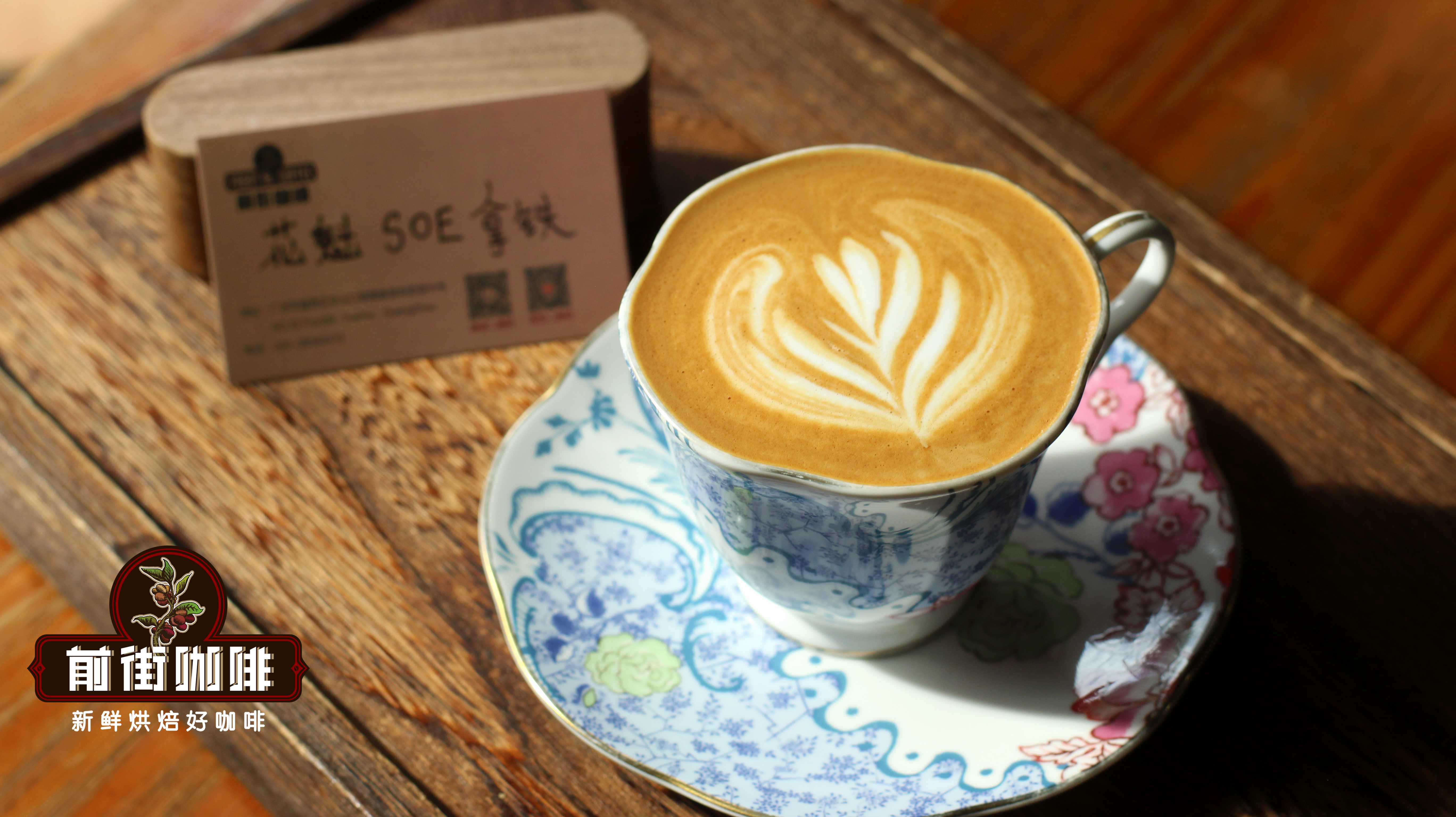
If you’d like to try SOE, it’s recommended to start by selecting single-origin beans suitable for espresso extraction. Below are three representative SOE beans, ideal for use as espresso bases—whether for SOE Americanos or lattes, each highlights distinct flavor profiles.
First up is the “Queen Estate SOE Coffee Beans,” a medium-dark roast from Brazil, the world’s largest coffee-producing country. This bean features dominant aromas of creamy peanut, nuts, and cookie, paired with a noticeable cane sugar sweetness. The overall mouthfeel is round and smooth, with low acidity. It’s not only great for lattes and Americanos but also works well with a moka pot, making it a reliable choice for beginners exploring SOE.
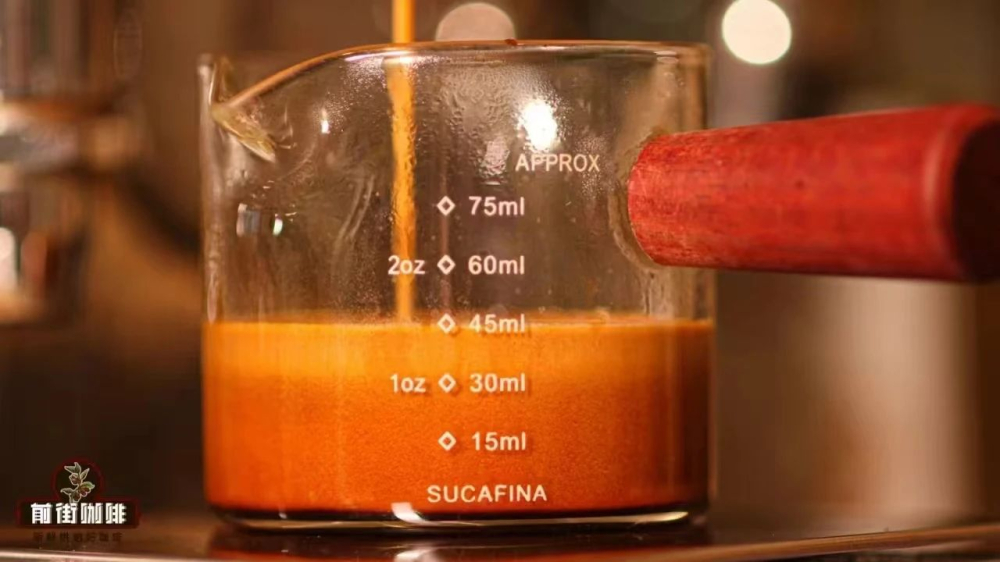
The second is the “PWN Golden Mandheling SOE Coffee Beans,” from Sumatra, a premium Indonesian representative. Its flavors are dominated by dark chocolate, maple syrup, spices, nuts, and pine, with a rich mouthfeel and moderate viscosity. This bean achieves a good balance between bitterness and sweetness, with almost no sharp acidity, making it highly suitable for those who dislike sour notes. It’s recommended for SOE lattes or Americanos.
The third recommendation is the “Hua Kui SOE Coffee Beans,” from Ethiopia in Africa, a classic high-altitude specialty bean from the region. Unlike its subtle fruity notes when brewed via pour over, Hua Kui as an espresso bean presents vivid orange blossom, berry, and citrus tones, with a well-balanced acidity and sweetness. It’s recommended to serve in smaller sizes, such as SOE Americanos or SOE Flat Whites, to better highlight its elegant and complex aromatic profile.
In summary, SOE is not the same as single-origin black coffee, but specifically refers to espresso made from single-origin beans, with the focus on how high-pressure extraction can bring out the unique characteristics of that origin. Whether you’re new to espresso or want to better understand how bean varieties influence flavor, choosing the right SOE beans and mastering extraction details are key to elevating your coffee experience.
The above content is compiled by CoffeeHunters, a coffee news website.


