







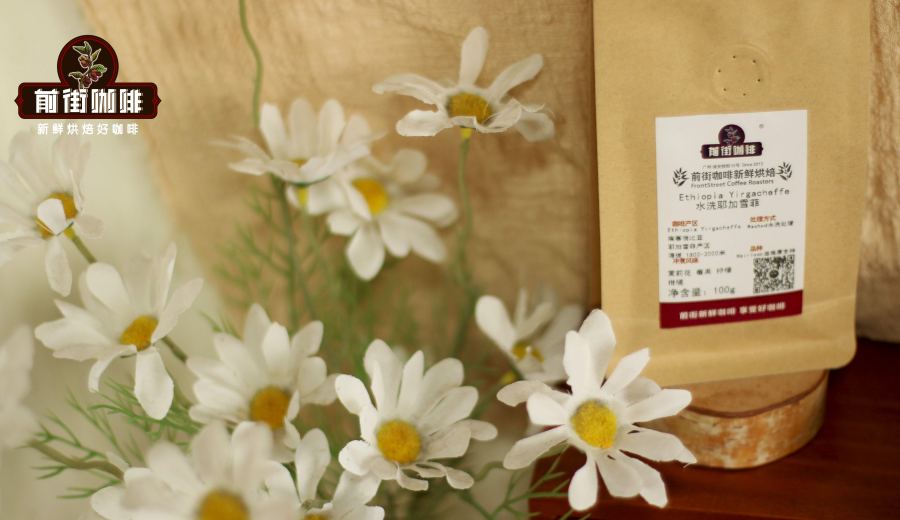
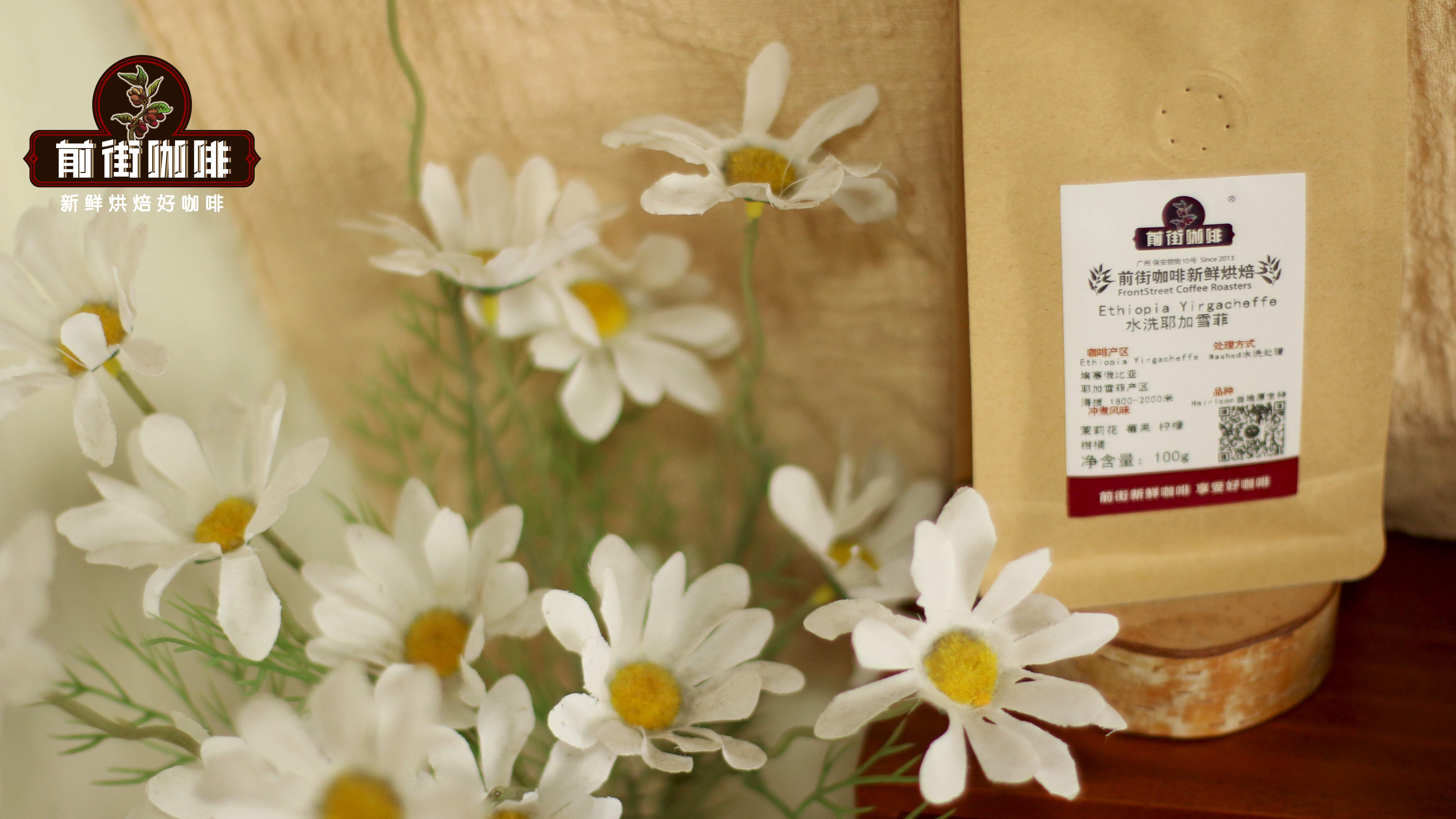
Introduction:Delve into how the unique terroir of the Yirgacheffe region shapes its bright acidity and floral-fruit aroma, and master practical techniques for brewing sun-dried red cherry SOE espresso. This article starts with regional characteristics and bean variety flavors, then gradually guides you through the brewing process for both Americano and latte, providing precise parameters such as coffee-to-water ratio and extraction time. Whether you’re a pour over beginner or an espresso enthusiast, you’ll find key details to elevate flavor complexity.
Yirgacheffe coffee completely reshapes the common perception that coffee is “inherently bitter” with its distinct citrus notes and tea-like acidity. Grown in Ethiopia’s high-altitude regions, these beans benefit from a unique environment of significant day-night temperature variation and rich phosphoric acid content, resulting in a refreshing and vibrant profile. The cup often carries a clean aftertaste reminiscent of lemon tea, completely breaking away from the heavy, charred notes of traditional dark roasts.
Many first-time specialty coffee drinkers are often amazed by its “juice-like brightness” — the acidity is not overwhelming but instead delivers an energizing yet smooth drinking experience. This contrast has quickly made Yirgacheffe a focal point in the market, especially sun-dried red cherry batches, which are highly sought-after for espresso brewing due to their pronounced fermentation notes and outstanding sweetness.
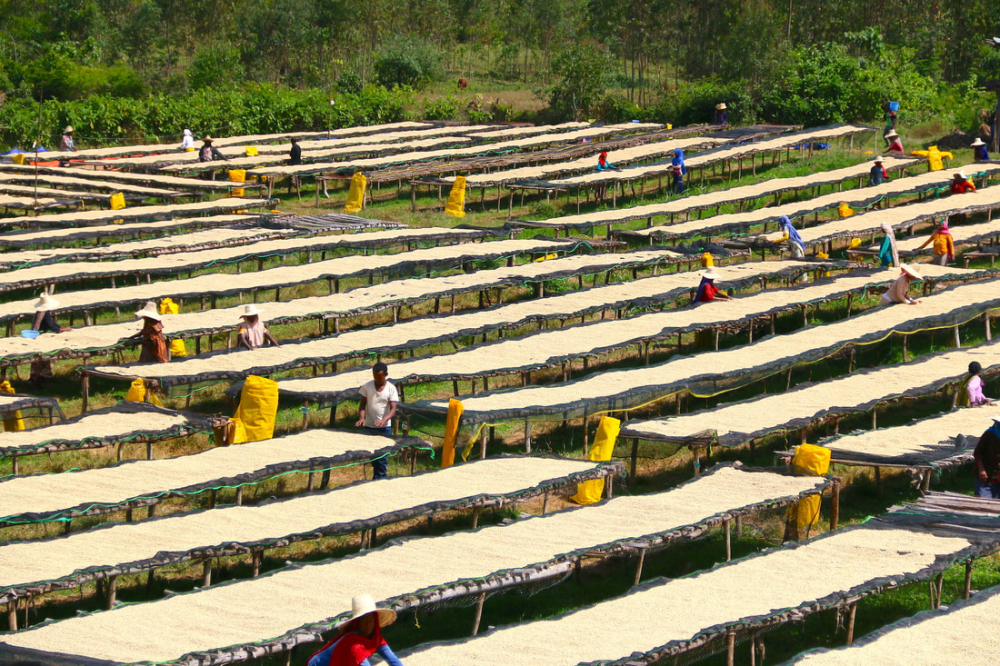
It’s important to note that the Ethiopian Commodity Exchange (ECX) has recently adjusted its classification criteria. Nowadays, “Yirgacheffe” is no longer strictly limited to a geographic region but is judged based on flavor profile. As long as the cupping reveals the region’s typical floral notes, lemon acidity, and tea-like finish, the beans can be categorized as Yirgacheffe even if the growing location varies slightly. This explains why there are various styles of Yirgacheffe beans on the market — from clean and bright washed versions to richly fruity sun-dried ones, each with its own distinct character.
For beginners, it’s recommended to start with washed Yirgacheffe, whose lower acidity and more affordable price make it suitable for practicing pour over or cold brew. If you’re already familiar with basic flavors, you can challenge yourself with washed Gedi cooperative G1 or sun-dried red cherry G1 — these higher-grade beans better showcase the essence of the region. Special note: if you plan to brew espresso, prioritize sun-dried red cherry SOE specifically designed for espresso machines. Its roast level and density are adjusted to withstand high-pressure extraction while preserving fruity layers.
Practical demonstration: Use this SOE to brew a juice-like espresso base. Recommended dosage is 20 grams, using medium-fine grind (about 70% through a 20-mesh sieve), maintaining a 1:2 coffee-to-water ratio, and strictly controlling the extraction time between 25 to 30 seconds, aiming to produce 40 grams of espresso. These parameters effectively balance sweetness, acidity, and body, avoiding overly sharp astringency from over-extraction.
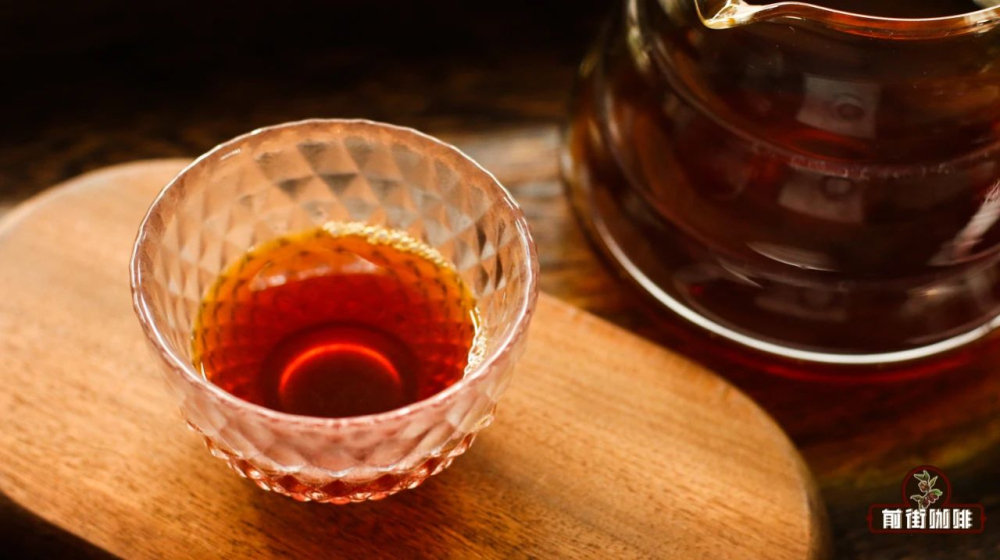
To make an Americano, dilute with warm water at a 1:4 ratio (40 grams of espresso + 160 grams of 92°C hot water). For an iced version, replace with 100 grams of ice + 120 milliliters of room-temperature water. Key detail: ensure the espresso has completed extraction before adding water to avoid dilution affecting the flavor structure. The final cup should exhibit bright berry-like acidity and sweetness, with a caramel-like smoothness in the aftertaste, delivering an overall soft and easy-drinking texture.
For an advanced variation like a latte, it’s recommended to use freshly steamed milk (with 3.2%-3.8% fat content being ideal), with a milk-to-coffee ratio of about 3:1 (120 milliliters of milk + 40 grams of espresso). Control the steam wand temperature between 60-63°C, create fine microfoam, and gently integrate. The acidity will artfully complement the milk aroma, leaving a honey-like lingering finish.
Common pitfalls reminder: too short an extraction time can lead to sharp, unbalanced acidity, while too long can bring out bitterness. Espresso grind should be finer than pour over, but over-fining can cause channeling. It’s advised to adjust one variable at a time (such as grind size or extraction time), and record the changes to find the optimal balance.
The above content is compiled by CoffeeHunters, a coffee news website.


