







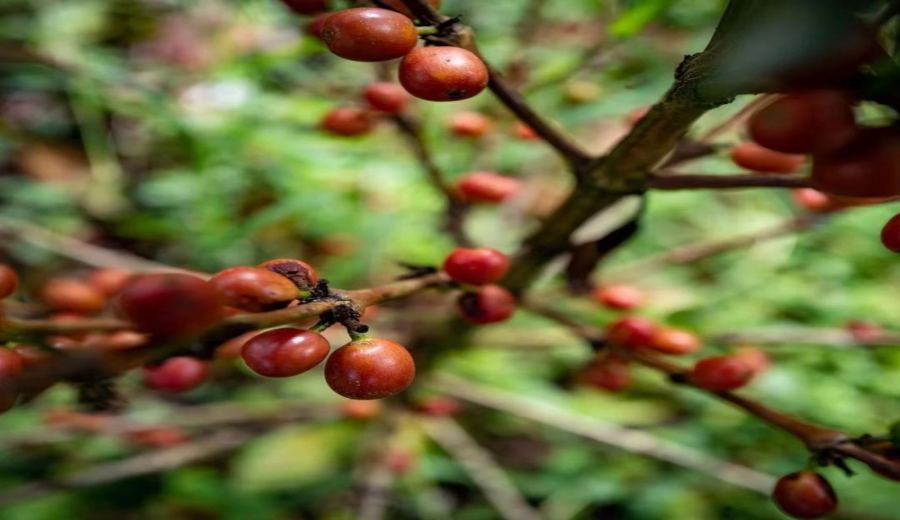
Introduction:Pink Bourbon is an extremely rare member of the Bourbon family, boasting delicate floral aromas and fruity sweetness. However, due to its limited production and indistinguishable appearance, it has long remained relatively unknown. This article delves into the genetic origins of Pink Bourbon, the challenges of its cultivation, and highlights the flavor profiles from its two major growing regions—Colombia and Guatemala. Additionally, it reviews the historical journey of the Bourbon variety from Réunion Island to the rest of the world, as well as the differences between common strains such as Red Bourbon and Yellow Bourbon. Finally, practical V60 pour-over brewing tips are provided to help you fully showcase the multi-layered flavors of this specialty bean.
Pink Bourbon is an exceptionally rare member of the Bourbon family, resulting from a cross between Yellow Bourbon and Red Bourbon. However, due to the interference of recessive genes, its yield is extremely low, and for a long time, it was rarely known to the public. This article will provide a detailed introduction to the growing conditions and varietal lineage of Pink Bourbon, explore its current cultivation status and cupping flavors in Colombia and Guatemala, and trace the historical spread of the Bourbon variety from Réunion Island to the rest of the globe. It also covers the characteristic differences between common variants such as Red Bourbon and Yellow Bourbon. The article includes V60 pour-over recommendations to help you better highlight the bright and layered flavors of Pink Bourbon.
Growing Challenges of Pink Bourbon
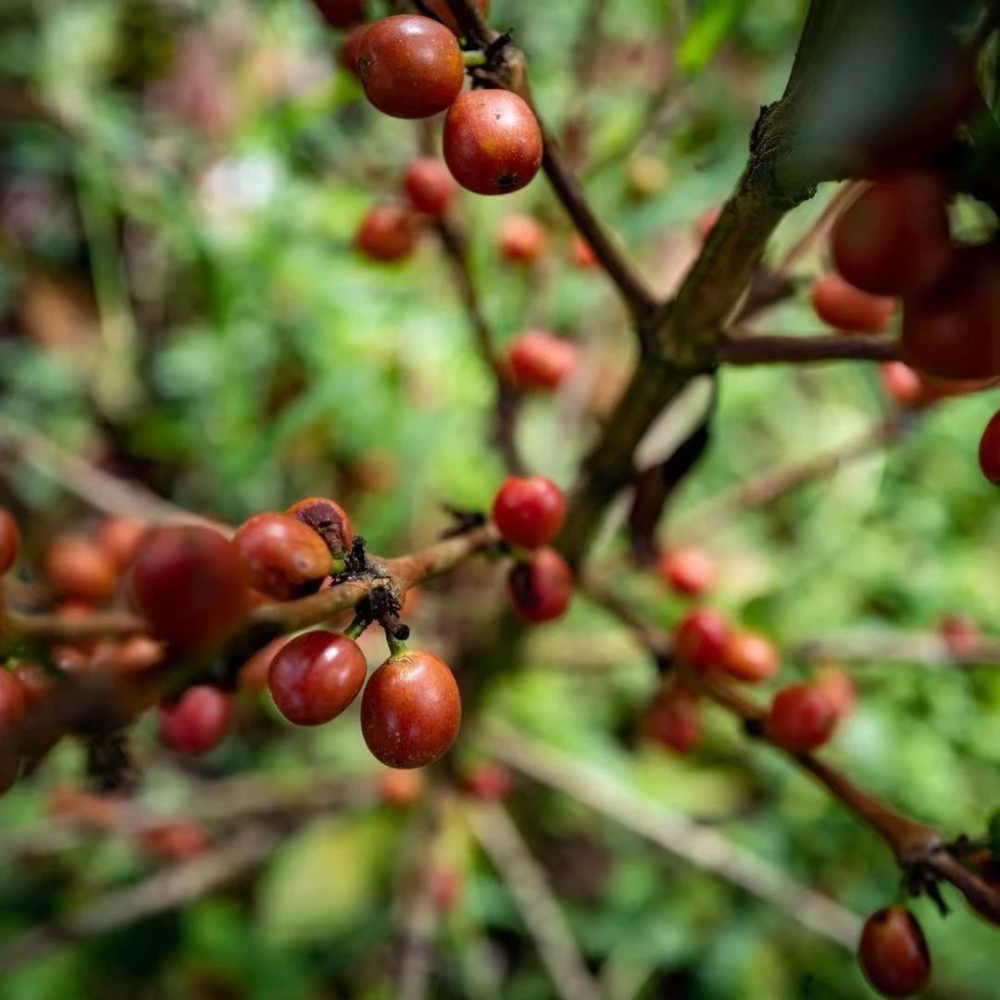
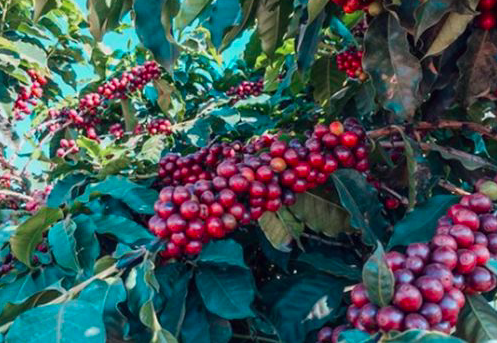
Pink Bourbon is a hybrid of Yellow Bourbon and Red Bourbon, known for its excellent disease resistance and outstanding flavor performance. However, due to its higher coffee bean density, its yield is extremely limited, and it is typically grown in high-altitude mountain environments ranging from 1500 to 2000 meters above sea level. Cultivating Pink Bourbon requires extremely meticulous management and is demanding in terms of environmental conditions. The biggest challenge lies in the harvesting stage: since both the yellow gene from Yellow Bourbon and the red gene from Red Bourbon are recessive, they tend to interfere with each other, making the appearance of Pink Bourbon unstable. Furthermore, it closely resembles unripe Red Bourbon, often leading to harvesting confusion, which is one of the main reasons for its rarity.
Origin and Regional Performance of Pink Bourbon
Pink Bourbon was first cultivated by a Colombian farmer named Gabriel Castaño in the Huila region. His farm, Finca La Granada, is located in the Acevedo region—the second highest area in Colombia at up to 1800 meters above sea level, with significant day-night temperature variations that help coffee trees accumulate flavor compounds. The farm spans only 2 hectares and is planted with 8,000 Pink Bourbon plants. Its cupping flavors have gradually earned it recognition.
Initially, Pink Bourbon was intercropped with other Bourbons and Caturras, but it later began to be harvested and processed separately. Its cup profile features distinctive characteristics: unlike the ordinary profile of typical Bourbons, it showcases bright floral notes, the juicy sweetness of blueberries and green grapes, a cherry-like mid-palate, and a lingering finish reminiscent of the smooth sweetness of brown sugar. The acidity is layered, dominated by a complex of citrus and berry notes.
Currently, Pink Bourbon can be found in both Colombia and Guatemala. This coffee offers a richly layered flavor profile, bright acidity, and a round, full-bodied mouthfeel. It also presents unique notes such as sweet orange, sugarcane sweetness, juice-like qualities, and a flavor reminiscent of small tomatoes. Some evaluations suggest its flavor profile bears similarities to Kenyan beans.
The Global Journey of the Bourbon Variety
Bourbon coffee was first planted on Réunion Island, which was known as Bourbon Island (le Bourbon) before 1789. The Bourbon variety is a natural mutation of Typica and, along with Typica, is one of the oldest coffee varieties, with green fruit ripening to a bright red color.
Although both Bourbon and Typica are old varieties, Bourbon has broader leaves, denser plant growth, and slightly higher yields than Typica. Its coffee beans are large, uniformly sized, and glossy in appearance, with green fruit ripening to a bright red. However, the yield of Bourbon is still relatively low, and like Typica, it is susceptible to leaf rust.
Bourbon is an important branch of the Arabica family, typically producing red fruit and thus called Red Bourbon. There are also mutations such as Yellow Bourbon and Orange Bourbon, among which Yellow Bourbon has lower yields but usually offers superior flavor.
The Spread of the Bourbon Variety
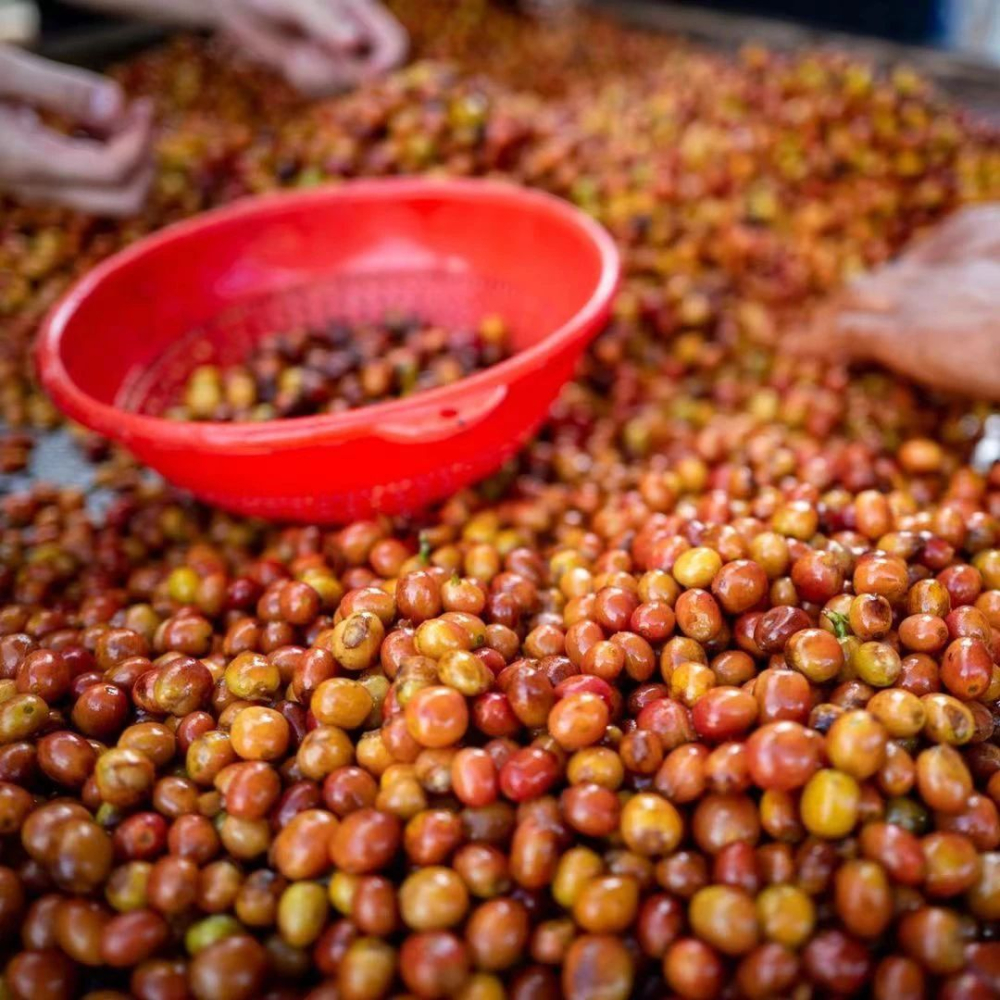
In 1727, Typica was introduced to Brazil, but due to its low yield and susceptibility to disease, around 1860, Bourbon was introduced from Campinas in the south and quickly spread across South and Central America. Today, most Bourbon varieties in Latin America have been replaced by cultivars such as Caturra, Catuai, and Mundo Novo, but it is still grown in countries such as El Salvador, Guatemala, Costa Rica, and Peru.
In Africa, French missionaries (also known as Spiritans) played a significant role in promoting the Bourbon variety. In 1841, the first mission was established on Réunion Island, followed by a branch in Zanzibar in 1859. Subsequently, missions were set up in Bagamoyo, Tanzania, in 1862, and in Kikuyu, Kenya, in 1893, with another branch founded in Bura, on Mount Taita in Kenya, in 1893. Each mission was accompanied by coffee seeds brought from Réunion Island.
In 1899, seedlings from Bura were taken to the Holy Cross Mission near Nairobi, and in 1900, they were further introduced to the Kilimanjaro region of Tanzania. The seeds were distributed to local residents for planting, which is the origin of what is known as "Missionary Bourbon." Later, the Kent variety was introduced in 1920, and to this day, Tanzania primarily grows Bourbon and Kent varieties.
Evolution of Bourbon Varieties
Through natural mutation, artificial selection, and intra-species hybridization, the Bourbon family has evolved into numerous varieties, such as Caturra, Catuai, Pacas, Yellow Bourbon, SL28, SL34, and more, each with distinct characteristics and environmental adaptations.
Common Bourbon Varieties: Red Bourbon and Yellow Bourbon
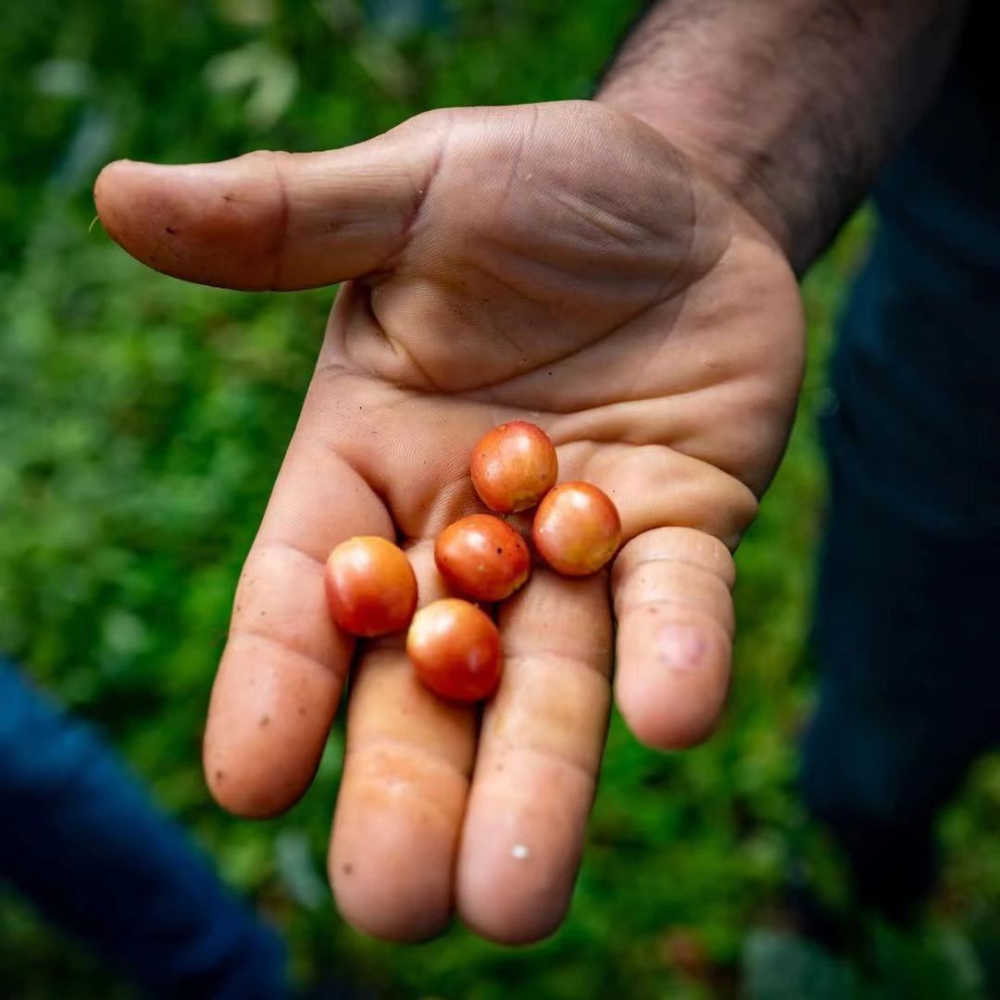
By the 1850s, Brazil had become a major global coffee producer, relying at the time on Typica introduced in 1720. However, due to its low yield, Brazil introduced the Bourbon variety from Réunion Island—known as Red Bourbon—and planted it extensively. As Red Bourbon fruit ripens, its color transitions from green to yellow, then orange, then red, and finally deep red. Red Bourbon grown at high altitudes typically exhibits excellent aroma and bright acidity, with flavors that can even present wine-like complexity.
Yellow Bourbon, on the other hand, is a variety unique to the state of São Paulo in Brazil. Its fruit ripens to an orange-yellow color instead of red, hence the name. Due to its low yield and poor tolerance to wind and rain, Yellow Bourbon was not widely planted. However, Yellow Bourbon grown at high altitudes often delivers exceptionally outstanding flavor performance.
V60 Pour-Over Recommendations and Parameters
If you want to fully experience the multi-layered flavors of Pink Bourbon, here are practical V60 pour-over parameters and steps:
Grind Size:Medium-fine grind
Water Temperature:90°C
Coffee Dose:15 grams
Coffee-to-Water Ratio:1:15
Total Brewing Time:Approximately 2 minutes
Brewing Steps:
1. Bloom: Pour 30 grams of water and bloom for 30 seconds.
2. First Pour: Slowly circle-pour 90 grams of water, stopping at a total of 120 grams. Wait for the liquid level to drop to the surface of the coffee bed.
3. Second Pour: Increase water flow and circle-pour 105 grams of water, stopping at a total of 225 grams. Once the coffee bed is slightly exposed, remove the filter.
Flavor Profile:Bright floral notes are prominent, with clear layers. Citrus and tomato-like aromas stand out. Acidity is soft and lingering, with a caramel-like sweetness in the finish. The overall mouthfeel is smooth and clean.
The above content is compiled by CoffeeHunters, a coffee news website.


