







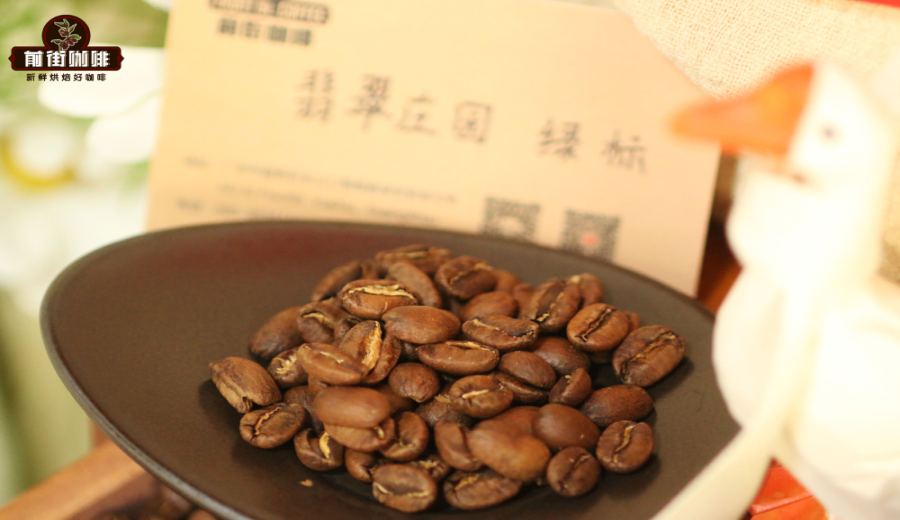
Introduction:Want to understand the unique charm and high price of Panamanian Green Label Geisha? This article delves into the origins of the Geisha variety, the grade differences at Hacienda La Esmeralda, and uses the Green Label Geisha as an example to detail practical parameters and procedures for cold drip extraction, taking you on an exploration of the delicate floral and fruity notes released by this high-altitude washed coffee under low-temperature brewing.
Geisha coffee stands out in the specialty coffee scene with its elegant floral aroma and complex fruitiness, yet its premium price often deters many coffee enthusiasts. In this article, we’ll take the Green Label Geisha from Panama’s Hacienda La Esmeralda as an example, covering everything from the origin of the variety and grade distinctions to market value, giving you a comprehensive understanding of this highly acclaimed coffee. We’ll also walk you step-by-step through how to brew it via cold drip and analyze the captivating flavors—such as white floral, orange, blueberry, and green tea—it reveals in a low-temperature environment.
What is Geisha? How is it different from other well-known origin beans?
Geisha (Geisha) is not named after an origin, but is a variety within the Arabica species. Compared to names derived from countries or mountain regions like Yirgacheffe, Blue Mountain, or Kona, Geisha stands out with its unique aromatic profile—delicate floral notes, citrus acidity, and multi-layered fruit flavors that give it high recognizability in coffee cupping. On the menu of one brand, aside from the commonly seen Red Label Natural Geisha, the Green Label Washed Geisha is also an excellent choice with great cost-performance.
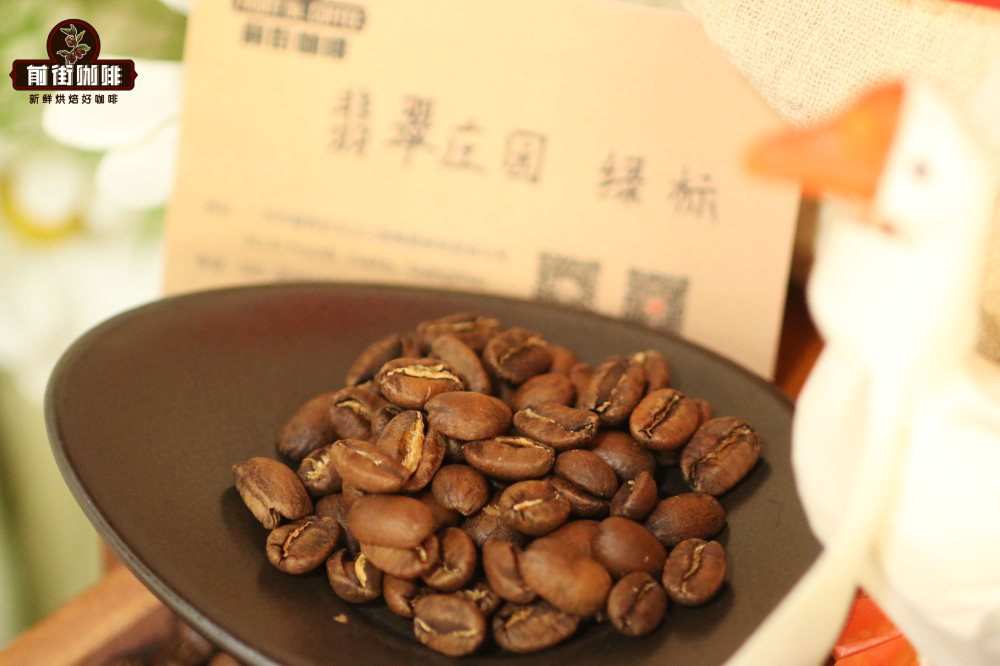
Why is the Green Label Geisha relatively more affordable yet still of high quality?
Hacienda La Esmeralda categorizes Geisha into multiple grades. Among them, the Red Label belongs to the highest grade, ESMERALDA SPECIAL, which can be traced back to specific micro-lots; whereas the Green Label was originally called PRIVATE COLLECTION, belonging to mixed-harvest batches. Though it doesn’t participate in auctions, its flavor performance remains outstanding. The Green Label Geisha is typically grown at altitudes between 1600 and 1800 meters, and starting in 2022, the main producing areas have been made public, including three key plots: Jaramillo, Canas Verdes, and El Velo. Due to variations in microclimate and soil, each plot presents a different dominant character.
Why is Geisha so expensive? Limited production is the key.
Geisha was first discovered in 1931 in the Gesha forest of Ethiopia, later introduced to Kenya, Uganda, and Tanzania, and didn’t take root in Panama until the 1970s. It is understood that Panama’s total annual coffee production is about ten thousand tons, while Hacienda La Esmeralda produces only around 150 bags of green beans annually, equivalent to roughly 9,000 kilograms, of which Geisha accounts for only about 3%—around 270 kilograms. Coupled with media exposure and competition influence, Geisha prices have remained consistently high.
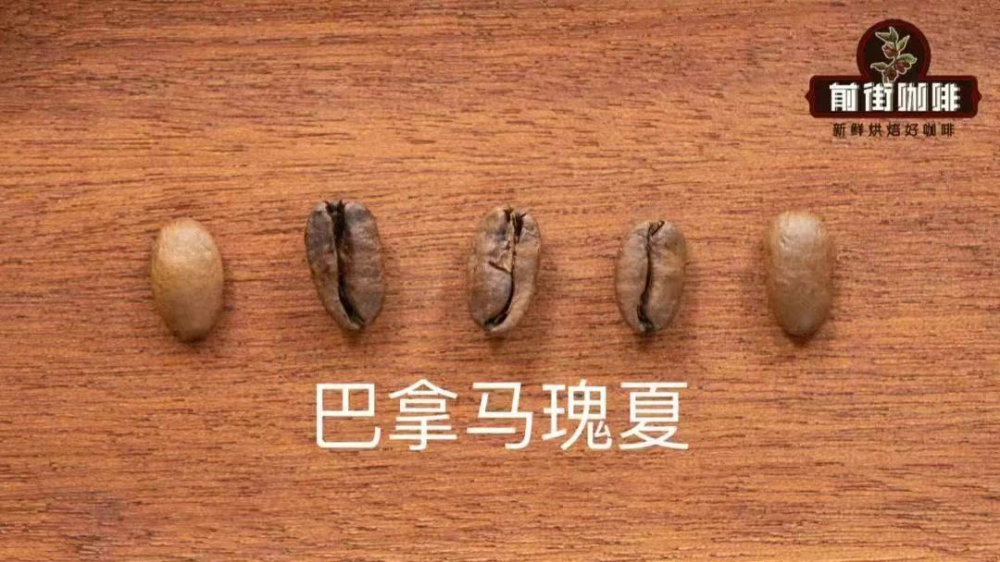
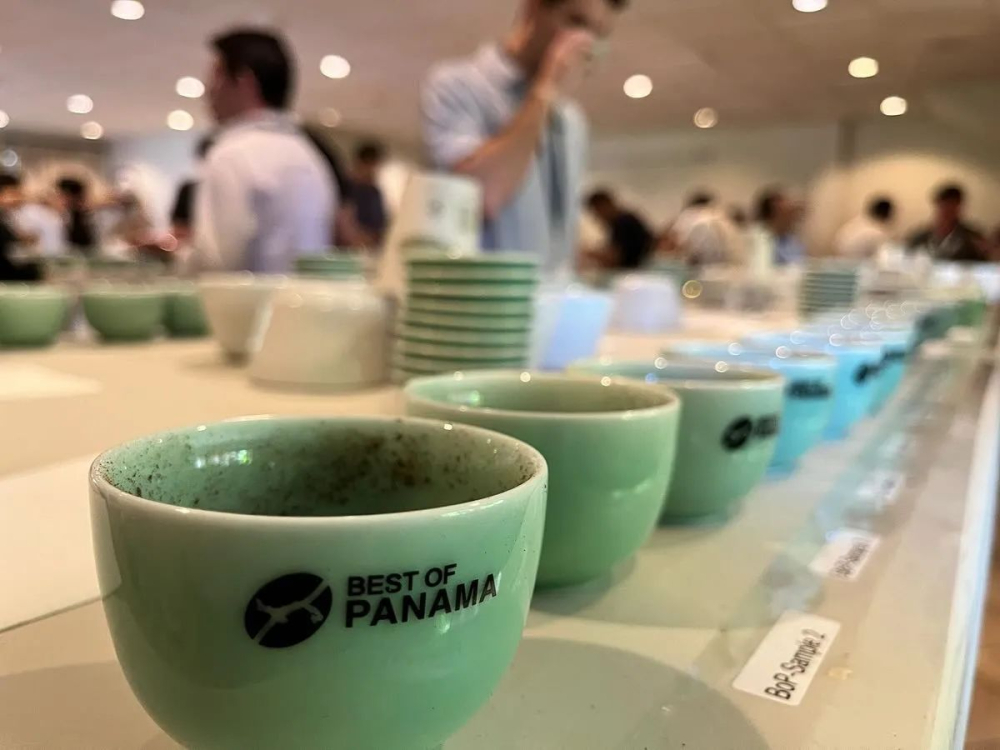
A significant part of Geisha’s international reputation is owed to Hacienda La Esmeralda. In 2003, the third-generation owner Daniel unexpectedly discovered during cupping that Geisha exhibited unique flavors such as jasmine, citrus, peach, and blueberry, and decided to enter it into that year’s BOP (Best of Panama) competition—and it won first place. In 2005 and 2006, Hacienda La Esmeralda secured the world championship in global specialty coffee evaluations two years in a row with Geisha, cementing its legendary status.
Flavor Characteristics and Processing Method of the Green Label Geisha
The Green Label Geisha from one brand is processed via the washed method. A blend of beans from different micro-lots exhibits clear floral and fruity profiles in dry aroma, brewing, and sipping. The Green Label from the Jaramillo plot often carries intense jasmine and rose aromas; Canas Verdes features tropical fruits as the main theme; while the El Velo plot emits lemongrass and fresh floral notes. These flavors become even clearer and more layered thanks to the washed processing method.
Cold Drip Extraction of Geisha: Detailed Parameters and Steps
Brewing the Green Label Geisha using the cold drip method can fully showcase its delicate flavors in a low-temperature environment. Below are our recommended practical parameters and procedures:
- Coffee grounds: 60 grams
- Grounds-to-water ratio: 1:10
- Total coffee liquid yield: approximately 600 milliliters
- Water-to-ice ratio: 1:1
- Grind size: slightly finer than granulated sugar
- Drip rate: control to 5–7 drops per 10 seconds
Cold Drip Diagram
First, place a filter paper at the bottom of the grounds container, lightly moisten it with water, and press gently to make it adhere to the vessel. Then pour in freshly ground coffee, level the grounds surface gently, and cover with a second filter paper before securing it in the holder. In the water reservoir, add ice and water in the specified proportion and stir evenly. Initially, adjust the drip rate to allow the water to quickly saturate all the coffee grounds, similar to the blooming stage; once the coffee grounds are fully wet, adjust to the target drip speed and let it sit until the coffee liquid has fully dripped through. After dripping is complete, it is recommended to bottle the coffee liquid and refrigerate it for about 2 days to allow the flavors to meld better.
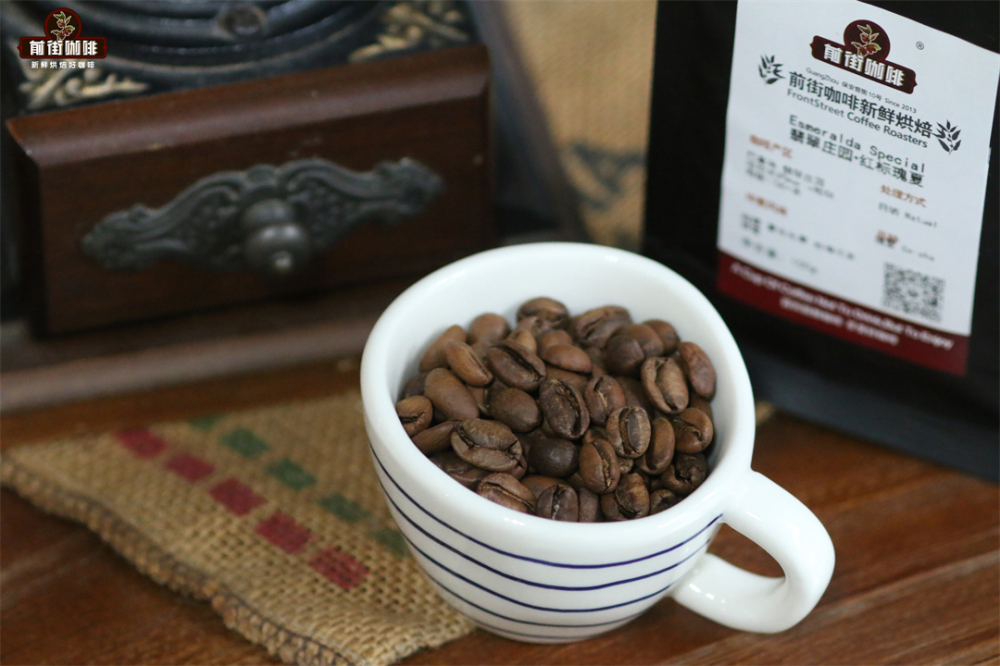
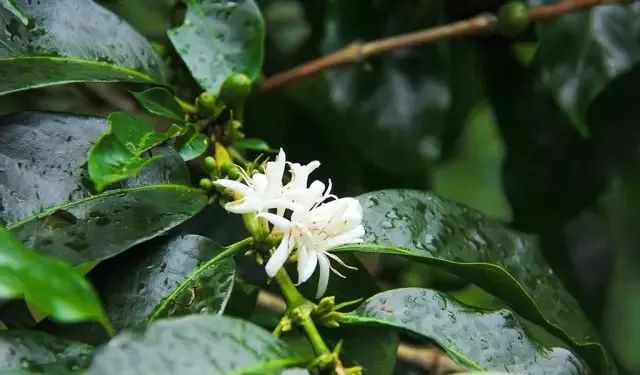
The resulting cold drip Geisha delivers a bright cup, with distinct layers of white floral, orange, blueberry, and green tea notes. The mouthfeel is clean and refreshing, with no noticeable off-flavors. When served chilled, it feels even softer, making it an excellent way to enjoy Geisha in the summer.
Notes and Storage Recommendations
Although cold drip coffee can delay flavor degradation at low temperatures, to ensure the best drinking experience and hygiene safety, it is recommended to consume self-made cold drip coffee within 5 days. Additionally, although low-temperature extraction can highlight delicate notes, it can also amplify defects. Therefore, it is advised to use freshly roasted, well-processed green beans and maintain strict hygiene standards.
The above content is compiled by CoffeeHunters, a coffee news website.


