







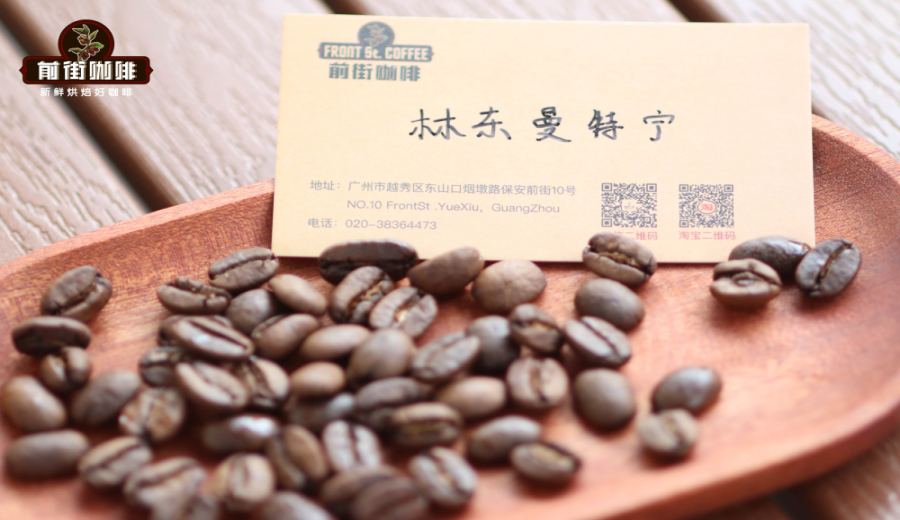
Introduction:Mandheling coffee beans are not the name of a growing region or coffee variety, but rather originate from the Mandailing people of Sumatra, Indonesia. This coffee, renowned for its rich and full-bodied flavor, carries an intriguing history along with unique varietal and processing characteristics. This article will delve into the origins of Mandheling, the traits of its main cultivars such as Timtim and Ateng, the stringent selection criteria of PWN Golden Mandheling, and provide expert roasting and pour over parameters to help you fully appreciate the charm of this classic coffee.
In the world of specialty coffee, Mandheling coffee beans from Sumatra, Indonesia, have long been highly regarded for their intense, bold flavors and distinctive flavor profiles. Interestingly, the name "Mandheling" does not refer to a specific origin or coffee variety, but comes from the indigenous Mandailing ethnic group (Mandheling) of Sumatra. Nowadays, when people talk about Mandheling coffee in the market, they usually mean Arabica coffee grown in Sumatra, primarily from two major cultivars: Timtim and Ateng.
Timtim, also known as Timor or Bor Bor, is a natural hybrid between Arabica and Robusta, having 44 chromosomes and thus still classified as Arabica. This variety was first discovered on the island of Timor in Indonesia during the 1940s. Its most prominent feature is a high resistance to leaf rust, making it a cold-hardy and high-yield genetic resource. The Timtim tree has a robust structure with drooping branches that aid in nutrient distribution. However, in terms of flavor, although Timtim may not be as delicate as pure Arabica varieties, it still offers distinctive aromas such as agarwood, pine, and herbs, with low acidity—making it suitable for those who prefer a bold cup.
Another common variety, Ateng, is actually the colloquial term for Catimor, which is a cross between Caturra and Timtim. Due to the incorporation of Caturra genes (an ancient Bourbon variety), Ateng shows significantly better flavor performance compared to Timtim, with more pronounced sweetness, clearer aftertaste, and an overall rounder and cleaner mouthfeel. Many coffee enthusiasts, after tasting it, perceive a brighter acidity and more layered complexity.
So why is this coffee from Sumatra called "Mandheling"? The answer lies in an amusing story born from a language misunderstanding. During World War II, a Japanese soldier tasted an exceptionally good cup of coffee at a café in Sumatra. When he curiously asked the name of the coffee, due to the language barrier, the shop owner misunderstood the question as asking “Where are you from?” and answered, “Mandailing (Mandheling).” After returning to Japan, the soldier couldn't forget the coffee and went back to Sumatra to find the same one, eventually bringing it to the Japanese market—thus, Mandheling coffee gained widespread fame.
To fully showcase the rich and bold character of Mandheling, Japanese baristas invested considerable effort in researching dark roasting techniques, ensuring the coffee remains smooth rather than overly bitter even with a deep roast, while highlighting a rich aftertaste. Meanwhile, Sumatra also gradually established a rigorous coffee selection system, among which the most representative is the "Golden Mandheling" launched by PWN.
PWN exercises extremely strict control over coffee quality. They only select coffee cherries that are fully ripe and have a size of 18 mesh or above, and these beans undergo at least three rounds of manual sorting to ensure no more than 3 defective beans per 300g of green coffee—meeting the highest grade G1 standard. These meticulously selected beans take on an attractive golden hue under sunlight, hence the name "Golden Mandheling." It's worth mentioning that PWN’s Golden Mandheling is packed in sacks printed with the PWN logo and comes with official certification to guarantee authenticity.Consumers are advised to pay attention to these details when making a purchase.
To perfectly highlight the bold and solid flavor profile of Mandheling coffee, many professional roasters roast it close to the second crack stage. This level of roasting brings out intense woody aromas and warm toast-like notes. Upon tasting, the coffee delivers a rich sweetness with a syrupy mouthfeel, a balanced bitterness and sweetness paired with gentle acidity, all contributing to a very full-bodied cup.It is recommended to carefully control the heat during roasting to achieve the optimal balance of flavors.
For brewing, if you wish to enhance the bold and rich character of Mandheling, you can opt to use a Kono filter. The design of this filter features ribs that extend all the way to the bottom outlet, and the ribs are shorter and fit tightly against the filter paper, resulting in a slower flow rate than the V60—facilitating fuller extraction. It is recommended to grind the coffee to a medium-coarse level (e.g., around 70% passing through a Chinese No. 20 standard sieve), with water temperature controlled at approximately 88°C, and using a three-stage pouring method: the first pour involves 30g of water for a 30-second bloom, followed by pouring up to 125g and waiting 10 seconds, then finally pouring up to 225g to complete the extraction, with a total brew time of around 2 minutes. This method stabilizes the flow rate and controls the extraction speed, allowing the aroma and layers of Mandheling to be fully expressed.
Currently, the most common Mandheling coffees from Sumatra exhibit two major regional flavor profiles: one from theLintong region, characterized by spicy and herbal notes, soft acidity, and a long finish of cocoa and nuts, with noticeable sweetness and high body; the other being PWN’s Golden Mandheling, which boasts a sweeter profile, often featuring complex aromas of herbs, cinnamon, orange peel, and more. It has a rich mouthfeel with layers of cream, walnut, and chocolate, subdued fruit acidity, and reveals even deeper herbal and spicy charm when the temperature drops.
The above content is compiled by CoffeeHunters, a coffee news website.


