







Introduction:Yirgacheffe is renowned for its distinctive floral aroma and lemony acidity, but how can you brew a pour over with distinct layers and a clean taste at home? This article delves into the flavor differences between washed and natural Yirgacheffe, and provides a professional three-stage pour over method covering water temperature, grind size, coffee-to-water ratio, and V60 filter techniques to help you precisely control the optimal extraction parameters—bringing out bright fruit acidity and delicate tea-like notes.
Yirgacheffe coffee is beloved by coffee enthusiasts worldwide for its refreshing fruity and floral character, especially its bright citrus acidity and elegant floral notes, making it a top choice for many pour over enthusiasts. However, the key to successfully replicating café-quality flavors at home lies in mastering the correct brewing variables, including water temperature, grind coarseness, coffee-to-water ratio, as well as filter selection and usage techniques.
Taking the two most common Yirgacheffe processing methods on the market—washed and natural—as examples, each excels differently in roasting and flavor expression. Washed Yirgacheffe is typically roasted lighter to preserve the beans’ inherent acidity and delicate floral notes, making it ideal for those who prefer a clean, tea-like experience. In contrast, natural Yirgacheffe undergoes a longer fermentation process, yielding richer berry and tropical fruit flavors, along with a rounder mouthfeel and pronounced fermentation aromas.
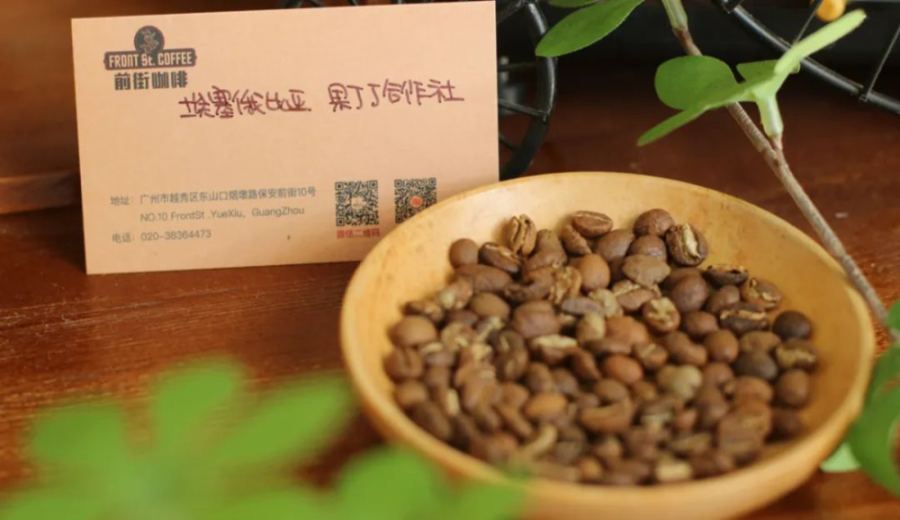
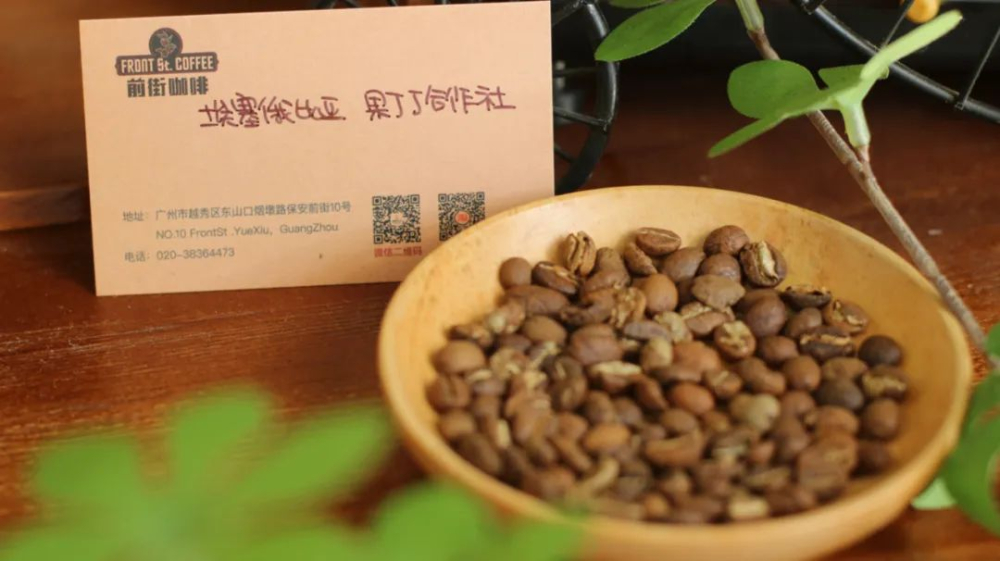
Before diving into the pour over, understanding each bean’s cupping flavor profile is crucial. For example, washed Yirgacheffe from the well-known Guji Dingding Cooperative batch showcases bright passionfruit, citrus, and berry aromas during cupping. Upon brewing, it delivers noticeable citrus acidity and berry sweetness, paired with soft almond notes and tea-like undertones, with a honey-like sweet aftertaste. The overall body is low, yet exceptionally clean and refreshing.
In contrast, natural Yirgacheffe, such as the Red Cherry batch, emits intense berry-like sweet and sour notes during cupping. As the temperature changes, you can gradually perceive the smooth sweet-and-sour berries, the fermented layers of ripe fruit, and distinct honey sweetness, with an aftertaste reminiscent of silky black tea. The overall mouthfeel is fuller and smoother.

For washed Yirgacheffe, a medium-light roast is recommended to fully highlight its bright acidity and fruity-floral aromas. During actual pour over brewing, it’s advised to use hot water at 92°C to 93°C, which helps extract the vibrant floral and fruity notes from the beans grown at high altitudes. If the temperature is too low, it may lead to under-extraction, resulting in flat or astringent flavors; if too high, it could amplify bitterness or over-extract acidic compounds.
For grind size, a medium-fine grind is suggested—approximately 78% through a Chinese standard No. 20 sieve, similar in coarseness to fine sugar. If the grind is too coarse, it hinders sufficient contact between water and coffee grounds, leading to incomplete extraction and a thin mouthfeel. If too fine, over-extraction can occur at high temperatures, producing unwanted bitterness or a gritty sensation.
To more comprehensively showcase Yirgacheffe’s multi-layered flavors, a three-stage pouring technique is recommended. This method allows the coffee to gradually release flavor compounds at different extraction stages, especially as subtle temperature changes help balance acidity, sweetness, and body. Additionally, choosing a V60 filter is key. Its unique conical shape and 60-degree angle guide water to slowly spread outward from the center, extending contact time between water and coffee grounds, thereby enhancing aroma and flavor extraction efficiency.
The V60 filter’s single large outlet hole means the flow rate is directly influenced by the brewer’s pouring rhythm and pressure, requiring stable control of the water flow to avoid over-extraction and flavor loss. Moreover, the spiral ribs inside the filter not only help maintain a proper gap between the filter paper and the walls, promoting airflow and coffee grounds expansion, but also enhance flavor complexity through a water compression effect.

In practice, a coffee-to-water ratio of 1:15 to 1:16 is recommended, adjustable based on personal taste preferences. For a fuller, richer mouthfeel, choose 1:15; for clearer floral and citrus sweetness, opt for 1:16 to allow the flavors to unfold more gracefully. Specifically, using 15 grams of coffee, aim for 225–240 grams of water with a medium-fine grind (approximately 78% through a No. 20 sieve), brewed via the V60 filter using the three-stage pour over method.
The specific steps are as follows: First, pour about 30 grams of hot water (roughly double the coffee weight) for the bloom, letting it sit for around 30 seconds to allow the coffee grounds to fully expand and release aroma. Then, pour with a small stream in a circular motion from the center outward until you reach 125 grams of water, pause for the first break as the coffee bed settles slightly, then continue pouring with the same fine stream up to 225 grams. Keep the total brew time around 2 minutes. Finally, remove the filter, gently swirl the coffee in the carafe, and start sipping from a high temperature to gradually experience its diverse flavor progression—from lemon and citrus, to green tea, berries, cream, and sugarcane.
In summary, the charm of pour over Yirgacheffe lies in its dynamic flavor layers and clear sweet-acid balance. By mastering the right water temperature, grind size, coffee-to-water ratio, and V60 techniques, even beginners can easily brew professional-level, floral-citrus pour over coffee at home, enjoying every bright and refreshing sip.
The above content is compiled by CoffeeHunters, a coffee news website.


