








Introduction:Want to understand the real differences between Ethiopia’s Huila Hambela Konga (commonly referred to as “Huikui” or “Flower Queen”) and Panama’s Geisha? These two globally beloved specialty coffees—one from a high-altitude sun-dried native variety, the other from Panama’s carefully selected high-mountain Geisha—each offer unique characteristics in aroma, acidity, sweetness, and aftertaste. This article provides a comprehensive analysis of their origin background, processing methods, variety traits, flavor profiles, as well as pour over brewing recommendations and grind settings, helping you fully grasp how each influences your coffee experience and find the cup that suits you best.
Both Ethiopia’s Flower Queen and Panama’s Geisha are star beans in the specialty coffee world, not only for their bright and complex floral and fruity aromas, but also for their exceptional balance of acidity and sweetness. However, these two coffees actually differ significantly in terms of origin, variety, processing method, and even flavor profile.
Flower Queen coffee beans come from the Hambela region within Ethiopia’s Guji zone, specifically processed by the Buku Abel washing station using the natural (sun-dried) method. This highlights the sweetness of the fruit and a juice-like complexity, including tropical fruit notes such as peach, passion fruit, and mango. In contrast, Geisha was originally discovered on Ethiopia’s Gesha Mountain, but was later rediscovered and popularized in Panama’s Boquete region. It is renowned for its clean white floral notes, vibrant citrus acidity, and a tea-like, delicate aftertaste.
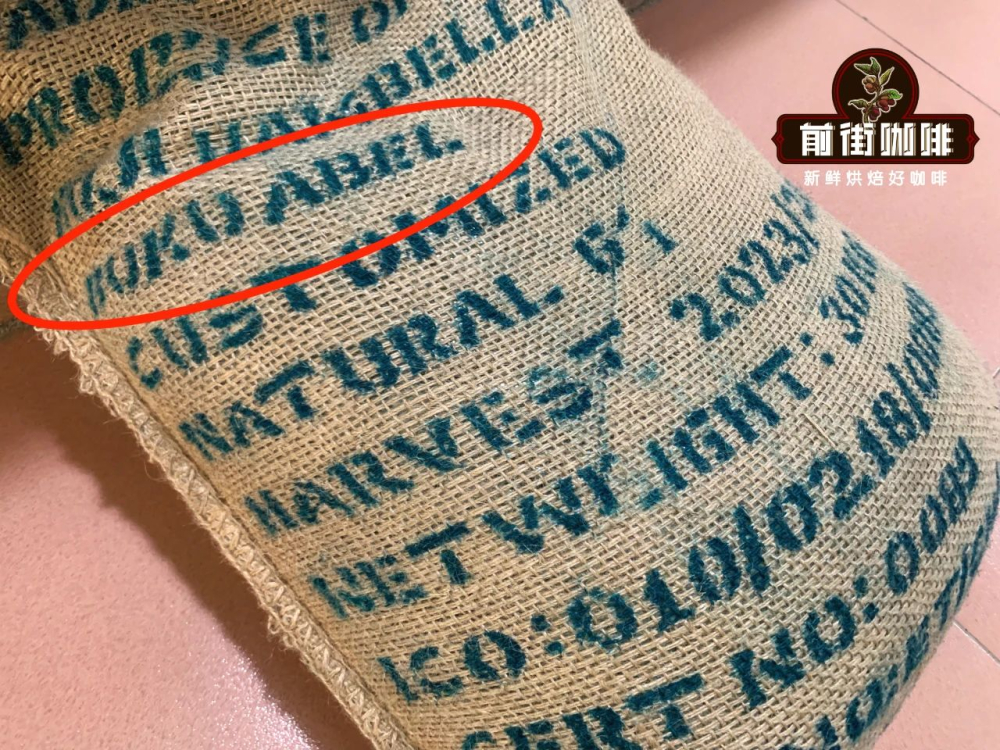
The Hambela area where Flower Queen is grown sits at a high altitude. Although administratively part of the Guji zone, its location is close to the border between Sidamo and Yirgacheffe. The terrain is rugged, with an average elevation exceeding 2,000 meters. The climate here is cool with significant day-night temperature variation, which helps coffee cherries ripen slowly and accumulate more sugars and aromatic compounds. Though neighboring well-known producing regions, Hambela maintains its own unique flavor identity, especially with its traditional approach to sun-dried processing.
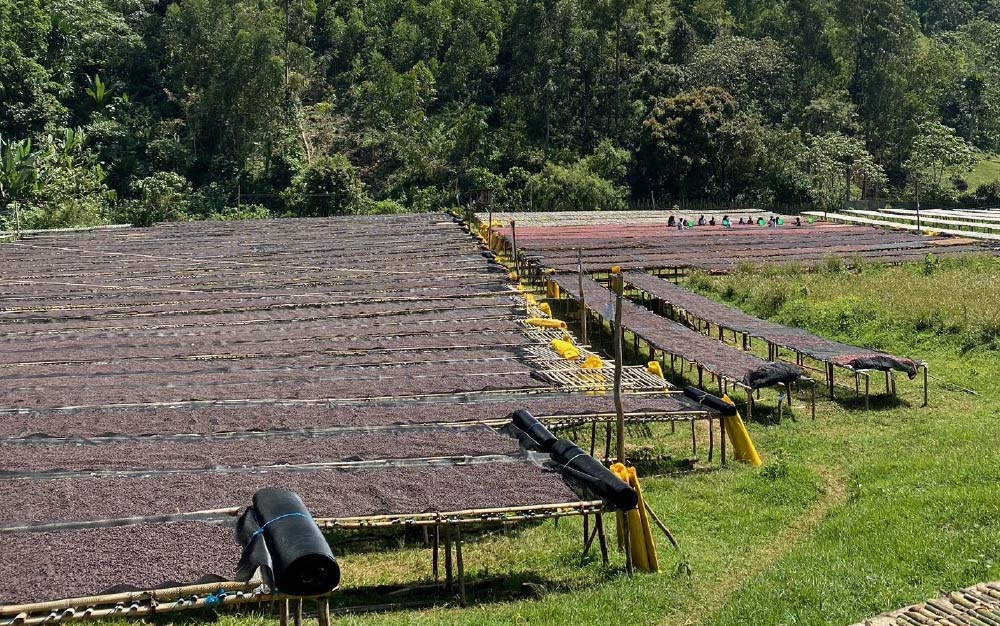
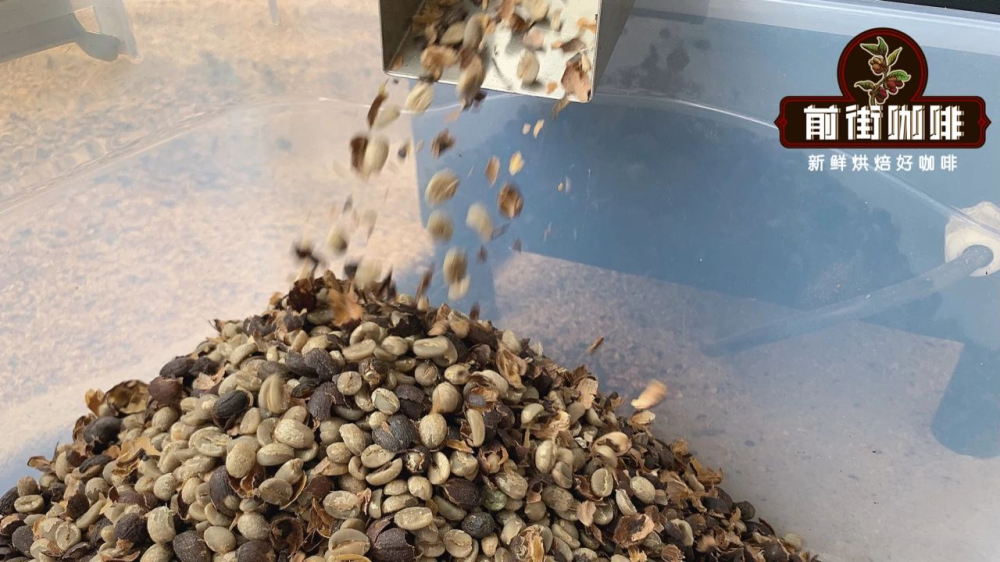
The Flower Queen beans sold at this shop are of the Ethiopian Heirloom variety. Coffee cherries collected from various areas around a certain farm are meticulously sorted, selecting only fully ripe red cherries (with sugar content reaching above 30) for sun-drying. The main harvest season is from December to January of the following year. Local farmers shade the cherries from the sun during the heat of the day and protect them from rain at night using plastic sheeting, while continuously turning the cherries throughout the day to ensure even drying. After approximately 18 days, the moisture content of the green beans stabilizes at 13%, at which point hulling is carried out.
Sun-drying is the oldest post-harvest processing method in Ethiopia. Through prolonged contact between the fruit pulp and the seeds, microbial activity and sugar fermentation produce a rich array of esters and aromatic compounds, giving the coffee more intense fruitiness, floral notes, and sweetness. Compared to washed processing, sun-drying involves a longer fermentation period, and the resulting flavor profile is usually more complex with a distinct juicy character.
The Geisha variety has a completely different origin story. Its roots can be traced back to the 1930s, when it was first discovered by the British in the Gesha Mountain area of southwestern Ethiopia. It was gradually introduced to Kenya, Uganda, Tanzania, Costa Rica, and other regions, and was eventually brought to Panama’s Don Pachi Estate in the 1970s. Geisha coffee trees grow slowly and yield poorly, with slender bean shapes that taper at both ends. They are highly demanding in terms of environment, requiring high altitudes, nutrient-rich soil, and good shading conditions to fully express their optimal flavor potential.
In terms of cupping experience, cupping results from a certain shop show that Panama Geisha, whether processed via washed or natural methods, generally exhibits clean and bright citrus acidity, delicate floral notes, and a throat sensation and aftertaste reminiscent of oolong or Tieguanyin tea. On the other hand, Ethiopia’s Flower Queen, due to its sun-dried processing, not only retains the diverse floral and fruity aromas of the heirloom variety, but also enhances sweetness and fermentation complexity. It often features an interplay of tartness and sweetness from berries and tropical fruits, along with a mellow aftertaste akin to black tea.
If you’d like to brew and compare these two coffees at home, it is recommended to use a V60 filter cone, paired with beans roasted to a medium-light level (actual roast degree may vary slightly by batch). To fully showcase their aroma and fruit acidity, it is advised to set the water temperature at 91–92°C, with a brew ratio of 1:15, and a grind size about the size of fine sugar (approximately 80% passing through a #20 sieve). Use a three-stage pouring method: the first stage involves pouring 30g of water for a 30-second bloom, followed by the second stage pouring 95g of water, then the third stage adding 100g of water once the coffee bed has descended halfway. Maintain a steady and even water flow with circular pouring to avoid over-extraction or localized channeling. This approach will better highlight the unique flavors of both coffees.
Panama washed Geisha displays prominent white floral aromas when hot, with clear citrus, lemon, and bergamot acidity upon tasting. The mouthfeel is smooth like cream, and the aftertaste carries the sweetness and saliva-inducing sensation of honey and Longjing tea. As the temperature drops, the fruit acidity becomes more distinct, and the flavors evolve into something more nuanced and varied. Meanwhile, Ethiopia’s sun-dried Flower Queen exudes intense fruit aromas even before tasting, with a sweet scent reminiscent of roasted sweet potatoes wafting through the nose. Upon sipping, the interplay of dried mango, jackfruit, orange, and passion fruit acidity and sweetness is pronounced, with a strong juiciness and a round, full-bodied mouthfeel. As the temperature slightly cools, the bright acidity of peach and berries emerges, and the aftertaste is as mellow as black tea, layered and long-lasting.
The above content is compiled by CoffeeHunters, a coffee news website.


