







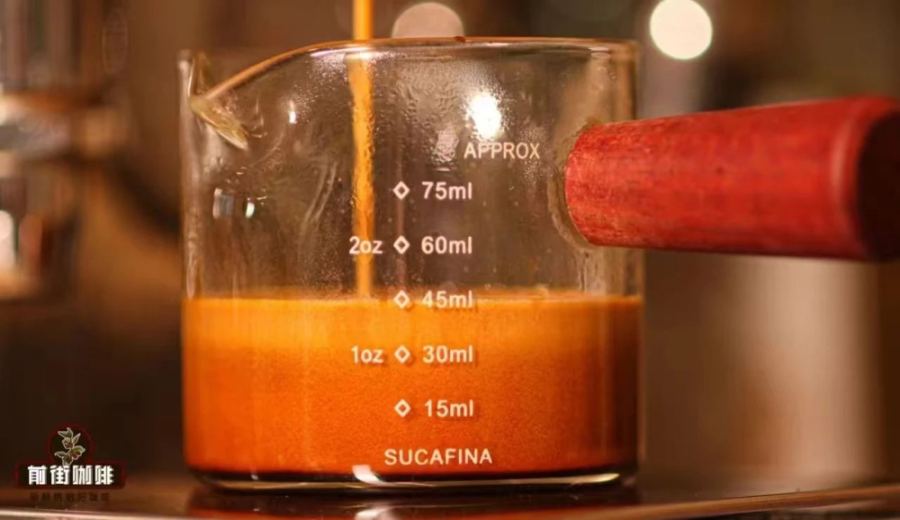
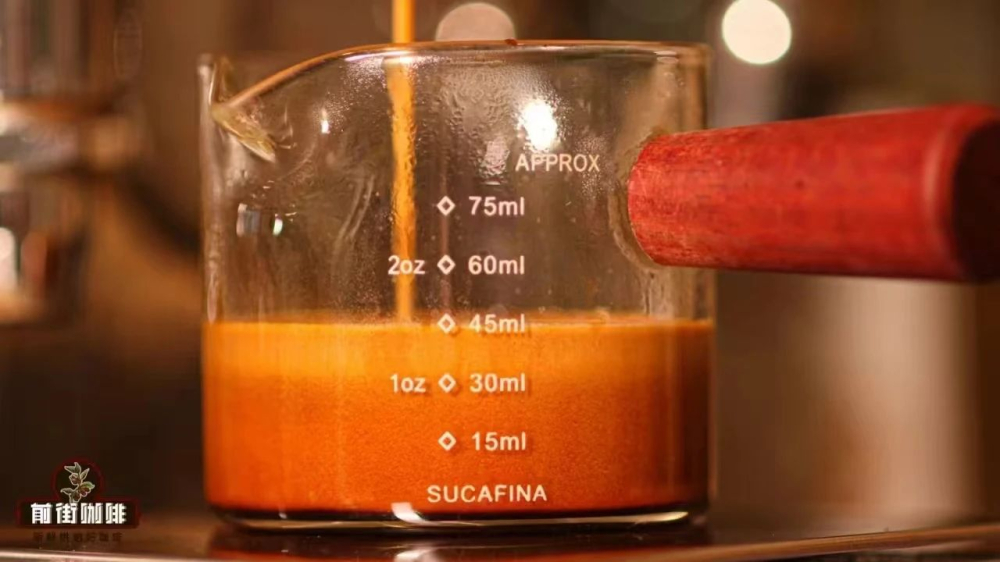
Introduction:Understanding the key extraction parameters of espresso, including the coffee-to-water ratio, grind size, extraction time, and more, is essential to mastering how to adjust these variables to achieve a shot with rich crema and balanced flavors. This article breaks down the interactions between each element in an easy-to-understand way, supplemented with practical observation techniques, helping you consistently pull an ideal shot of espresso—whether using a semi-automatic or fully automatic machine.
The captivating golden crema on the surface of an espresso is actually the result of a precise combination of dose, yield, time, and grind size. Many coffee enthusiasts attempting to replicate this classic beverage at home often struggle with significant flavor fluctuations due to minor parameter adjustments. This article starts with the basic concept of the coffee-to-water ratio, gradually dissecting how various variables interact during extraction, and combines hands-on experience to teach you how to observe flow rate and taste flavor, further adjusting to your preferred espresso profile.
Unlike the immersion-style brewing of pour over coffee, espresso is created by forcing hot water through a compacted puck of coffee grounds under high pressure, extracting a concentrated and intense shot in a short amount of time. Though the steps may seem simple, even a slight deviation in any one parameter can lead to vastly different results. Therefore, gaining an in-depth understanding and mastery of each step is essential for any coffee lover aiming to master espresso at home.
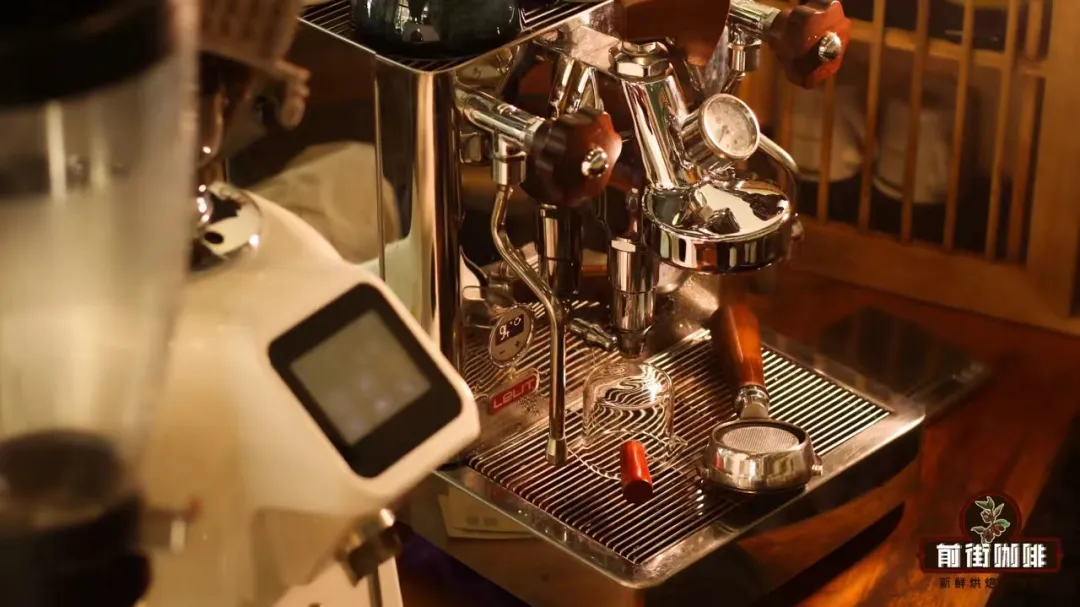
Long before the invention of the espresso machine, people mostly brewed coffee via immersion methods, requiring extremely fine grinds and long wait times to complete extraction. To improve efficiency, Italian baristas innovatively used high-pressure steam to push hot water rapidly through the coffee bed, drastically reducing extraction time while enhancing the flavor and aroma of espresso. After years of technical evolution, today’s semi-automatic and fully automatic machines can reliably produce high-quality espresso.
Modern commercial espresso machines typically deliver stable pressure of nine atmospheres or more, along with water heated above ninety degrees Celsius. Under high pressure, finely ground coffee can quickly release oils, aromas, and a rich array of flavors. However, achieving the perfect shot still hinges on adjusting variables such as grind size, dose, yield, and extraction time to find the optimal extraction range.
From bean selection to the final extraction, numerous factors influence espresso flavor, including but not limited to grind size and uniformity, water temperature, pressure, distribution and tamping technique, dose, extraction time, and yield. Among these, the machine’s pressure and water temperature are usually fixed once set, while distribution and tamping can vary greatly from person to person. For most users, the four most frequently adjusted core parameters are dose, extraction time, yield, and grind size.
Among them, grind size and particle uniformity are key to controlling extraction flow rate. Even a slight adjustment of just one gram in dose can lead to noticeable differences in the time required to achieve the same yield. If coffee particles vary significantly in size, uneven density after tamping will create inconsistent water flow resistance, ultimately affecting overall extraction quality. These changes are reflected not only in flow rate and time, but also directly impact the final flavor profile.
The ratio of dose to yield, commonly referred to as the “coffee-to-water ratio,” is a crucial metric for evaluating whether extraction is appropriate. Generally, portafilters come in single and double basket sizes, and dose selection should align with the basket used. Taking the common double basket as an example, it is typically filled with around twenty grams of coffee, with a target yield of forty grams, forming the golden 1:2 ratio. Of course, the final yield should still be fine-tuned based on actual flavor results.
In the early days, baristas lacked precise weighing tools and could only judge extraction timing by observing changes in crema color. Initially, the extraction would appear dark brown, gradually turning golden and then light yellow, and when the crema began to turn white, it usually signaled that extraction should end. Today, there are more accurate guidelines, with the 1:2 ratio widely recommended—for instance, using twenty grams of coffee to aim for a forty-gram yield, with extraction time controlled between twenty-five and thirty seconds.
Extraction time is influenced by the interplay of dose, grind size, and yield. Under a fixed coffee-to-water ratio, a shorter extraction time generally means fewer solubles are extracted, potentially resulting in a flatter flavor; conversely, a longer time extracts more solubles, but over-extraction can easily bring bitterness. If you wish to adjust extraction time without altering the coffee-to-water ratio, the only method is to fine-tune grind size or dose.
Once you understand how these variables interact, you can then make micro-adjustments based on the espresso’s flow rate, appearance, and actual taste. For example, if the espresso tastes overly light, with muted winey and fruity notes, or even a dry finish, it may indicate under-extraction or over-extraction in the latter phase. In this case, try increasing the dose and reducing the yield to concentrate the flavors. When you notice reduced astringency and enhanced winey notes, it signals you’re adjusting in the right direction.
Conversely, if the flow is too slow, the taste is overly bitter, or acidity is too sharp, it may signal over-extraction. In this situation, consider lowering the extraction yield by using a coarser grind, reducing the dose, or increasing the yield within the same time frame to improve overall flavor balance. Through continuous observation and experimentation, you’ll gradually master this art.
In summary, mastering the relationship between coffee-to-water ratio, grind size, extraction time, and flow rate makes pulling a delicious espresso far from difficult. However, since home espresso machines are often less stable and have weaker pressure control compared to commercial ones, it becomes even more important to precisely calibrate and record each extraction’s parameters and flavor outcomes. Through continual trial and adjustment, you’ll gradually discover the perfect combination tailored to your taste.
The above content is compiled by CoffeeHunters, a coffee news website.


