







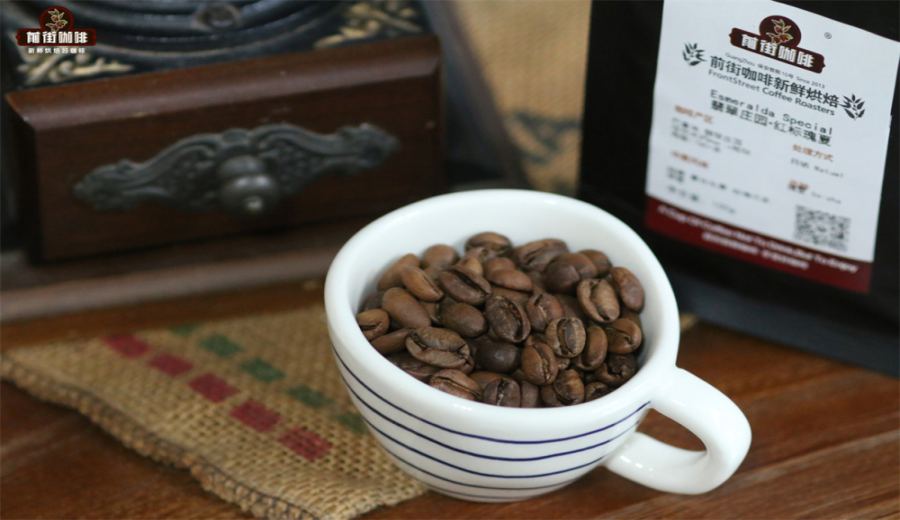
Introduction:Panamanian Red Label Geisha coffee is renowned for its high price and unique flavor profile, with auction prices consistently reaching new highs, making it a focal point in the specialty coffee market. This article delves into the characteristics of the Geisha variety, historical auction trends, as well as the challenges in cultivation and processing, and provides practical pour over recommendations and parameters to help you brew Geisha-quality coffee at home that rivals auction-grade offerings.
Geisha (Geisha) coffee has long been the dream coffee for specialty coffee enthusiasts, thanks to its delicate floral aroma, bright fruity acidity, and smooth mouthfeel. Especially the Red Label Geisha from Panama, which not only achieves sky-high prices at international auctions but has also become synonymous with high value and premium quality in the coffee market. But what exactly makes this coffee so astonishingly expensive? This article will comprehensively analyze the sources of Geisha’s allure, covering its variety traits, historical auction records, growing environment, and practical pour over suggestions.
Auction Market Reveals Geisha’s High Value
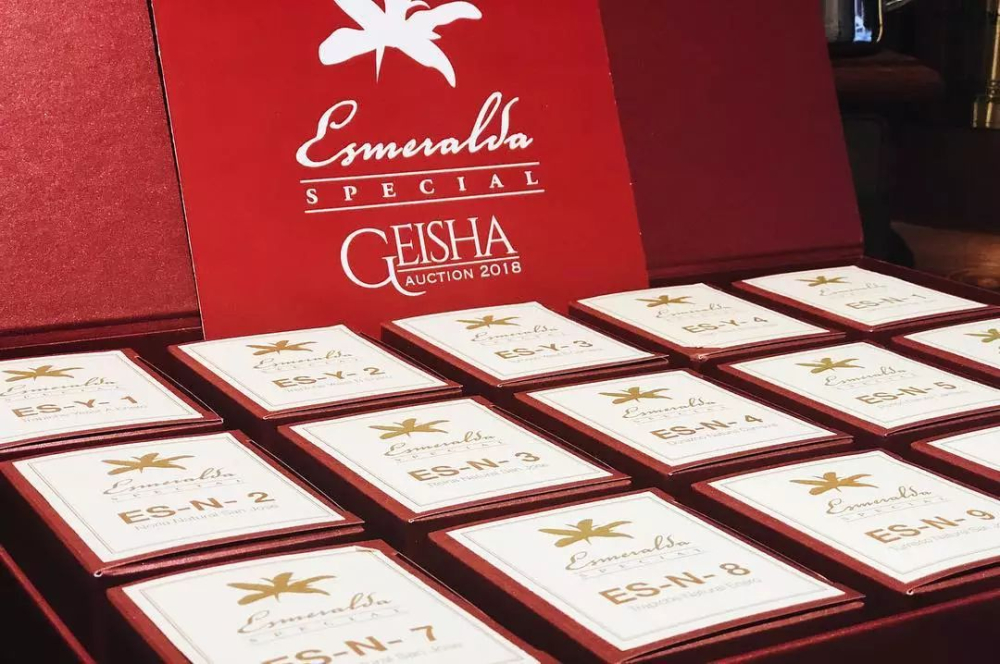
Geisha made its debut in the 2004 Best of Panama (BOP) competition, where it immediately captured market attention with its distinctive flavor. Later, at the 2017 Panamanian Specialty Coffee Auction, the natural Geisha from Hacienda La Esmeralda sold for $601 per pound, setting a record at the time — equivalent to approximately 8,900 RMB per kilogram of green beans. In 2018, the bidding price for Red Label Geisha was $340 per pound, won by HARU International Corp, while other Geisha lots were priced between $80 and $100 per pound. By 2019, the bidding price for Geisha surpassed $1,029 per pound, indicating a continuous rise in both market demand and scarcity.
The Unique Flavor and Demanding Growth Conditions of the Geisha Variety
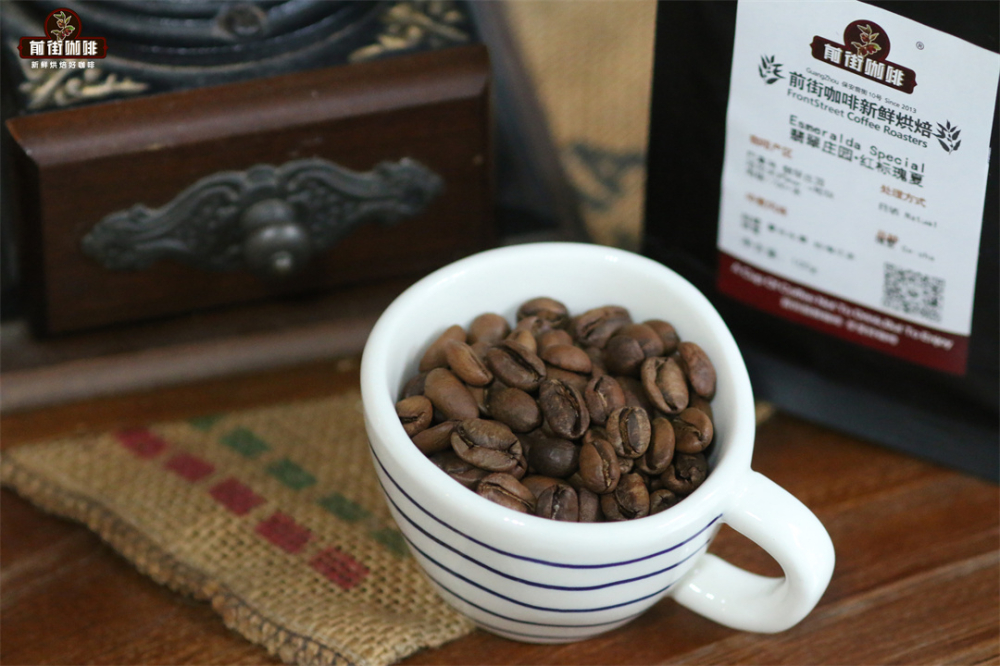
Geisha coffee is celebrated for its delicate and elegant floral aroma, complex citrus and peach-like fruit acidity, creamy mouthfeel, and a sweet aftertaste reminiscent of oolong or green tea. This flavor profile often leads people to mistake it for a premium fruit tea rather than coffee. Its unique flavor expression is closely tied to variety genetics, cultivation altitude, microclimate, soil conditions, and post-harvest processing.
However, the high price of Geisha is not solely due to its exceptional flavor; it is also an extremely rare variety. Compared to other common Arabica types, Geisha not only yields less per plant but is also quite delicate, with very high environmental requirements. Geisha thrives in high-altitude environments with cloud cover, fertile and well-drained soil, and requires protection from direct sunlight. Additionally, Geisha has thinner leaves with lower photosynthesis efficiency and more fragile root systems, resulting in slow growth and low fruit yield — typically only half that of the Caturra variety — which leads to extremely low production per unit area and further drives up its rarity and value.
How Geisha Transitioned from Competition to Global Markets
The rise of Geisha is inseparable from Panama’s Hacienda La Esmeralda. According to the third-generation owner, Daniel, he discovered this unique variety among his own planted trees after multiple tests in 2003. During cupping sessions prior to that year’s BOP competition, Geisha displayed a rich array of flavors including jasmine, citrus, peach, blueberry, bergamot, and sugarcane. Though different from the mainstream preferences of the time, he decided to enter it into the competition — and it won first place.
In 2005, Hacienda La Esmeralda sent Geisha to compete in the Specialty Coffee Association of America (SCAA) competition, where it defeated numerous other varieties and earned the honor of world-class specialty coffee. It went on to win again in 2006 and 2007, quickly making Geisha the focus of the global specialty coffee scene. Subsequently, many other producing regions, including Taiwan, began cultivating Geisha, but it is widely believed that Hacienda La Esmeralda’s natural processing method best highlights the classic flavor characteristics of Geisha.
High-Value-for-Money Geisha Option: Boquete Washed Process
Although the Red Label Geisha from Hacienda La Esmeralda is expensive, other producing regions in Panama, such as Boquete, can also produce coffee with Geisha-like characteristics. To allow more coffee enthusiasts to experience the flavor of Geisha, the market offers Boquete-grown Geisha processed with the washed method, which is relatively more affordable — around 30 RMB allows you to taste a similar flavor profile.
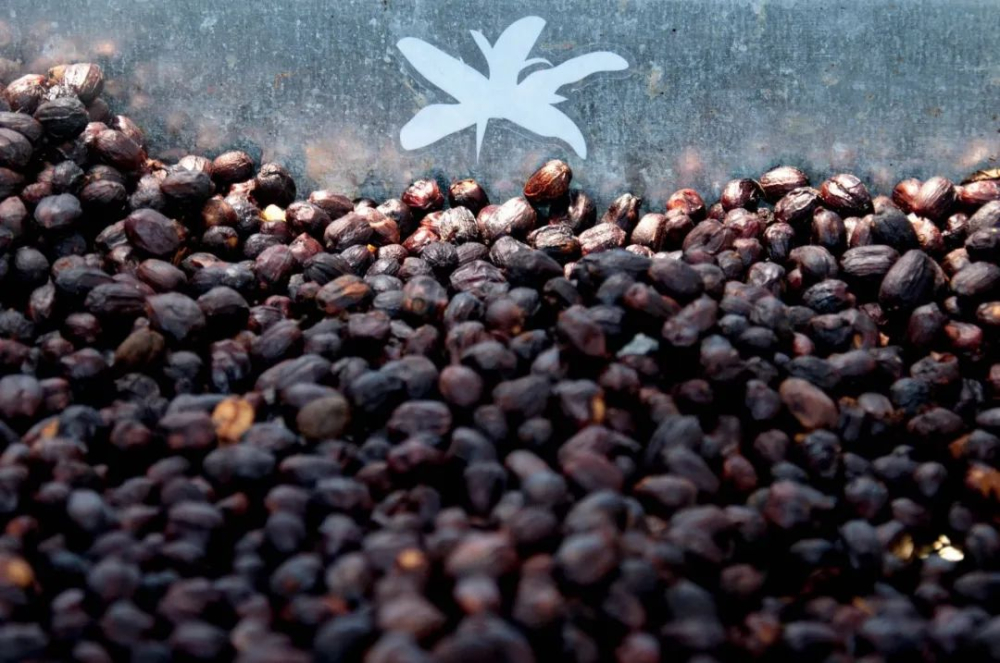
The washed process involves removing the coffee cherry's skin, fermenting to remove the mucilage, then washing and drying the beans. This method enhances the coffee’s clarity and cleanliness, making the floral and fruity acidity of Geisha more pronounced. Washed Geisha often features white floral notes, bright citrus and lemon acidity, along with a subtle green tea finish, delivering an overall clean and layered cup.
Pour Over Recommendations and Parameter Settings
Since Panamanian Geisha is mostly grown at high altitudes, the coffee beans have higher density, and it is recommended to use a medium-light roast to preserve its vibrant acidity and delicate aromas. Baristas suggest using a V60 filter cone with the following parameters for pour over:
- Water temperature:91-92°C
- Coffee dosage:15 grams
- Coffee-to-water ratio:1:15
- Grind size:Fine sugar-sized (approximately 80% passing through a #20 sieve)
It is recommended to use a three-stage extraction: first, perform a 30-second bloom with 30 grams of water to help the coffee grounds fully expand; then pour 95 grams of hot water, and when the coffee bed has descended to about half, add the final 100 grams of water until the dripping is complete. When pouring, it is advised to circle evenly from the center outward with a small stream of water to avoid over-extraction or channeling.
The brewed Geisha coffee offers a bright entrance with distinct citrus, lemon, and bergamot acidity, a smooth creamy mouthfeel, and a sweet aftertaste of green tea and honey. The overall cup is balanced and layered, making it an excellent choice for coffee lovers who enjoy fruity acidity and floral notes.
The above content is compiled by CoffeeHunters, a coffee news website.


