








Introduction:Sumatran Mandheling coffee is renowned for its distinctive flavor profile that balances bold bitterness with sweet richness, making it a favorite among coffee enthusiasts worldwide. This article delves into the characteristics of Mandheling coffee from Indonesia’s Sumatra—specifically the Lintong and Aceh regions—explores how the wet-hulling (Giling Basah) process influences its flavor, and compares the differences in performance across various grades and processing methods. It also offers brewing recommendations for pour over, moka pot, and espresso applications to help readers master the selection and brewing techniques for Mandheling.
Mandheling coffee is one of the most iconic single-origin beans from Sumatra, Indonesia, celebrated for its rich, full-bodied taste and unique herbal and spicy notes. Since its emergence in the 1960s, this deep-roasted flavor from the equatorial rainforest has spanned half a century and continues to captivate coffee lovers around the globe. This article provides a comprehensive analysis of Mandheling coffee’s unique charm from the perspectives of terroir, processing techniques, roasting applications, and brewing methods, while also comparing common offerings such as Golden Mandheling and Lintong Mandheling.
Sumatran Mandheling coffee is primarily produced in the Lintong region around Lake Toba in the northern part of the island, as well as the later-developed Aceh region. Among these, Lintong serves as the traditional core production area, utilizing thewet-hulling process(Giling Basah), which is key to shaping Mandheling’s distinctive flavor. This method differs significantly from standard washed or natural processing. During the removal of the coffee bean’s outer mucilage and parchment layers, high pressure and friction cause the green beans to dehydrate rapidly. This results in intense herbal, earthy, and woody aromas, along with pronounced notes of chocolate and caramel sweetness.
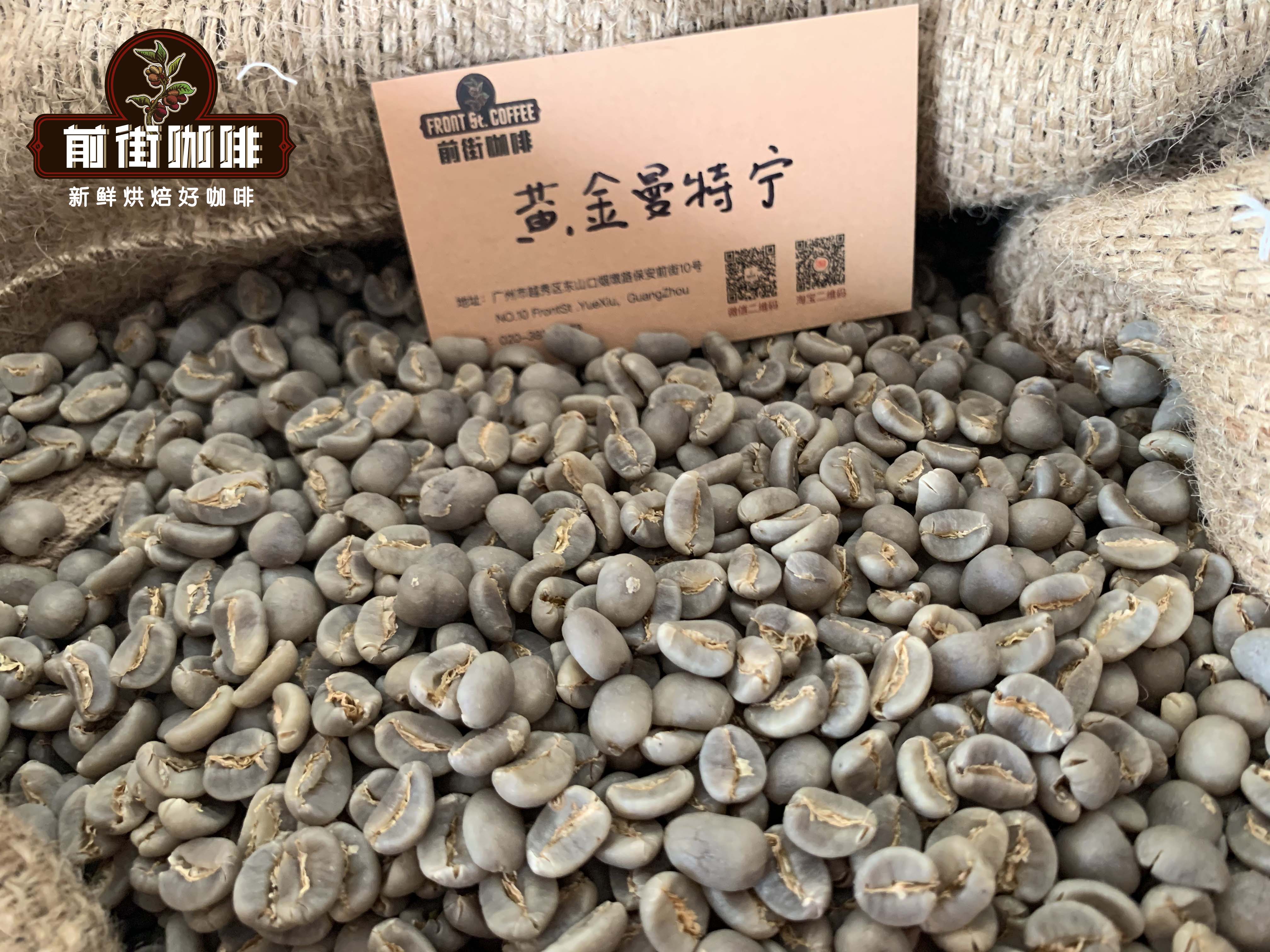
Among the commonly available Mandheling offerings on the market, one can note the distinction between Golden Mandheling produced by PWN and regular Lintong commercial-grade beans. Golden Mandheling typically usesG1 gradebeans—those with a size of 18 mesh or larger and no more than 3 defective beans per 300-gram sample—and undergoes three rounds of manual sorting to ensure higher purity of flavor and a more outstanding sweetness profile. In contrast, Lintong Mandheling also employs the wet-hulling method but may have slightly lower grade and sorting standards, making it more affordable and suitable for everyday drinking.
The uniqueness of the wet-hulling process lies in its step of “hulling before full drying.” While regular washed beans are usually hulled only after they have been dried to a moisture content of 11–12%, wet-hulling removes the outer layer when the beans still retain about 30–50% moisture. During this process, increased friction between the beans and the machinery, as well as among the beans themselves, generates substantial heat, accelerating internal changes in the bean and creating Mandheling’s signature intense earthiness, herbal aroma, and heavy body. However, if not properly controlled, this method can also lead to over-fermentation or off-flavors, making the experience and skill of the processing facility crucial.
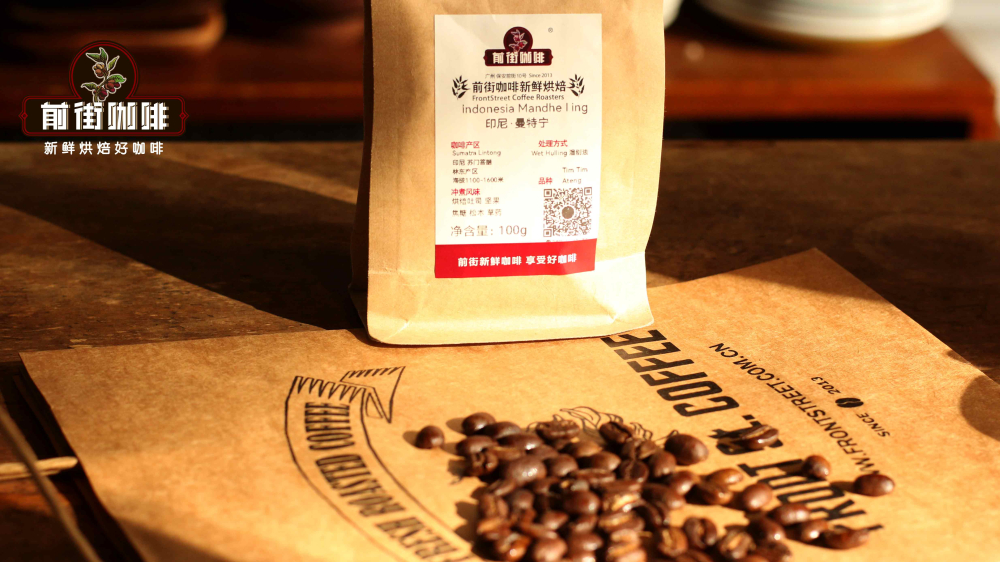
Due to its strict sorting system, Golden Mandheling often presents a cleaner acidity and brighter caramel sweetness, with more restrained and elegant spice notes. It is well-suited for medium-dark roasting, around the point just before the second crack, to preserve its rich chocolate and nutty finish while showcasing excellent sweetness and body. Lintong Mandheling, on the other hand, is typically roasted slightly darker, emphasizing intense earthy and woody notes, making it ideal for those who prefer bolder flavors and a heavier body.
In terms of brewing applications, Mandheling coffee is suitable for various extraction methods. For pour over, it is recommended to use a medium-fine grind (similar in coarseness to granulated sugar), with water temperature around 90–93°C, and a moderate water volume and flow rate to highlight its herbal and caramel layers. When using a moka pot, opt for a fine grind and control the heat to avoid over-extraction and bitterness. In an espresso machine, Mandheling is often used for single-origin espresso (SOE) or as a base in blends, especially when paired with Brazilian beans or a small amount of Robusta, it can produce a rich and balanced crema and body, making it suitable for lattes or Americanos.
In summary, Sumatran Mandheling coffee, with its unique wet-hulling process, showcases a bold, full-bodied, and multi-layered flavor profile. Whether you’re a coffee enthusiast seeking a high-quality single-origin experience or a barista looking for a reliable base bean, you’ll find a suitable option within Mandheling’s diverse expressions. Understanding regional characteristics, processing techniques, and roast levels will help you better appreciate the unique charm of this classic Southeast Asian coffee.
The above content is compiled by CoffeeHunters, a coffee news website.


