







Introduction:As a globally significant coffee-producing country, Indonesia’s diverse varieties and unique wet-hulling processing method have created a highly distinctive flavor profile. This article will take you on an in-depth exploration of the geographical characteristics and varietal differences of its three major producing regions—Sumatra, Java, and Sulawesi. We’ll analyze how wet hulling shapes the rich body of Mandheling, and detail the origins and traits of key cultivated varieties such as S795 and Tim Tim. Mastering these essential insights will help you more accurately assess the potential of coffee batches and savor the complex layers where earthiness and sweetness intertwine.
Indonesia is not only one of the world’s leading coffee producers but also renowned for its rich variety of cultivars and unique processing techniques. The country’s coffees showcase distinct flavor profiles due to variations in geography and processing methods. If you wish to delve into the mysteries of Indonesian coffee, from regional distribution and varietal genetics to processing logic, none of these aspects can be overlooked.
Indonesia’s three major producing regions include Sumatra, Java, and Sulawesi, each of which, due to its geographical conditions and historical background, has nurtured markedly different coffee styles. Among them, Sumatra is famed for Mandheling, whose full-bodied taste is inseparable from its special processing method; Java boasts a long history of coffee cultivation and was once known for its Mocha blend; while Sulawesi’s Toraja coffee has gained market attention for its unique regional flavors.
Indonesian coffee varieties can generally be divided into three main categories: Arabica, Robusta, and Liberica. Common varieties include Catucai, Catimor, Timor Hybrid, Typica, S288, S795, and Sidikalang, among others. Due to differences in climate, altitude, and soil conditions across regions, even the same variety may exhibit vastly different flavor profiles depending on the growing area. Therefore, understanding the interaction between varietal characteristics and regional environments is of great significance for predicting coffee flavor and market value.
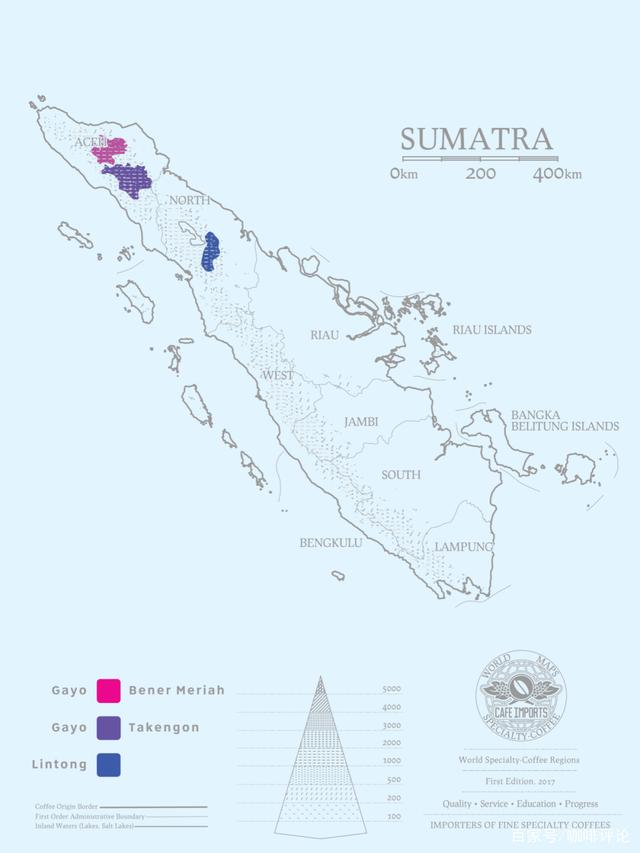
Sumatra is Indonesia’s largest coffee-producing region, with major growing areas concentrated in the northern highlands, including well-known regions such as Mandheling, Lintong, and Gayo. The name “Mandheling” is said to originate from the Mandailing ethnic group native to the area, with plantations mostly located in the mountainous regions north of Lake Toba. Lintong coffee comes from the foothills around Lake Toba, named after the small town of Lintong on the southwestern side of the lake. Gayo coffee hails from the highlands around Takengon and Lake Tawar in Aceh Province. These regions collectively shape the bold and layered characteristics of Sumatran coffee.
Java is one of the earliest regions in Indonesia to cultivate coffee and became a significant player in the global coffee market as early as the 18th century. The famous Java Mocha of that time was a blend of Java coffee and Yemeni Mocha, symbolizing the coffee style of an era. In addition, Java is also known for its monsoon or aged coffee. Although Java coffee now accounts for only about 10% of Indonesia’s total production, its potential in the specialty coffee sector remains noteworthy. Early Java coffee was primarily grown on large plantations, but over time, production shifted to smallholder farmers, with today’s high-quality Java coffee mostly coming from a few remaining large estates.
Sulawesi is best known for its Toraja coffee, produced in the Tana Toraja region of South Sulawesi, named after the local Toraja ethnic group. The region is located about 300 kilometers from the provincial capital, Makassar, and is one of Indonesia’s renowned tourist destinations. Sulawesi’s coffee industry initially supplied the Japanese market, and its unique flavors and processing methods have secured it a place in the international market.
The most representative processing method for Indonesian coffee is wet hulling, also known as Giling Basah. This method was developed in response to Indonesia’s high-humidity climate, where annual humidity often reaches 70–90%, and some areas receive over 2,000 mm of rainfall per year, making traditional drying processes extremely challenging. Wet hulling accelerates the drying of green beans by removing part of the outer protective layer in advance, reducing the drying time by two to three times compared to washed processing.
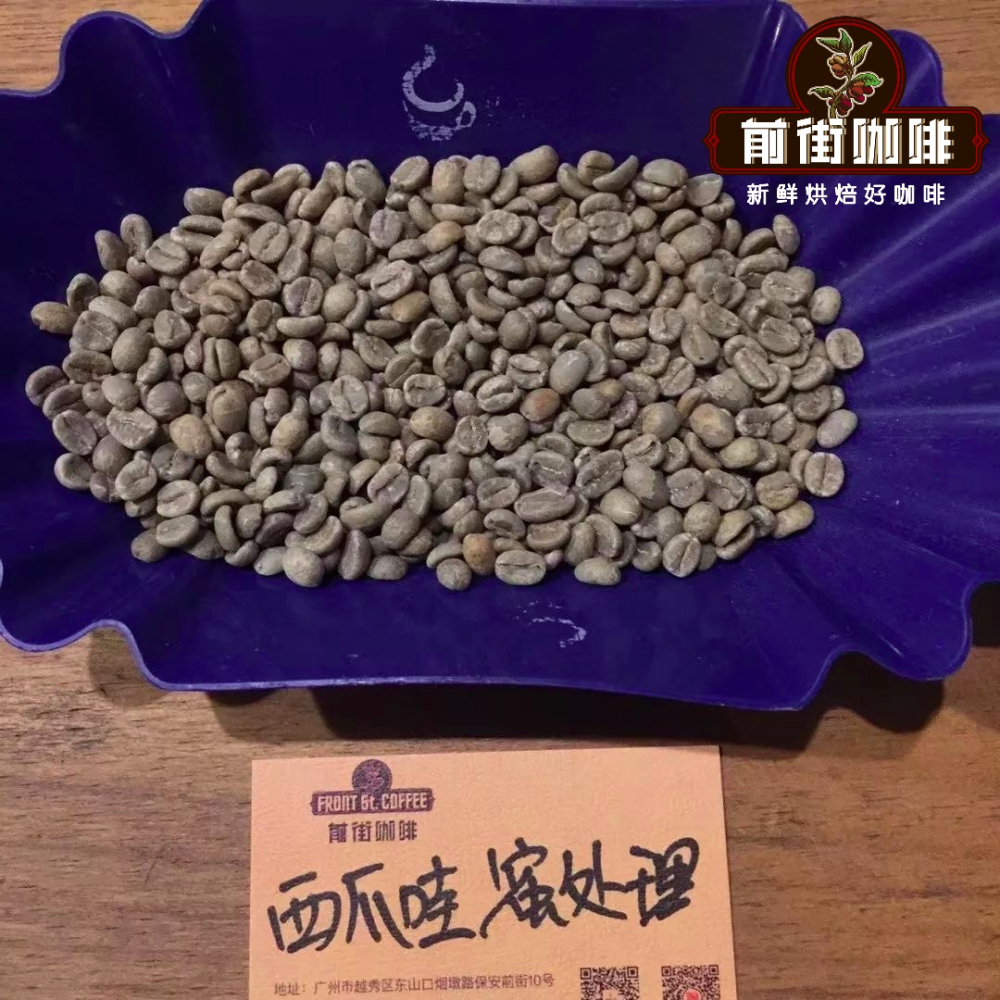
The steps of wet hulling include: first removing the skin and pulp, leaving the parchment and mucilage; then fermenting in water tanks to remove the mucilage; followed by sun-drying with the parchment for 2–3 days until the moisture content drops to 20–24%; then hulling off the parchment, and further drying the green beans to 12–13% moisture content, before finally preparing for export. During this process, because the beans are hulled in a “semi-dry” state, the bean surface is prone to damage, forming the characteristic horse hoof or sheep hoof-shaped indentations. This also contributes to the distinctive “earthy” flavor of Sumatran coffee, which, with improvements in processing techniques, has gradually transformed into a softer sweetness and more complex aromatic layers.
S795 is one of the commonly grown coffee varieties in Indonesia, known for its unique maple syrup and brown sugar flavors. This variety was introduced from India in the 1970s and is widely planted in Bali and Toraja. S795 is a hybrid of the Kent variety and Liberica, with strong adaptability, capable of growing under various altitudes and microclimates, and is relatively easy to cultivate. However, its cup quality is generally considered inferior to that of the Catuai variety.
Tim Tim, also known as Hibrido de Timor, is a natural hybrid of Arabica and Robusta, first discovered in the early 20th century. This variety gained popularity in the 1950s due to its high resistance to diseases such as leaf rust. In different regions, Tim Tim has given rise to various locally adapted varieties, such as Gayo 1 in Sumatra and Kopyol in Bali. Its cup profile often exhibits the high body characteristic of Robusta, and it also serves as an important genetic resource in global breeding programs.
USDA762 is a variety introduced to Indonesia from Ethiopia in the 1950s, initially planted in the Mizantanfari region of East Java. This variety, which has some resistance to leaf rust, was once widely cultivated in Indonesia’s volcanic regions. Although its flavor profile is not as prominent as other varieties, it still holds certain planting value in high-altitude areas. With the emergence of more resistant Robusta hybrids, the cultivation area of USDA762 has gradually decreased.
Kartika is a local Indonesian variety of Catuai, known for its adaptability to the local environment. However, this variety has weaker disease resistance and requires higher fertilizer input. Nevertheless, in the Wonosobo region of Central Java, Kartika remains favored by some farmers due to its stable yield and good market demand.
Andungsari is a coffee variety that has garnered significant attention in Indonesia in recent years. It is a dwarf coffee plant suitable for high-altitude cultivation (above 1,250 meters). Developed by the Indonesian Coffee and Cocoa Research Institute through selection of the Catimor lineage, it offers high yields and excellent cup quality. However, its cultivation and maintenance costs are relatively high, and it is currently mainly grown in the Kayo Aro region of Jambi Province in Sumatra.
The above content is compiled by CoffeeHunters, a coffee news website.


