








Introduction:This article delves into two classic coffee beans from Panama’s Elida Estate—Geisha and Typica—offering a comprehensive product analysis covering growing region environment, variety characteristics, processing methods, and roasting recommendations. It not only details the technical aspects of anaerobic fermentation and natural sun-drying processes but also shares practical pour over parameters and brewing suggestions to help you recreate those captivating floral-fruity aromas and rich layered profiles at home.
Panama’s Elida Estate is widely recognized as one of the top representatives in the international specialty coffee scene, particularly renowned for its Geisha variety, which has consistently achieved outstanding results in international competitions. In past BOP (Best of Panama) competitions, Elida’s Geisha entries—processed with anaerobic fermentation and low-temperature slow natural drying—won the Geisha Processing Category Championship, showcasing unparalleled aroma and complexity. This article will comprehensively break down Elida’s two flagship coffee beans—from regional background, variety features, processing techniques, roasting advice, to practical pour over methods—offering useful references for both beginners and advanced enthusiasts.
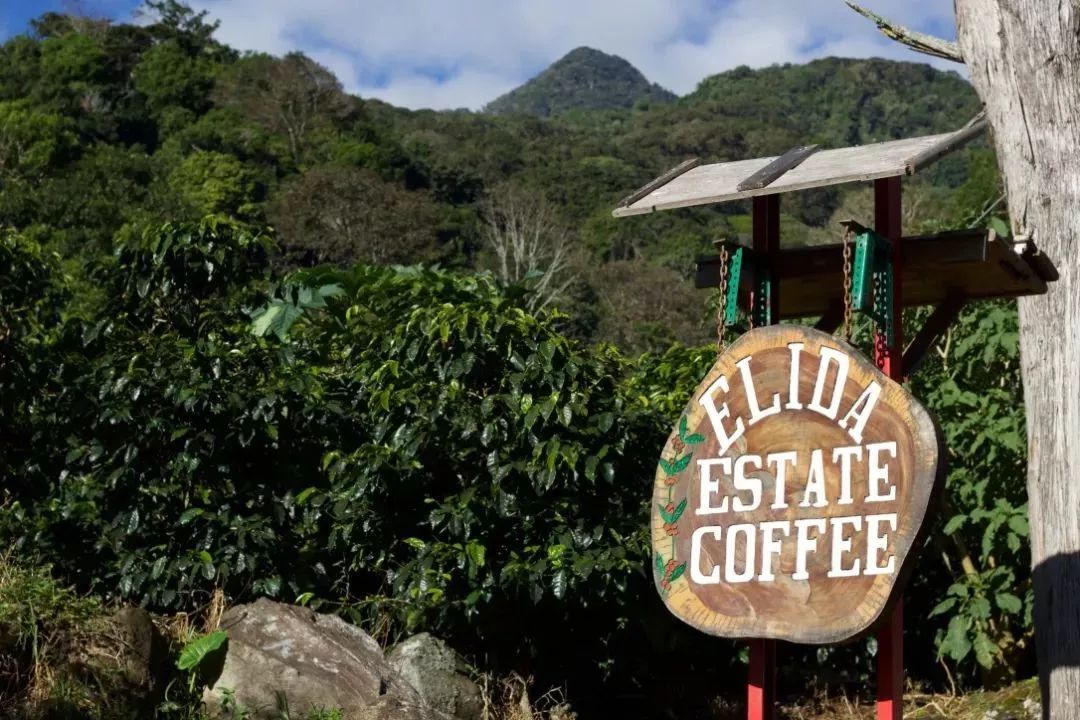
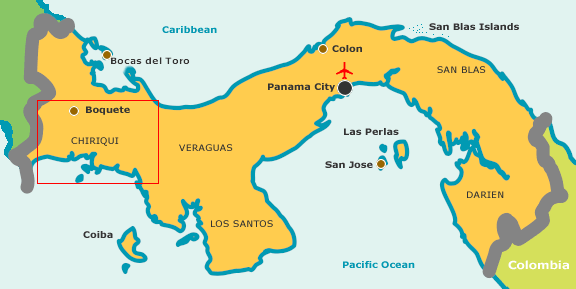
Elida Estate is located in Panama’s renowned Boquete region, adjacent to the Volcán Barú. With high altitude, cool and variable climate, and fertile volcanic soil, it provides an ideal environment for coffee cultivation. The microclimate here is diverse, featuring significant day-night temperature variations and stable rainfall, all of which contribute to the distinct and layered flavor profiles inherent in the coffee. Not only is Elida Estate blessed with exceptional geographical conditions, but it also boasts over a century of coffee cultivation history and has won numerous awards in international competitions.
Covering an area of approximately 65 hectares, Elida Estate devotes only about 30 hectares to coffee cultivation, with the rest preserved as native forest. The coffee is grown at elevations ranging between 1670 and 1850 meters, making it one of the few high-altitude estates in Panama. Such an environment not only slows down the ripening process of the coffee cherries but also promotes the accumulation of sugars and flavor compounds—one of the key factors behind the exceptional quality of Elida coffee. The estate is managed by the Lamastus family, who have been dedicated to cultivating and processing high-quality coffee since 1918.
The estate primarily grows three varieties: Geisha, Typica, and Catuai. Among them, Geisha, due to its high environmental requirements, thrives only under conditions of high altitude, cloud cover, and fertile soil—making Elida its ideal home. Typica is an ancient Arabica variety; although it yields less, it is valued in the specialty coffee market for its elegant flavor profile and high cupping scores. Catuai, on the other hand, is favored for its wind and disease resistance and stable yield, performing well even in rainy regions.

Elida’s Geisha coffee employs anaerobic fermentation combined with low-temperature slow natural drying—a key factor in its championship success. During processing, freshly harvested coffee cherries are first placed in sealed containers for 4 to 5 days of anaerobic fermentation, helping to develop intense and complex aromatic layers. Subsequently, the coffee berries are spread out on drying beds and processed with extremely low temperatures and slow drying over several weeks to ensure stable flavor development. While this method extends the processing time and significantly increases reliance on weather and environmental conditions, the resulting floral-fruit aromas and honey-like sweetness are truly unforgettable.
In contrast, Elida’s Typica offering uses traditional natural sun-drying, also undergoing a lengthy low-temperature maturation period—approximately five months or more of resting—which helps eliminate the grassy notes in green beans and achieves a better balance between sweetness and body. This “low-temperature Resting” technique, promoted by coffee expert George Howell, effectively enhances the final flavor expression and represents one of Elida Estate’s commitments to quality.
Regarding roasting recommendations, Elida’s Geisha, with its slender bean shape and medium density, is suited for light roasting to highlight its bright acidity and floral-fruit character. It is recommended to start with an inlet bean temperature of around 160°C, then reduce the heat and increase the air vent once the first crack begins to prolong the development of aroma and sweetness. For Typica, a light-to-medium roast is advised, using gentle heat control to preserve its elegant green-tea-like tones and dried-fruit sweetness while avoiding excessive roasted notes that could affect taste balance.
For pour over parameters, it is recommended to use a V60 filter, with water temperature controlled at 90°C, a powder-to-water ratio of 1:15, and grind size at approximately 80% passing through a #20 sieve. A three-stage pouring method is suggested: start with 30 grams of water for a 30-second bloom, then pour 95 grams of water, followed by a pause when the water level drops to around 125 grams, and finally pour up to 225 grams before ending extraction, with a total brew time of about 2 minutes. These parameters are suitable for both beans and can fully showcase their flavor layers and aromatic profiles.

In terms of flavor profile, Elida’s Geisha exhibits pronounced floral, berry, and citrus notes. Upon tasting, you can perceive layers of pomelo, guava, and honey, with a creamy and black-tea-like softness in the aftertaste. Typica, on the other hand, highlights main notes of peach, raisin, and cantaloupe, paired with a green-tea-like refreshing tea sensation and sugarcane sweetness. The overall mouthfeel is smooth and clean. Both beans demonstrate the exquisite results achieved by Elida Estate through high-altitude cultivation and special processing techniques.
In summary, whether you are drawn to the floral-fruity notes of Geisha or prefer the classic elegance of Typica, these two coffee beans from Elida Estate offer an ultimate tasting experience. Understanding their regional characteristics, processing technologies, and roasting recommendations will help you replicate professional-grade coffee flavor profiles at home with the right pour over method. With the correct parameters and techniques, you too can enjoy the refined charm of high-mountain coffee from Panama.
The above content is compiled by CoffeeHunters, a coffee news website.


