







Introduction:Drip bags combine the quality of pour over with the convenience of instant brewing, making them an excellent coffee choice for busy lifestyles. This article delves into the origins and characteristics of drip bags, and introduces you to 7 classic single-origin drip bag options—from Golden Mandheling to Yunnan small beans—detailing each one’s flavor profile and processing differences. It also offers expert brewing advice for both hot and iced drinks, helping you easily brew professional-grade drip coffee at home.
Thanks to their ease of use, drip bags have become a daily favorite for many coffee enthusiasts. However, beans from different brands and regions often deliver vastly different flavor experiences. Focusing on a multi-region drip bag series, this article starts with the invention background of drip bags, explores the evolution of this Japanese innovation, and explains two practical brewing methods: hot brew and cold brew. Additionally, we take an in-depth look at the unique flavor characteristics and processing techniques of seven drip bag offerings: Golden Mandheling, Panama Geisha Butterfly, Yirgacheffe Red Cherry, Brazil Red Bourbon, Colombia Huila, Costa Rica Tarrazú, and Yunnan Small Beans—to help you enjoy high-quality drip coffee consistently, even with a hectic schedule.
Even when using the same batch of beans, pre-ground coffee packed in drip bags will show a difference in aroma and flavor compared to freshly ground coffee. This is because once coffee is ground, its volatile aromatic compounds begin to dissipate rapidly. Many consumers are accustomed to buying pre-ground coffee, and we recommend drinking it as soon as possible to enjoy the best flavor. Compared to the more elaborate steps of pour over, drip bags are undoubtedly a more time-saving and labor-saving option—especially suitable for those with busy routines who struggle to set aside time for a refined brewing session.
The drip bag series spans multiple well-known coffee regions, with each variety showcasing unique regional flavors. Some of the more distinctive ones include Yirgacheffe, Brazil Cerrado, Kenya Little Tomato, Geisha Butterfly, Mandheling, and Honduras SHG. For customers interested in turning other special bean varieties into drip bags, personalized customization services are also available. One customer, impressed by Golden Mandheling after tasting it in-store but unable to grind it themselves, was offered an on-the-spot drip bag to meet their needs.
When discussing the origins of drip bags, one must mention Japanese coffee culture. When people think of Japanese coffee, they often first think of the refined pour over culture. However, for young office workers with fast-paced lives, the time and skill required for pour over can be hard to accommodate. It is against this backdrop that drip bags were born.
In 1990, Japan’s Yamayan Sangyo Co., Ltd., inspired by tea bag design, first introduced this concept to the coffee world, creating the first generation of filter-drip coffee and applying for a patent. However, the design had clear flaws: the paper-based holder could not stably support the weight of the coffee grounds and water during brewing, often causing it to lose balance or even tip over—so it never made it to market. It wasn’t until 1998 that Daiki Shoji improved the original structure by extending the ear portions outward, resulting in the prototype of the drip bags we know today.
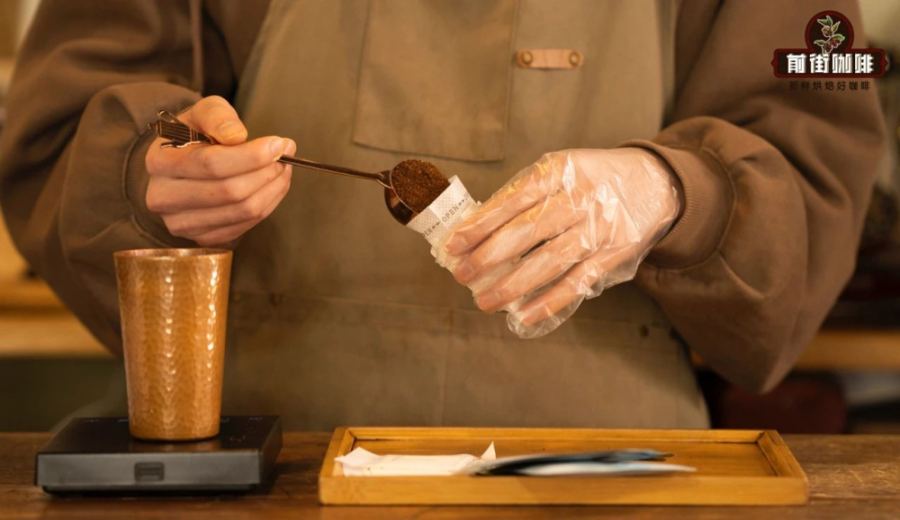
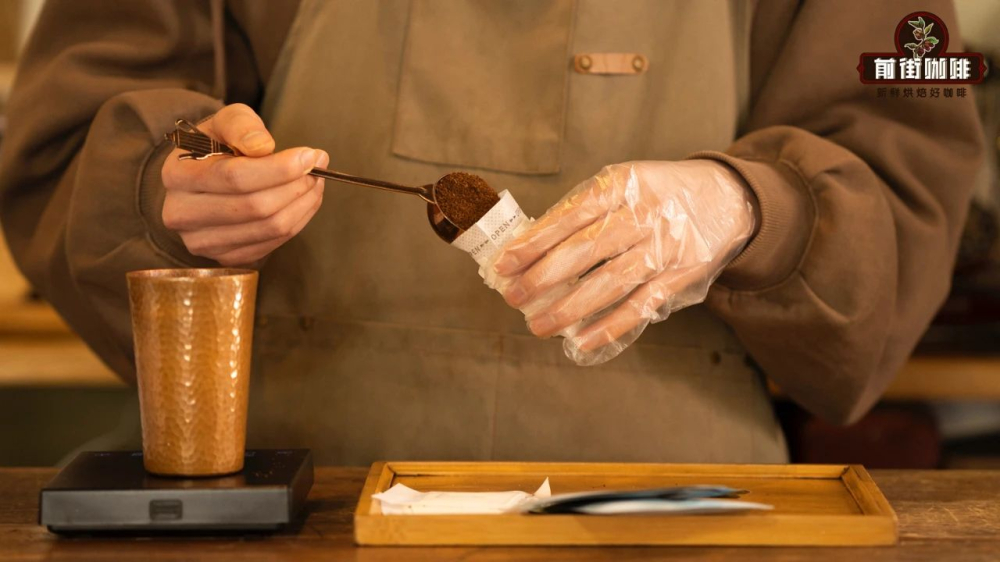
Using drip bags is actually quite intuitive, requiring only mastery of a few key steps. First, pay attention to the tear notch on the packaging—open it carefully to avoid using too much force, which may deform the drip bag holder. It’s recommended to use a cup with a moderate rim size to ensure the drip bag sits securely.
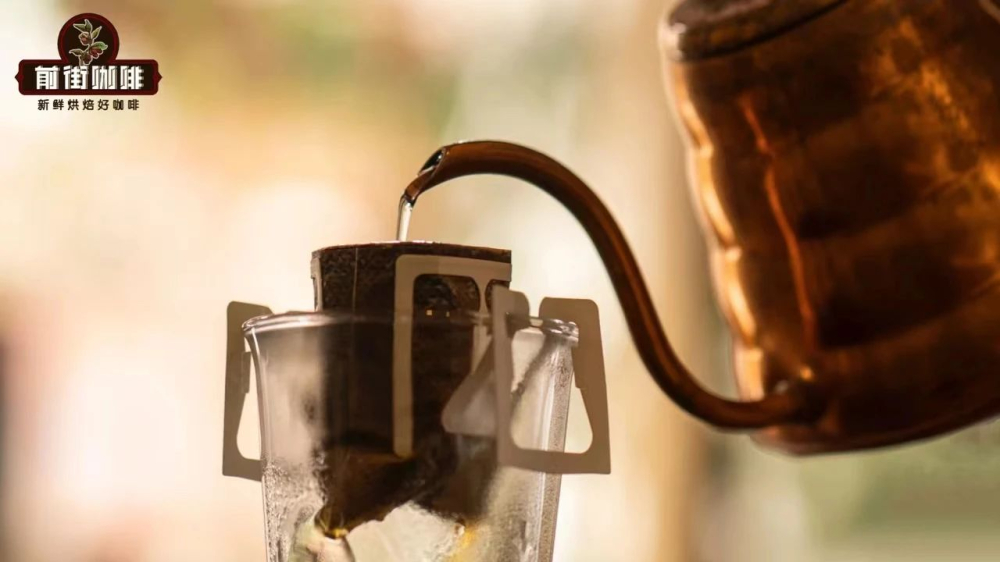
Next, pour about 90°C hot water, first wetting the coffee grounds for a 20 to 45-second bloom to help release the coffee’s aromatic molecules. Each drip bag contains a standard 10 grams of coffee; it’s advised to follow a 1:15 coffee-to-water ratio, pouring about 150 ml of hot water. If you prefer a stronger taste, you can reduce the water slightly; for a lighter flavor, add more water—the ratio can be flexibly adjusted to suit personal taste.
As for whether you need to pour in stages, many beginners often wonder. In fact, a steady, small stream of water in a circular motion to reach 150 ml is sufficient—drip bags prioritize simplicity and don’t require overly complicated steps.
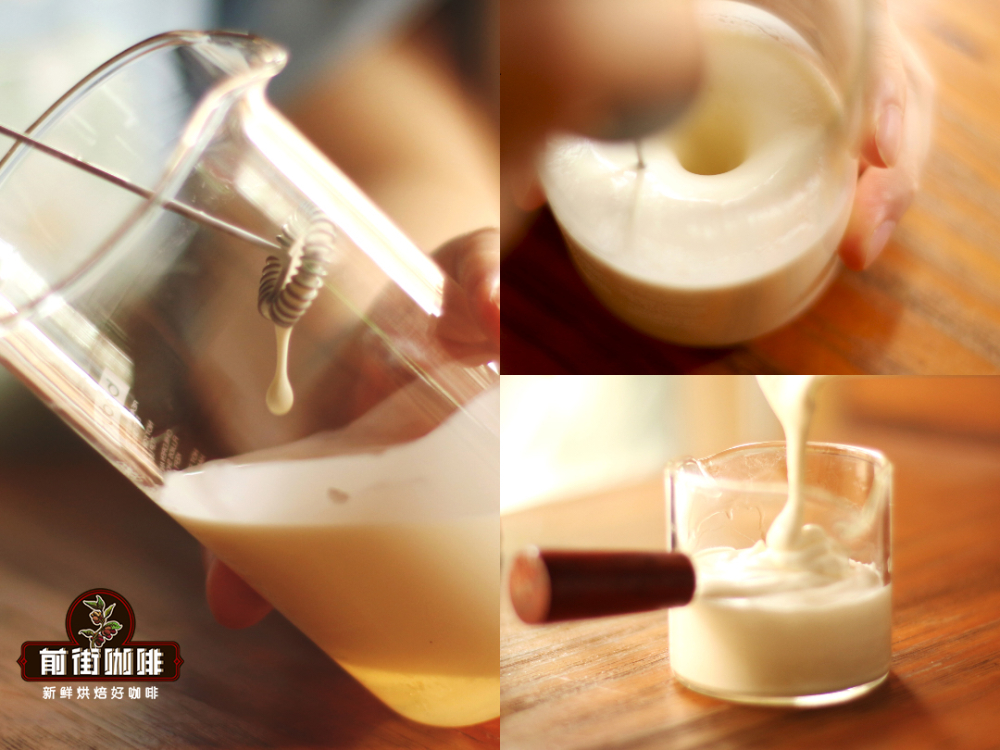
After pouring, wait for the coffee to finish dripping, then remove the drip bag. You can then add sugar or milk according to your preference. If you choose to add milk, it’s recommended to brew the coffee slightly stronger and mix it at about a 1:8 coffee-to-milk ratio. For an upgrade to a latte, you can use a milk frother to create foam and add texture to the drink.
If you want to make an iced drink with a drip bag, you’ll need to adjust your brewing strategy. Brewing directly and then adding ice often leads to diluted flavors. Here’s a simple method for making iced coffee: prepare materials including ice cubes, a short glass, hot water, and a drip bag—if you have a digital scale, even better.
① Open the drip bag packaging, tear along the “open” mark, unfold the drip bag holder, and securely place it on the short glass.
② It’s recommended to control the water temperature at around 93°C. If you don’t have a thermometer, you can boil the water, then let it sit uncovered for about 2 minutes—the temperature will then be around 90–94°C.
③ Pour 100 ml of hot water into the filter bag, ensuring the coffee grounds are fully saturated, then let it sit for 3 minutes before removing the filter bag.
④ Finally, add ice cubes to cool it down. It’s recommended to pour the hot coffee liquid into a cup that already contains ice cubes, which helps preserve the flavor and prevents rapid melting that could affect taste.
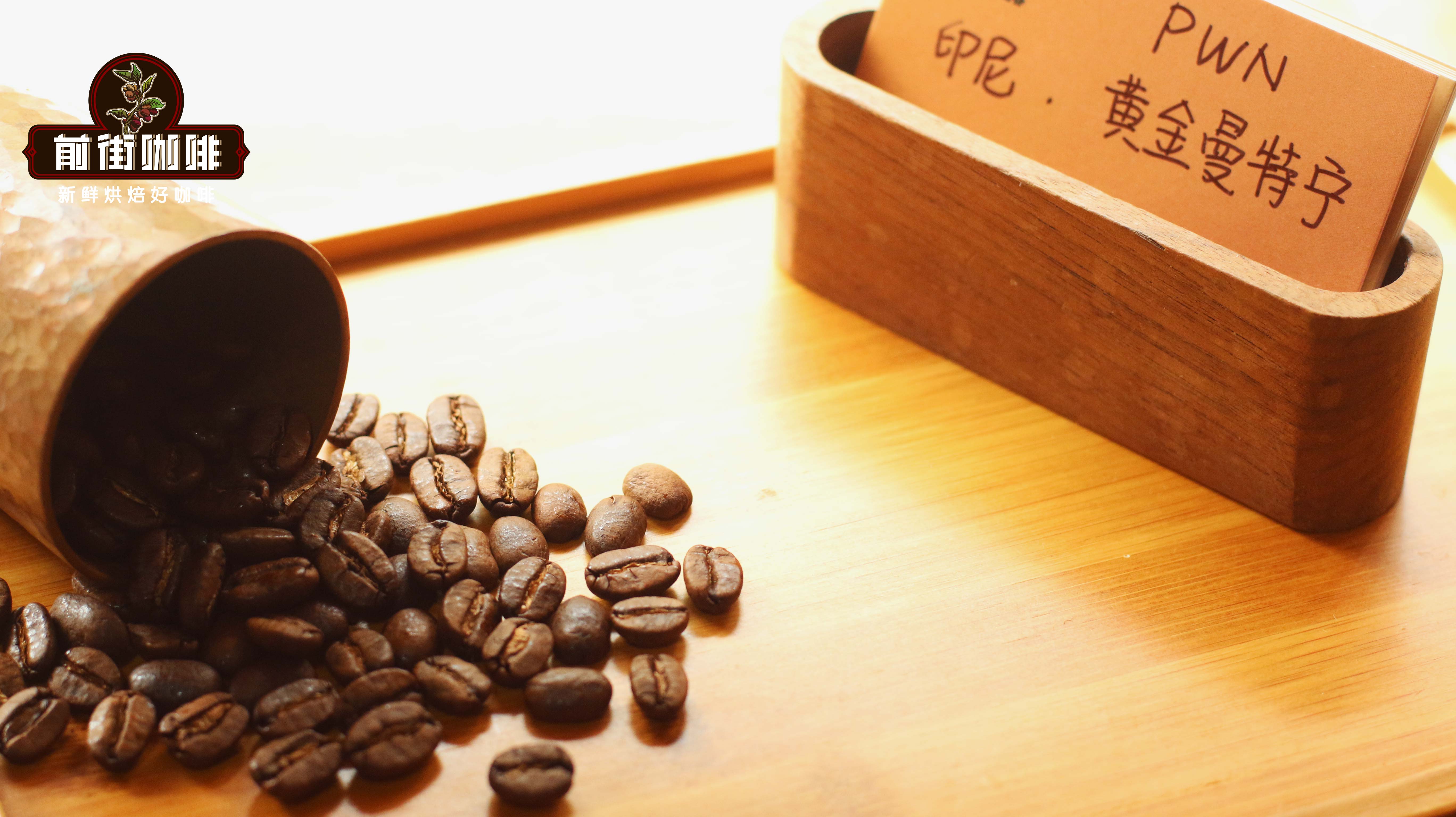
Among the many drip bag brands, several products stand out. First is the Golden Mandheling drip bag coffee. In recent years, Mandheling has seen increasing attention, especially in places like Shanghai and Taiwan, where consumers generally favor its rich and bold flavor. This coffee comes from PWN, a well-known green bean supplier in Indonesia—the first company to collaborate with Japan in promoting and registering the “Golden Mandheling” trademark. This coffee undergoes three rounds of strict hand sorting, with uniformly sized beans and even coloration after roasting. It has a clean, mellow taste, reminiscent of Guangdong herbal tea, and is especially popular among consumers in the Guangzhou area.
The processing method it usesis wet hulling—a distinctive technique developed in Indonesia due to its geological and climatic conditions. In the conventional washed process, coffee is dried with its parchment layer for 2–3 days in the sun until the moisture content drops to 20–24%, after which the parchment is removed. This method has become a symbolic representation of Indonesian coffee, rich in regional character.
Next is the Panama Geisha Butterfly drip bag coffee. While Panama is famed for the Gesha variety from Hacienda La Esmeralda, the Geisha Butterfly has 70% Gesha lineage, combined with Catuai and Caturra varieties, and is grown at 1,600 meters in the Baru volcano region of the Boquete area. The microclimate here is excellent, with large day-night temperature variations and abundant rainfall, plus meticulous harvesting and processing—resulting in impressive performance in body, acidity, and floral notes, yet at a relatively accessible price and excellent cost-performance ratio.
This variety usesthe washed process—fermenting in water tanks to break down the mucilage layer, followed by washing and drying—which preserves bright acidity and fruity aromas.
The Yirgacheffe Red Cherry drip bag coffee comes from a well-known Ethiopian initiative. The Red Cherry Project, launched by Dutch green bean trader Trabocca, aims to improve coffee quality and farmer income. This natural Red Cherry processes whole coffee cherries—including fruit skin and pulp—under the sun for over two weeks before the beans are removed. This method gives the coffee rich sweetness and body, with relatively soft acidity. Though it may be slightly less clean than washed processed coffee, it offers a complex flavor profile.
The Brazil Red Bourbon drip bag coffee showcases the classic profile of Brazilian coffee. Since coffee was introduced to Brazil in 1720, the country has gradually become the world’s largest exporter. This variety usesthe semi-washed (pulped natural) process—removing part of the mucilage and then applying short sun drying—which effectively reduces the earthy and woody notes often found in traditional Brazilian beans while enhancing fruitiness and sweetness. It’s ideal for consumers who prefer low-acid, full-bodied flavors.

The Colombia Huila drip bag coffee represents the typical characteristics of Colombian coffee. This region features mountainous terrain with coffee planted on slopes of valleys, enjoying optimal conditions of high altitude and mild temperatures. Local farmers mostly hand-pick the cherries and primarily use the washed process, resulting in a smooth mouthfeel and rich flavors of nuts and chocolate.
The Costa Rica Tarrazú drip bag coffee is known for its balanced profile. The Tarrazú region, located south of the capital San José, is one of Costa Rica’s important coffee-producing areas. These beans are plump, with strong notes of chocolate and nuts, moderate acidity, and a silky, captivating mouthfeel.
Lastly, there’s the Yunnan Small Beans drip bag coffee. Two types of Yunnan beans are offered: washed Typica and Catimor. The former is labeled as specialty coffee, while the latter is commonly referred to as small beans in the market. Both are medium roasted, showcasing a base flavor of nuts and brown sugar with soft fruity acidity—suitable for those who prefer balanced profiles. Yunnan coffee was once underrated, but with advances in cultivation techniques and post-harvest processing, its quality has now earned widespread recognition, making it a great choice for coffee lovers looking to explore new flavors.
The above content is compiled by CoffeeHunters, a coffee news website.


