







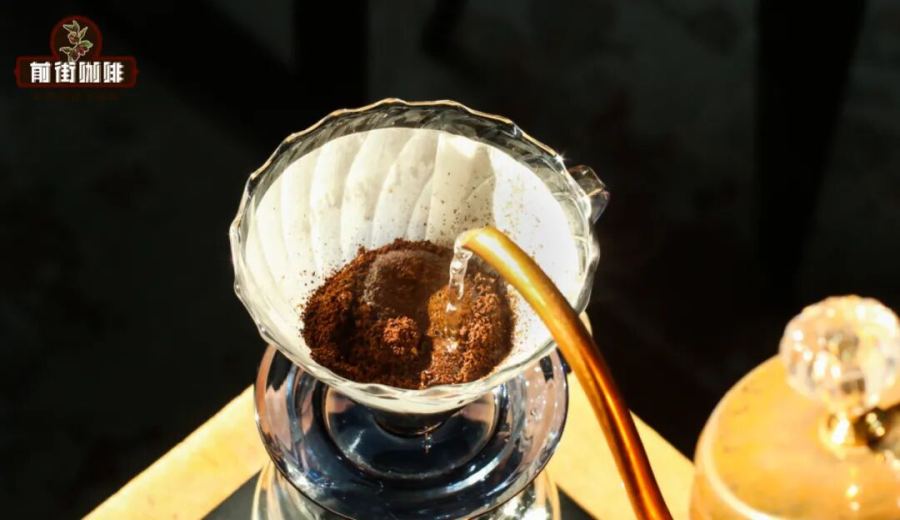
Introduction:Want to easily brew a balanced and delicious pour over coffee? This guide teaches you how to use a cake-style filter cone with a simple two-stage pouring method—no advanced skills needed to steadily extract layered flavors. Taking Emerald Estate Diamond Mountain as an example, it detailsa 1:16 coffee-to-water ratio,a water temperature of 94°C, and other key parameters, while analyzing the resulting citrus, green tea, and floral flavor notes. It’s perfect for beginners and coffee lovers seeking efficiency.
The essence of pour over lies in mastering the details—from water flow speed to pouring rhythm—each step affects the final flavor. But if you’re tired of complicated three-stage techniques, try this simplified approach inspired by Norwegian barista Patrik Rolf. By fixing the time and water volume and using a flat-bottomed cake filter cone, you can consistently brew well-balanced coffee.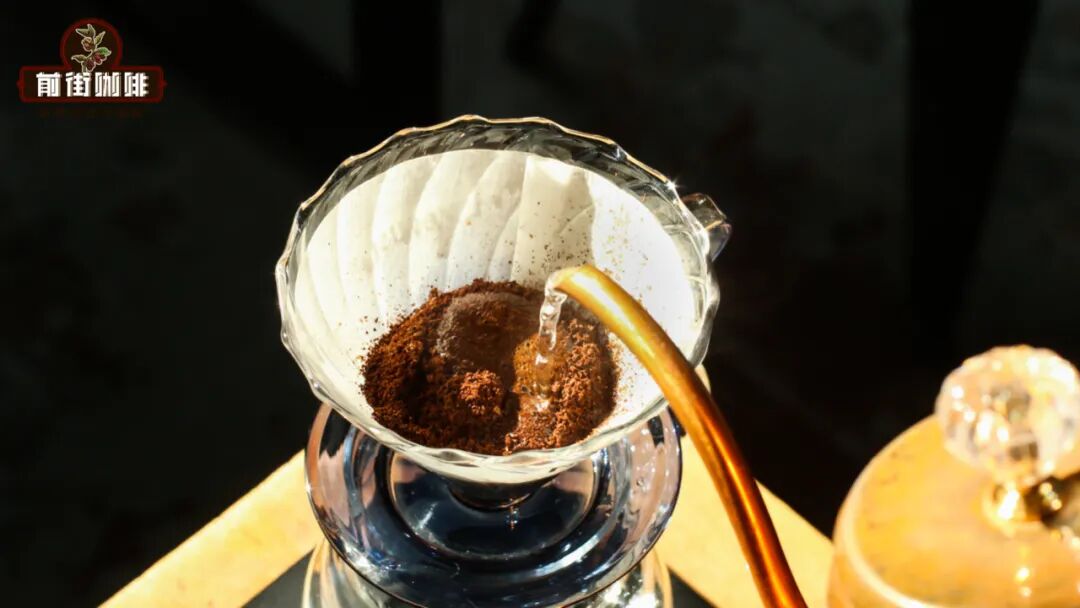
Patrik Rolf isn’t just the 2019 World Brewers Cup runner-up; his April Coffee brand is also known for its pragmatic philosophy. His shared two-stage pouring method breaks the traditional constraints of time and water flow. Simply divide the total water volumeof 240ml into two equal parts of 120ml each, and complete the pours within the preset time to reduce the error rate.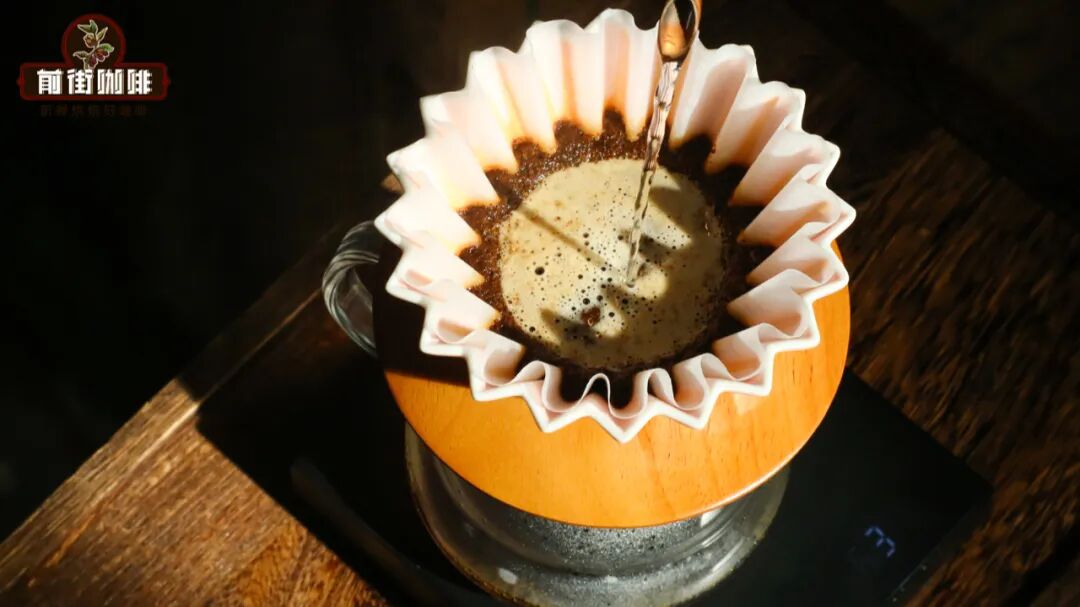
Why specifically recommend a cake filter cone? Its flat bottom ensures even distribution of coffee grounds, avoiding over- or under-extraction in localized areas. The slower flow rate extends the contact time between hot water and the coffee bed. Paired with the segmented pouring, it creates an immersion-like effect, resulting in more thorough and consistent extraction. Moreover, this method works for all roast levels—light roasts highlight fruity acidity and floral notes, while dark roasts enhance a rich mouthfeel.
This test used Emerald Estate’s washed Diamond Mountain beans, a classic medium-light roasted single-origin with bright citrus tones and a green tea finish.Suggested parameters: 15g coffee, 1:16 ratio, fine sugar grind size (close to extra fine) with 90% passing through a #20 sieve, water temperature at 94°C, using an Origami paper filter cone (a type of cake filter).
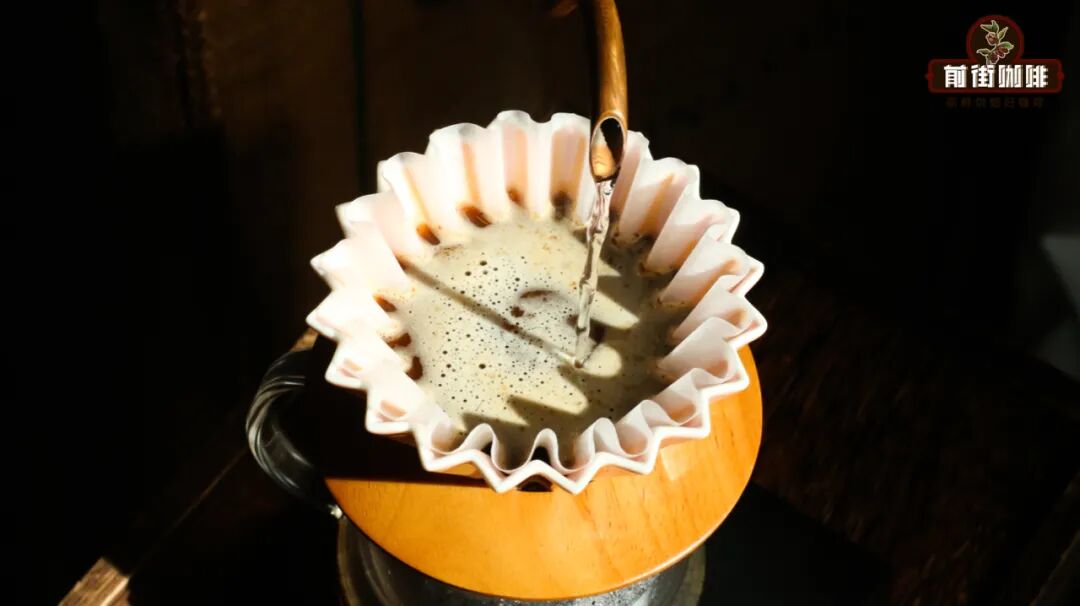
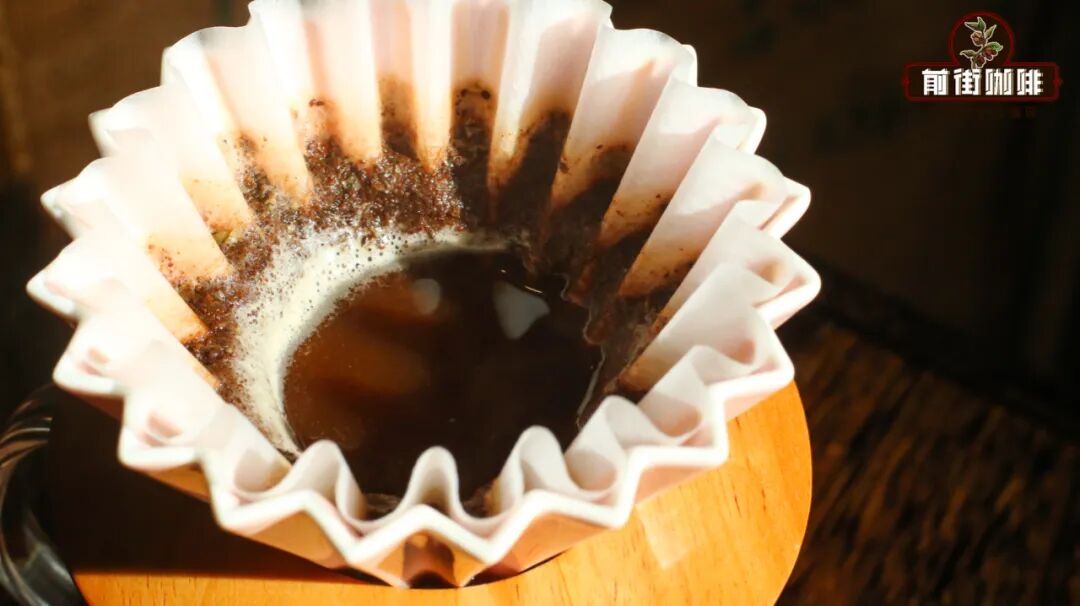
The actual process is divided into two stages:The first stage involves pouring 120ml of hot water within 50 seconds, starting from the center of the coffee bed with a medium flow rate, slowly moving in a circular motion from the inside out to the edge of the cone, maintaining a wide circle until the water is exhausted—this will create a noticeable depression in the coffee bed.After a 30-second pause, the second 120ml pour is completed within 1 minute, continuing the same center-starting, wide-circle technique to ensure even extraction.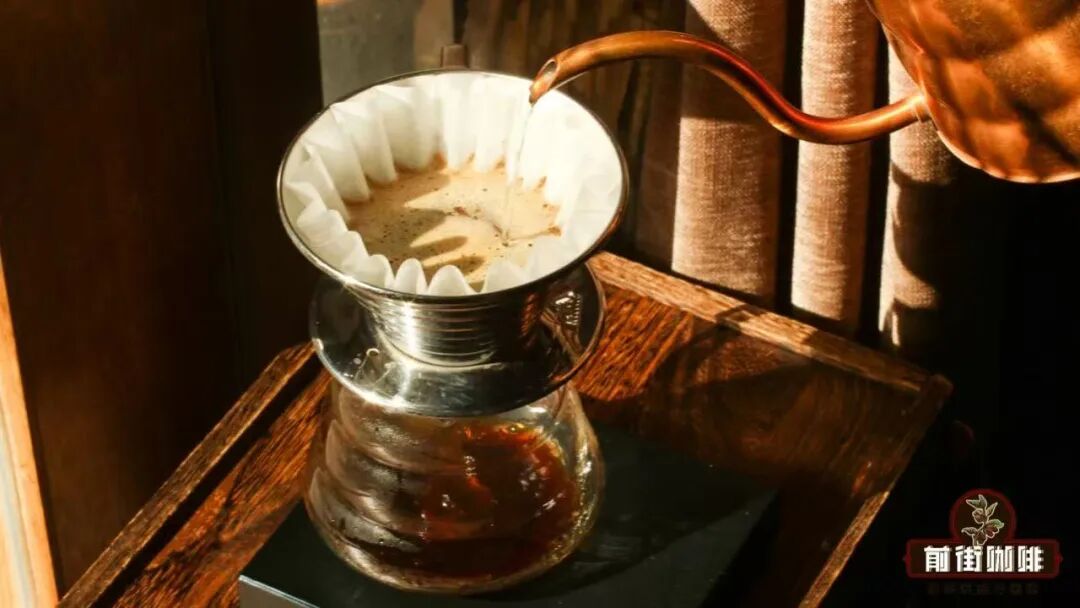
The entire process takes approximately2 minutes and 30 seconds to fully drip through. The resulting cup surprises with a delicate start of subtle white flowers and lemony acidity, transitioning to a refreshing green tea note in the mid-palate, and finishing with a hint of honey sweetness. The overall profile is well-layered and free of astringency. Notably, this method has a slightly lower extraction efficiency, so consider adjusting to a finer grind (e.g., increasing to 95% sieve passing rate) or raising the water temperature to 95°C to enhance flavor extraction.
Common issues to watch for: If the cup tastes overly sharp or thin, it may be due to fast water flow leading to under-extraction—try a slower circular motion. If bitterness is pronounced, check if the grind is too fine or the water too hot. The slow nature of the cake filter cone already extends contact time, so there’s no need to deliberately lengthen the intervals between pours.
In summary, this two-stage pouring method is a practical choice for busy daily routines or beginners, simplifying the process while still achieving balanced flavors. Paired with high-quality beans like Emerald Estate Diamond Mountain, it highlights their refined fruit acidity and floral characteristics—perfect for coffee lovers who value efficiency without compromising taste.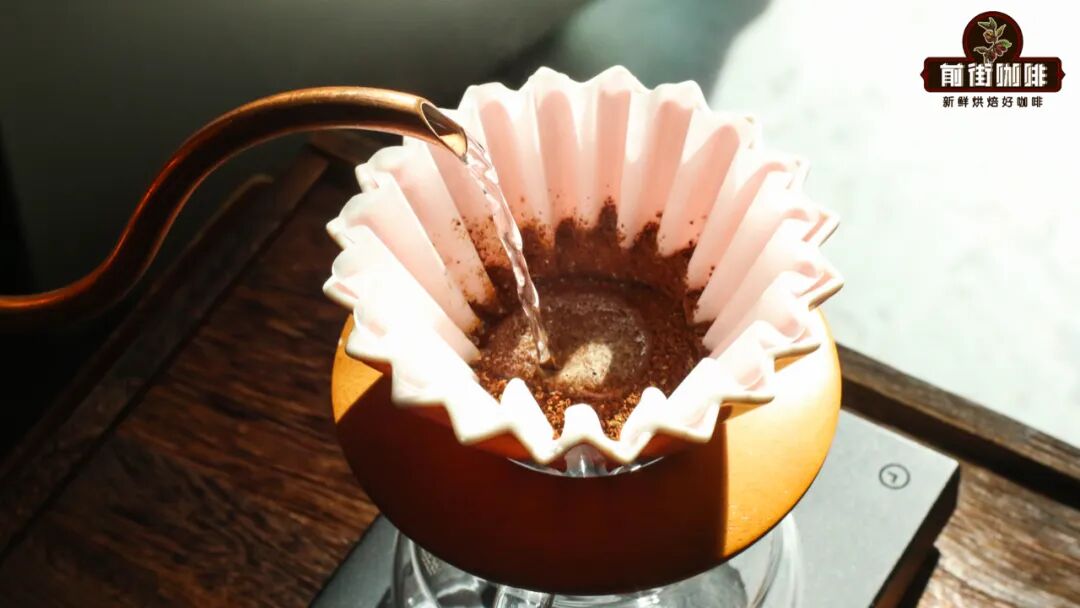

The above content is compiled by CoffeeHunters, a coffee news website.


