







Introduction:To easily make cold brew coffee with balanced flavors at home, mastering the steeping time is key. This article delves into the optimal steeping duration for cold brew, the interplay between coffee-to-water ratio and grind size, and compares the flavor profiles across different steeping times through practical testing to help you find the best parameter combination tailored to your taste.
Cold brew is one of the most popular homemade iced coffees among coffee enthusiasts—not only because it suits most coffee bean varieties but also due to its simple brewing method that doesn’t require expensive equipment, making it easy even for beginners. However, despite its low barrier to entry, achieving rich flavor layers and balanced mouthfeel in cold brew still involves many details worth noting.
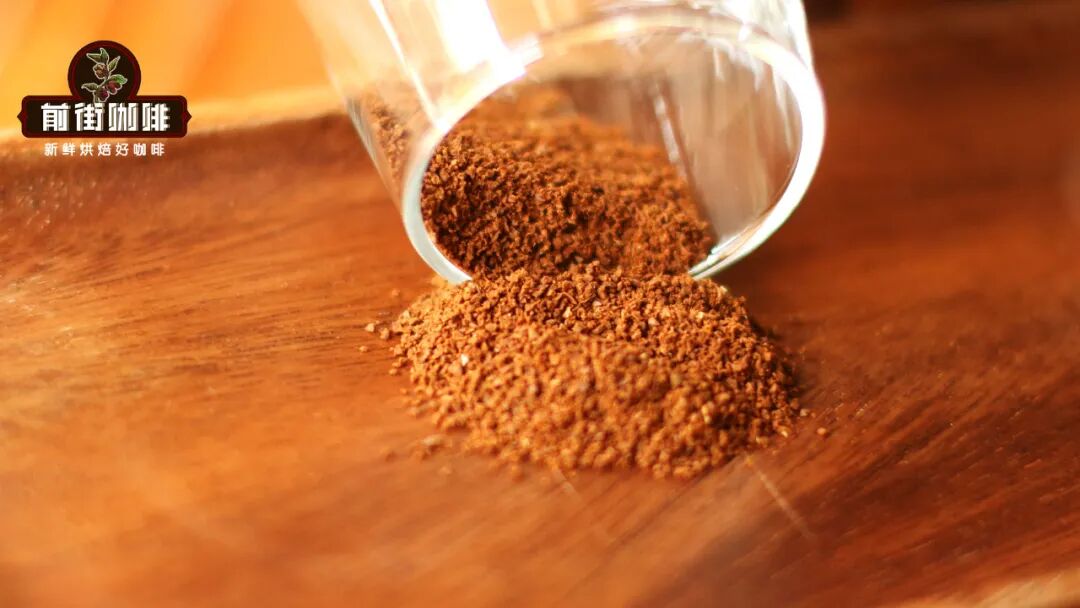
Since the cold brew process occurs in a low-temperature environment, the extraction efficiency of soluble substances from the coffee is relatively low. This makes cold brew more forgiving to various parameters, unlike pour over or espresso, which demand stricter control over water temperature and pressure. Commonly recommended cold brew parameters include: a grind size close to that of pour over (approximately 70%–85% extraction rate through a Chinese No. 20 sieve, visually similar to sugar granules), a coffee-to-water ratio suggested between 1:10 and 1:13, and a steeping time of8 to 18 hours. Notably, among these three key parameters, "steeping time" has the widest flexibility, varying by up to ten hours—so does flavor really not differ significantly?
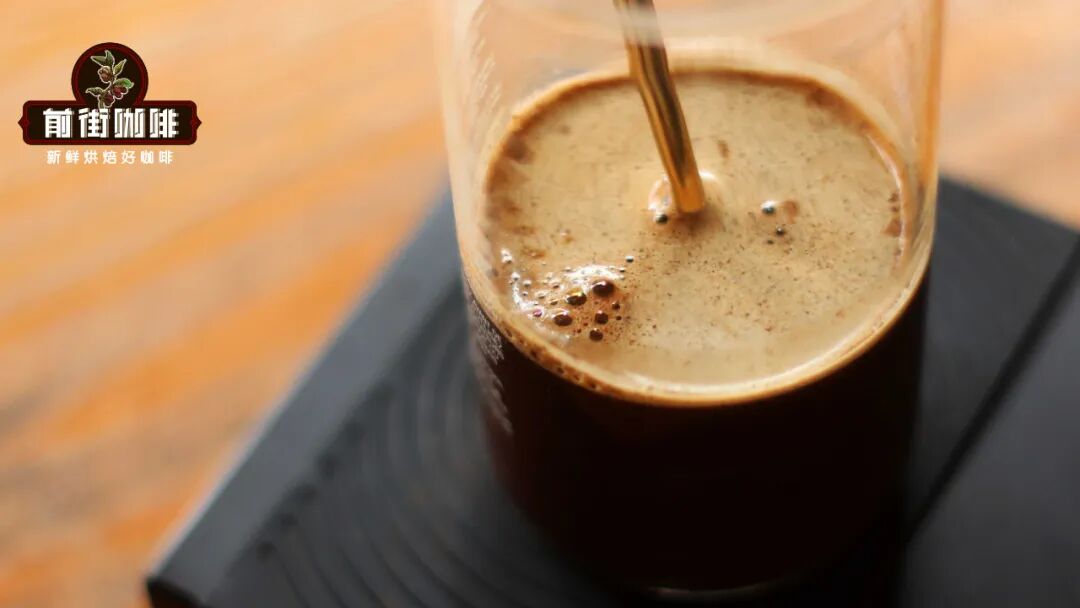
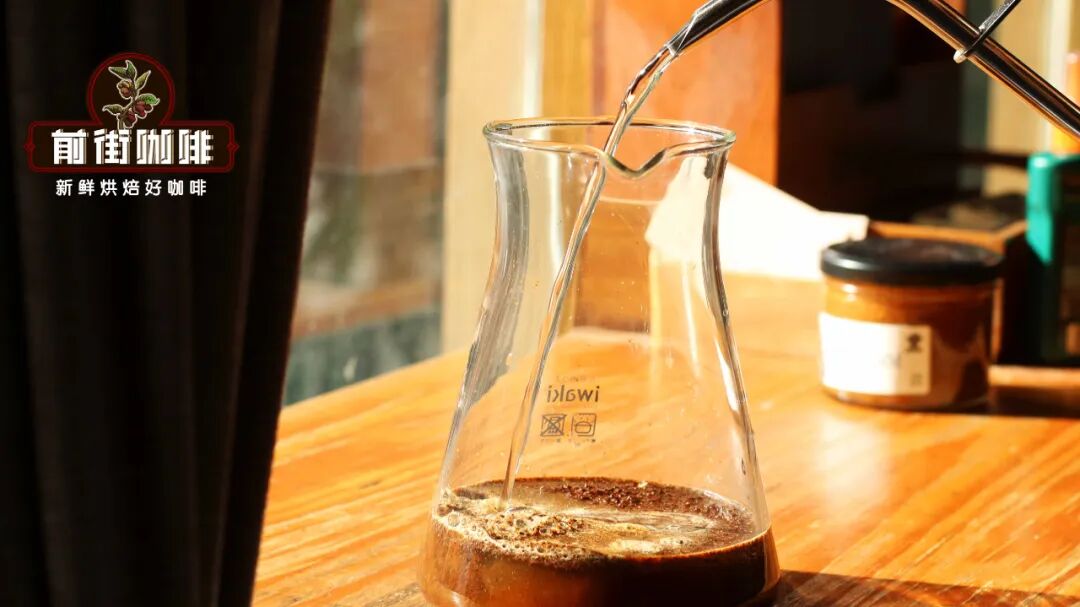
To answer this question, we conducted a cold brew experiment with steeping time as the variable. Using the same coffee beans with a fixed dose, a medium-coarse grind similar to sugar (electric grinder setting around -9.5 / hand grinder around -22), and maintaining a 1:10 coffee-to-water ratio, we steeped the coffee for4 hours, 10 hours, 16 hours, and 22 hours, followed by filtration and flavor evaluation.
The experimental results showed that steeping time has an extremely significant impact on the final flavor. Among them,4 hoursof steeping resulted in obvious under-extraction, yielding a light-bodied cup with predominantly faint citrus acidity and subtle tea-like notes, overall lacking depth;22 hoursof steeping showed signs of slight over-extraction, with a heavier mouthfeel, intense tea-like character, and even a hint of astringency and a gritty aftertaste. In contrast,10 hours and 16 hoursperformed the best—the former exhibited bright berry-like acidity and sweetness with a refreshing mouthfeel and moderate aroma, while the latter was richer, balancing citrus acidity with a rounded sweetness, showcasing the beans’ inherent aromatic characteristics whether served over ice or not.
From the above experiment, it’s clear that in the cold brew process, due to the low temperature setting and the static immersion of coffee grounds and water, the extraction efficiency is inherently low. Thus, grind size and steeping time become the main factors influencing flavor direction. The finer the grind and the longer the steeping time, the more soluble substances are released, leading to richer or more complex coffee flavors; conversely, coarser grinds and shorter steeping times result in lighter, cleaner-tasting coffee.
However, the nature of cold brew means we shouldn’t blindly pursue high concentration or prolonged steeping. When the water dissolves compounds beyond a certain threshold, the originally pleasant acidity and sweetness can easily turn into undesirable off-flavors like woody, bitter, or straw-like notes. Therefore, to avoid under- or over-extraction, keeping the steeping time within8 to 18 hoursis generally a safer and more reliable approach to achieving ideal flavors.
Next, for real-life practical application, we’ve outlined two common scenarios to help readers adjust steeping time based on their daily schedules:
Scenario 1: Overnight Cold Brew
If you want a chilled, ready-to-drink cold brew by 7–9 AM the next morning, it’s recommended to start steeping in the fridge between 9 PM and 12 AM, with a steeping time of about 7–12 hours. This range is not only safe but also tends to yield well-balanced flavors.
Scenario 2: Daytime Brewing
If you prefer not to be busy filtering early in the morning, you can start brewing between 8–9 AM and filter by 6–8 PM, keeping the total duration within 9–12 hours—this also produces cold brew with stable flavors.
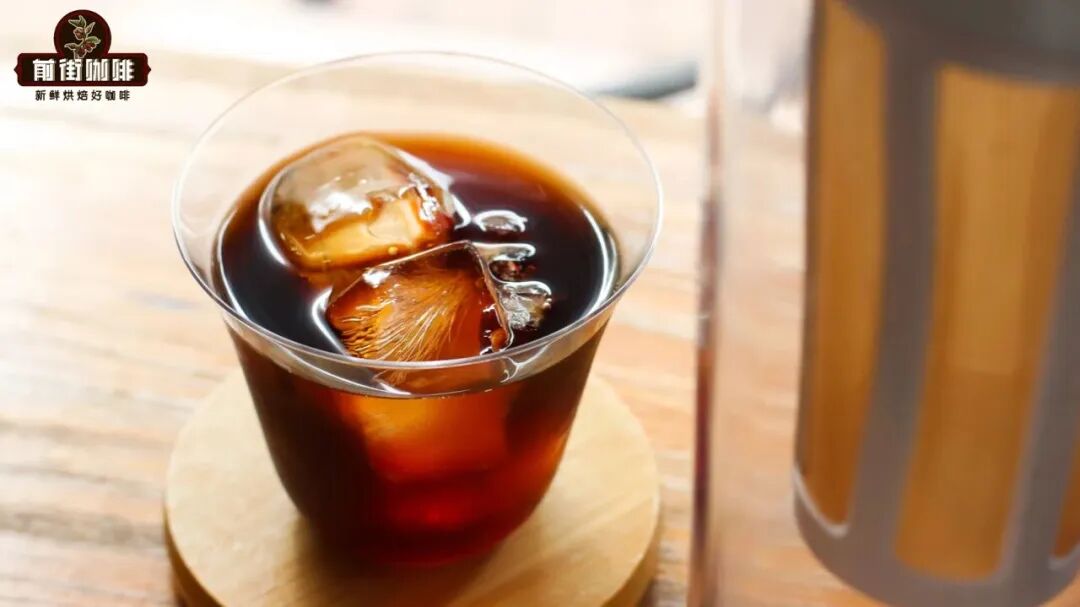
Additionally, experienced coffee enthusiasts have found that allowing the cold brew to continue refrigerating after completion not only helps further precipitate flavor compounds but also results in a rounder mouthfeel with fewer impurities, making the cup smoother and cleaner. This extra “maturation” step is also one of the finer details many veterans enjoy.
The above content is compiled by CoffeeHunters, a coffee news website.


