







Introduction:Want to understand the charm and brewing essentials of SOE single-origin espresso? This article will delve into the definition, characteristics, and reasons behind the popularity of SOE, using specific bean varieties as examples to detail the brewing parameters and flavor profiles of espresso and Americano, while also supplementing with practical tips to help you master the essence of this premium coffee branch.
The evolution of espresso coffee began with the classic espresso, which then extended into various variations such as Americano and milk-based coffees. Among these, SOE (Single Origin Espresso) as a relatively niche branch has gradually gained attention in the global specialty coffee market in recent years. SOE refers to espresso extracted from single-origin, single-variety coffee beans, capable of showcasing the unique terroir flavors of that region—such as the pronounced fruit acidity of Yirgacheffe or the rich layers of Guatemala.
Tracing the development of espresso coffee, early espresso was the core, which evolved into more drinkable Americano after the war, and further extended to milk-based fancy drinks. Although many coffee enthusiasts are already quite familiar with these basic drinks, the relatively obscure field of SOE was not widely popular in China in the past. It wasn’t until recent years, with the rise of specialty coffee culture and promotion by major chain brands, that SOE gradually entered consumers’ view.
So, what exactly is SOE? Its full name is Single Origin Espresso, which, as the name suggests, is espresso extracted via an espresso machine using coffee beans from the same origin and variety. This processing method can fully showcase the regional characteristics of the origin—for example, the common floral notes and bright fruit acidity of Yirgacheffe, or the deep, rich mouthfeel of Guatemala, all of which are more layered in the espresso expression of SOE.
However, SOE is not a new concept; it has had a history of several decades in the international market and has accumulated a stable consumer base. Yet, when SOE was introduced to the Chinese market about ten years ago, it did not become popular as quickly as expected. One reason is that coffee culture at the time was still niche, and premium coffee costing dozens of yuan per cup was not a daily choice for the general public. Additionally, SOE is usually priced higher than regular single-origin coffee, making it a high-priced novelty item for many consumers, resulting in limited acceptance.
So, what are the characteristics of SOE coffee? First, the flavor profile of SOE is usually more prominent than that of blended beans. Taking common milk-based coffees as an example, when SOE is used as the base to make lattes or cappuccinos, its bright acidity or unique fruity aroma, balanced and softened by milk, can present a more balanced and mellow drinking experience. However, if you taste SOE espresso on its own, you might find its strong regional characteristics (such as the sharp fruit acidity of Yirgacheffe) unfamiliar to some first-timers. Therefore, beginners are advised to try making SOE into an Americano or pairing it with a small amount of milk to reduce the intensity.
Another noteworthy characteristic is that since SOE uses beans from a single origin, its flavor can be easily influenced by factors such as season, climate, and processing methods, leading to noticeable differences between batches. This is part of SOE’s charm—each tasting may bring new surprises—but it also means its flavor consistency is not as stable as traditional blended beans, which is a factor to consider when purchasing and brewing.
Given these characteristics, why has SOE become increasingly popular in recent years? The reason is that modern coffee consumers are no longer satisfied with a “balanced and stable” taste but are more eager to explore the unique terroir behind each bean. Traditional espresso blends usually mix beans from different regions, and even different processing methods, primarily using medium to dark roasts, aiming to create a rich, smooth, and oily mouthfeel. For beginners, such beans (for example, blends with buttery, nutty notes or chocolate flavors) are indeed easier to accept. Common classic blends, such as those with buttery, nutty profiles or dark cocoa blends emphasizing cocoa flavors, are beginner-friendly and widely accepted in the market.
In contrast, SOE focuses more on “expressing the personality of the origin,” allowing consumers to clearly feel the subtle differences brought by different regions and processing methods. For example, this time we take Ethiopia Yirgacheffe Natural Red Cherry as an example. This bean uses the native variety, grown at an altitude of about 2000 meters, and is processed using the natural method to retain more pulp flavors, featuring a rich tropical fruit profile.
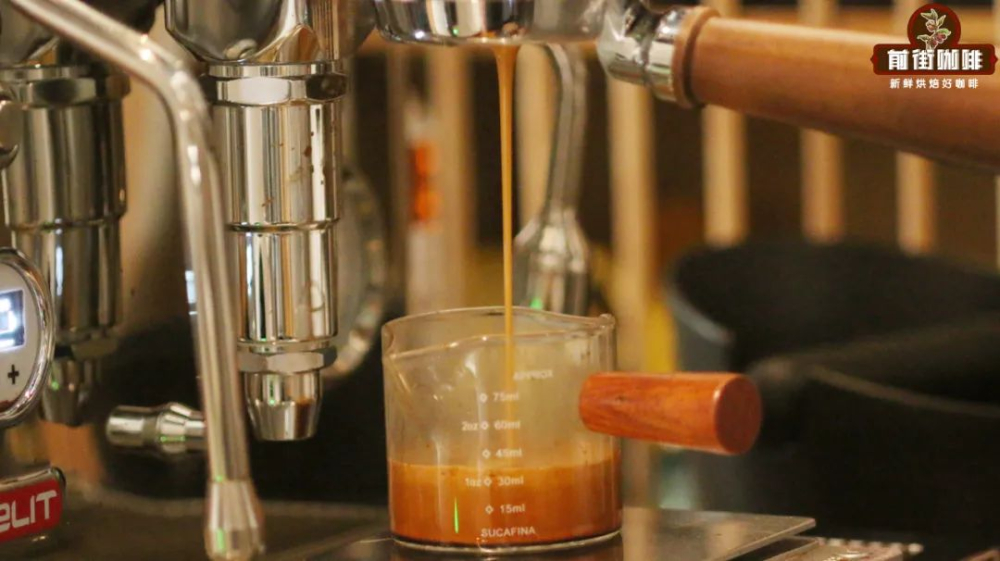
The recommended actual brewing parameters are as follows: about 20 grams of coffee grounds, extraction time controlled at around 28 seconds, total output of about 40 grams, using about 150 milliliters of hot water. The Red Cherry SOE espresso extracted with these parameters has a smooth mouthfeel and moderate body, with distinct layers of fruit acidity and a delicate finish that carries a caramel-like sweetness, balancing overall with highlights.
If this SOE is used to make an Americano (i.e., espresso plus hot water), the acidity will be further softened, the mouthfeel more smooth, with a light cocoa aftertaste, overall refreshing without being greasy, and with a noticeable lingering sweetness. Compared to traditional Americanos, it has a richer flavor profile and a lower drinking threshold, making it very suitable for everyday enjoyment.
The above content is compiled by CoffeeHunters, a coffee news website.


