







Introduction:Delve into the unique charm of Honduras Lishilan coffee, from its barrel fermentation process and terroir to the characteristics of the Caturra and Catuai varieties—step by step, we break down the flavor sources of this wine-aroma-rich pour over bean. We also provide practical pour over parameters and steps to help you easily recreate a professional-level wine-heart chocolate and honey finish.
In recent years, Honduras Lishilan coffee has sparked global specialty coffee discussions with its distinctive barrel fermentation processing method. This coffee, sourced from the Mocha Estate in the Marcala region, employs an innovative low-temperature barrel fermentation process for 30 days, imparting rich brandy aroma, wine-heart chocolate, and honey layers. It boasts a mellow and smooth mouthfeel with a long-lasting aftertaste, making it a top choice for many coffee enthusiasts exploring wine-like flavor profiles.
To truly appreciate the charm of Lishilan, we must start with the background of Honduras’ coffee industry. Although Honduras coffee may not have as high an international profile as neighboring Costa Rica or Guatemala, the country was actually the largest coffee producer in Central America as early as 2011, primarily exporting to Germany and the United States, with some supply to the domestic market. The entire territory is mountainous, featuring a tropical highland and rainforest climate, with over 280,000 hectares of coffee-growing areas. Over 90% of these are smallholder farms that rely mainly on hand-picking to ensure consistent fruit ripeness, laying a solid foundation for coffee quality.
In terms of variety, almost all coffee grown in Honduras is Arabica, including Bourbon, Caturra, Catuai, and Pacas. Lishilan uses the locally common Caturra and Catuai. The Caturra variety originated in Brazil and is known for its good disease resistance, stable yield, and short tree height that facilitates harvesting, with a bright and clear flavor profile. Catuai is a hybrid of Caturra and the Mundo Novo variety. Though it has stronger disease resistance, its flavor complexity is generally slightly inferior to that of Caturra.
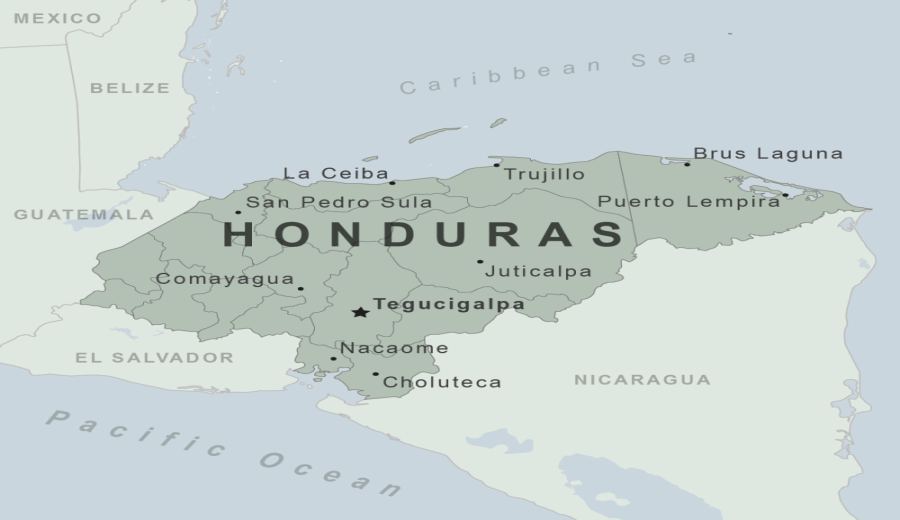
The origin of Lishilan—the Mocha Estate—is located in the Marcala region of Intibucá Province, Honduras. This region lies on the southern side of the Jesús de Otoro Valley, with altitudes generally ranging between 800 and 1,000 meters, and some areas reaching up to 1,500 meters. Although the overall altitude is not extremely high, the sloped terrain combined with significant day-night temperature variations helps coffee cherries ripen slowly, accumulating rich flavor compounds. As a medium-to-small-scale local producer, the Mocha Estate focuses on meticulous management and refined processing, providing a stable quality source for Lishilan.
When it comes to the most notable feature of Lishilan, there’s no doubt it’s its barrel fermentation processing method. The process begins with strict selection of harvested coffee cherries, removing defective beans before undergoing standard washed processing. The parchment beans are then placed in brandy barrels and left to ferment at a controlled low temperature of 15–20 degrees Celsius for approximately 30 days. This low-temperature, long-duration fermentation allows the coffee to absorb residual compounds from the barrel, imparting a strong wine aroma to the final beans. After fermentation, the usual drying procedure follows, resulting in Lishilan exhibiting distinct brandy, wine-heart chocolate, and honey aromas in a light-to-medium roast. It delivers a rich, smooth mouthfeel with a long-lasting, unforgettable aftertaste.
If you want to brew this wine-aroma-rich specialty coffee at home, here are practical pour over recommendations for parameters and steps: It is suggested to use a medium-fine grind, with a coffee-to-water ratio set at 1:15, and water temperature controlled at around 91°C. Place 15 grams of coffee grounds into the filter, then pour 30 grams of hot water for a 30-second bloom to activate the coffee. Follow with a pulsed pouring method, slowly adding water up to 120 grams. When the water level drops to just about to expose the coffee bed, pour again until the total reaches 225 grams, then let the coffee drip through. The overall extraction time is recommended to be around 2 minutes. This approach fully highlights the multi-layered aromas brought by the barrel fermentation, while balancing sweetness and body.
In summary, Honduras Lishilan coffee, thanks to its unique barrel fermentation process and the favorable natural conditions of the Marcala region, has created a specialty coffee with intense flavors and rich layers. From the regional environment and variety traits to the fermentation process, each step contributes to that captivating and distinctive brandy aroma and honey sweetness. With the right brewing parameters and techniques, you too can easily enjoy this wine-aroma and chocolate-finish coffee experience at home.
The above content is compiled by CoffeeHunters, a coffee news website.


