







Introduction:Cold drip coffee is the top choice for summer cold brews, but to bring out its best flavors, you need to master key parameters. This article explains the science behind a coffee-to-water ratio of 1:8 to 1:14, the golden drip rate of 7 drops per 10 seconds, and the flavor transformation principle that occurs during 12 hours of refrigeration and maturation. From selecting light to medium roasted beans, adjusting grind size, to pre-wetting techniques that prevent channeling, it provides a professional-level home brewing solution you can start using right away.
With its crisp layered profile, cold drip coffee has become the most sought-after cold brew method in summer. But this extraction process, which requires several hours of patience, hinges on three core elements: precise coffee-to-water ratio, stable dripping rhythm, and proper post-extraction flavor maturation. Master these technical details, and you can replicate café-grade cold drip experiences at home.
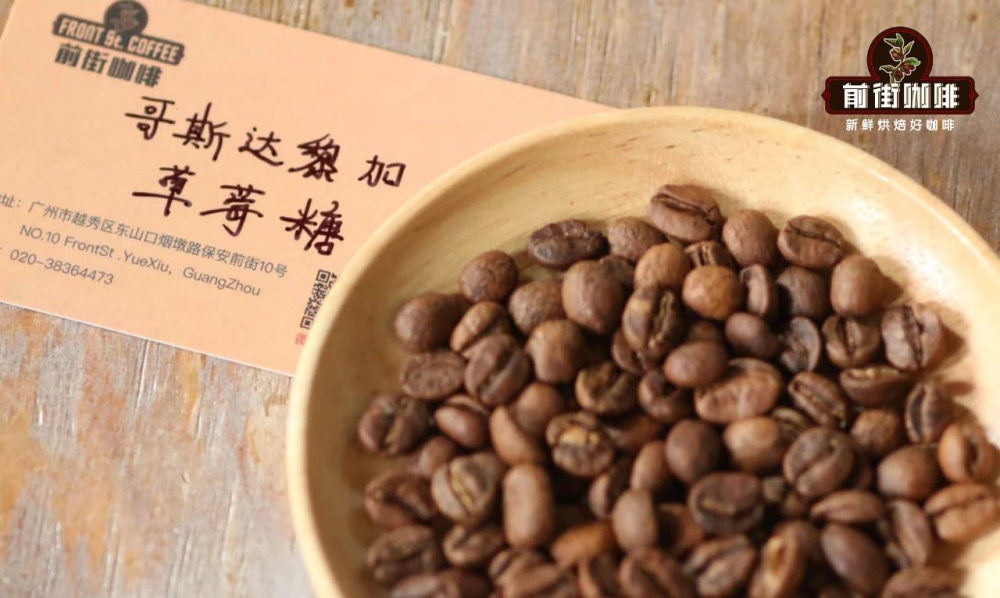
It’s recommended to prioritize light to medium roasted coffee beans with prominent floral and fruity notes—these bean varieties’ volatile aromatic compounds dissolve more effectively in low-temperature environments.Be especially careful to avoid medium to dark roasted beans, as their high-boiling-point compounds are less efficiently released in ice water. In practice, consider beans with citrus or berry aromas, and set the grind size to a slightly finer level than standard pour over—using about 85% passing rate through a 0.85mm sieve as a reference benchmark.
Regarding the ideal range for coffee-to-water ratio,1:8 to 1:14provides flexible options to suit different concentration preferences. Taking 100 grams of coffee grounds as a baseline, the total amount of ice-water mixture in the upper chamber should be controlled between 800–1000 grams (it's suggested to mix ice and water in a 1:1 ratio). Advanced users can try a 1:10 concentrated formula using 60 grams of grounds to extract 600 milliliters—the slightly finer grind paired with this ratio enhances mouthfeel richness, making it suitable for later dilution with ice. For general home use, a lighter ratio of 1:12 to 1:14 is easier to achieve balanced flavors.
Drip speed control is the critical variable that determines extraction success.The ideal rate is 7 drops per 10 seconds, equivalent to approximately 42 drops per minute. Too fast leads to under-extraction and a watered-down taste, while too slow may cause off-flavors from over-fermentation. In practice, you need to pre-wet the coffee bed—this pre-infusion step effectively prevents channeling and ensures the ice water uniformly penetrates the entire coffee grounds.
Temperature management is equally crucial—you must use an ice-water mixture consistently below 5°C to maintain the extraction environment. It’s recommended to use a 1:1 ratio of ice to cold water in the upper chamber, and visually ensure the ice-water mixture remains suspended throughout the process. Extraction time varies depending on device efficiency, typically ranging from 3.5 to 12 hours,with 6–8 hours being the ideal range for most cases.
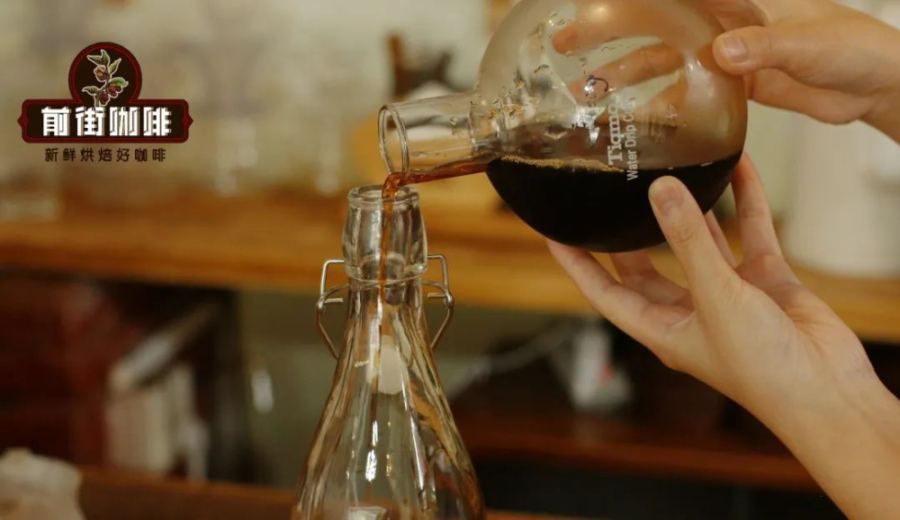
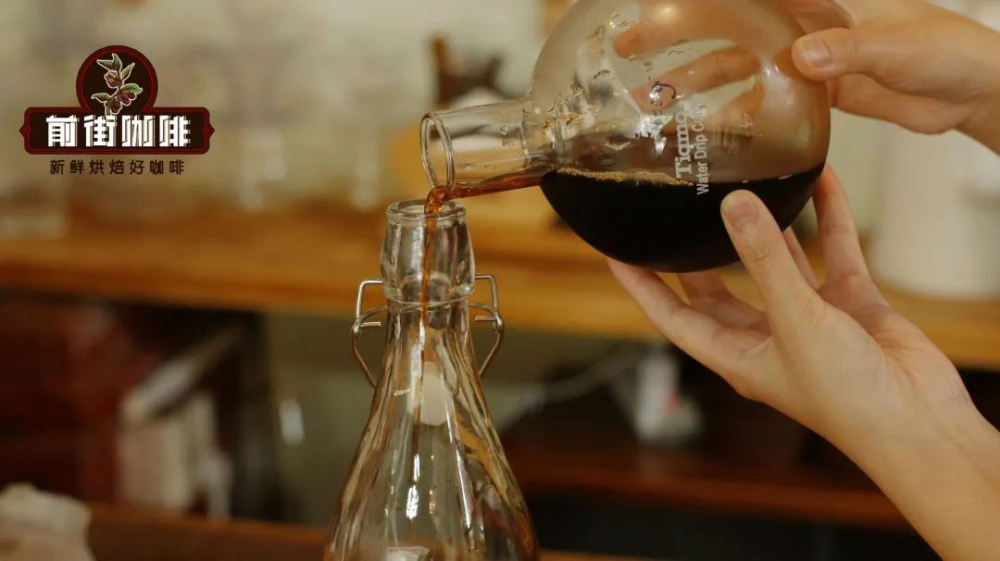
The maturation process after extraction is quite ingenious: seal the coffee liquid and refrigerate it for 12 hours. During this time, secondary fusion of flavor compounds occurs, significantly enhancing sweetness and bringing out subtle alcoholic aromas. It’s recommended to use a dark glass jar for storage to avoid light affecting quality stability.
Practical supplementary tips: to maintain a stable drip rate, regularly check the water level and ice quantity—it’s advised to inspect the device operation status every 2 hours. If abnormal fluctuations in drip speed are noticed, you can make slight adjustments via the outlet valve. Also, remember to filter out coffee grounds before refrigeration to achieve a clearer taste.
The above content is compiled by CoffeeHunters, a coffee news website.


