







Introduction:Delve into the origin story, unique flavor characteristics of the Colombian La Esperanza Geisha washed coffee beans, and discover practical pour over brewing parameters and techniques. Starting with the origins of the Geisha variety, we analyze how La Esperanza Estate overcame climatic challenges to cultivate a specialty coffee that balances citrus acidity with an oolong tea-like finish, helping you master the brewing essentials of this popular bean.
Although the Geisha variety is widely known for its Panamanian prominence, its original genetic lineage actually stems from Ethiopia’s Yirgacheffe region. When this variety crossed mountains and seas to take root in Huila, Colombia, differences in local altitude, soil, and microclimate gave rise to a distinctly different flavor profile. La Esperanza Estate, one of the first cooperatives in Colombia to successfully produce Geisha on a commercial scale, is renowned for its washed batches that showcase bright notes of citrus, plum, and bergamot acidity, mid-palate warmth with cinnamon and caramel aromas, and a graceful oolong tea-like finish.
A coffee’s flavor expression is always closely tied to its terroir. As the saying goes, “An orange grown south of the Huai River is an orange, but one grown north of it is a bitter orange.” Even the same variety can exhibit unique regional characteristics when cultivated in different locations. Cupping observations show that Panamanian Geishas often display white floral notes, citrus acidity, and honey-like aftertastes; Colombian Geishas tend to lean toward berry-like sweetness and floral tones, with caramelized sweetness in the finish; while Costa Rican Geishas are characterized by almond notes and distinct citrus acidity.
The dissemination of the Geisha variety has a rather legendary history. In 1931, a British explorer collected coffee seeds from the southwestern forests of Ethiopia, which were then sent to Kenya the following year. These seeds were subsequently introduced to Uganda, Tanzania, and Costa Rica. It wasn’t until the 1970s that Mr. Francisco Serrano of Panama’s Hacienda La Esmeralda brought Geisha seeds from CATIE, laying the foundation for the variety’s development in Panama.
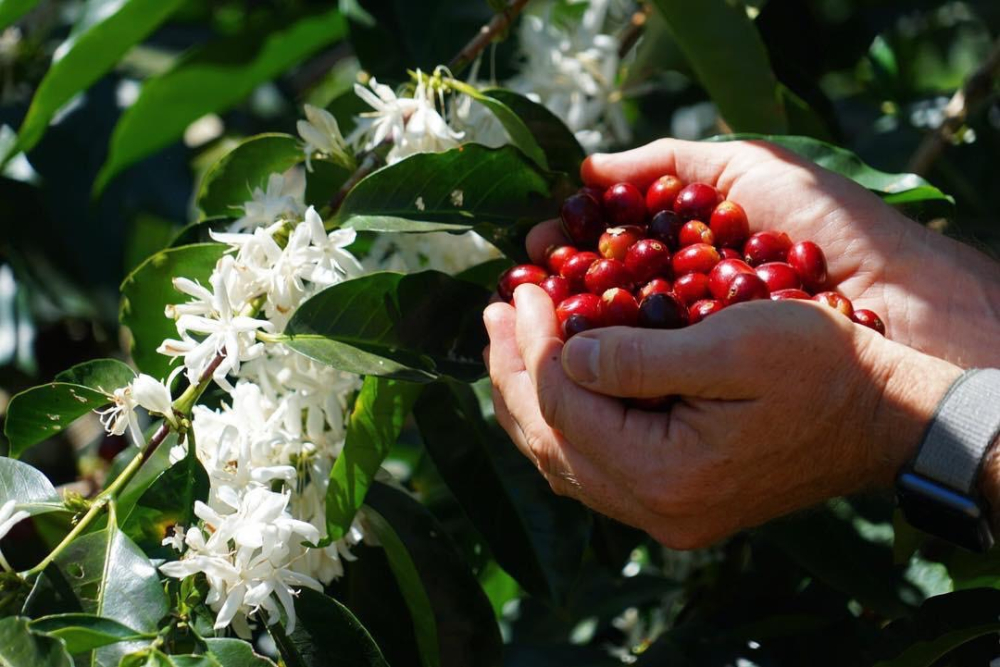
In 2003, during a cupping session, the third-generation owner of Hacienda Esmeralda, Daniel, unexpectedly discovered a bean that exhibited captivating floral aromas and citrus acidity. Despite the market preferences at the time, he insisted on entering it into competition and finalized the batch just two weeks before the 2004 Best of Panama (BOP) competition, officially launching Geisha onto the specialty coffee stage. Since then, Geisha has become a near-perennial champion at BOP. In 2007, the management of La Esperanza Estate introduced Geisha seeds from Hacienda Esmeralda, but Colombia’s climate and soil conditions made cultivation a challenging journey. After four years of meticulous nurturing, the estate harvested its first Geisha crop in 2011, which went on to win the Cup of Excellence (COTY) title at the Specialty Coffee Association of America (SCAA) that same year.
Today, many estates in Colombia grow Geisha, but La Esperanza remains the largest producer. This Huila-based cooperative is jointly managed by multiple coffee farmers and includes four farms: Esperanza, Las Margaritas, Cerro Azul, and Potosi. The estate insists on handpicking only fully ripe cherries and maintains strict oversight of cultivation environments and green bean quality to ensure every bean meets high standards.
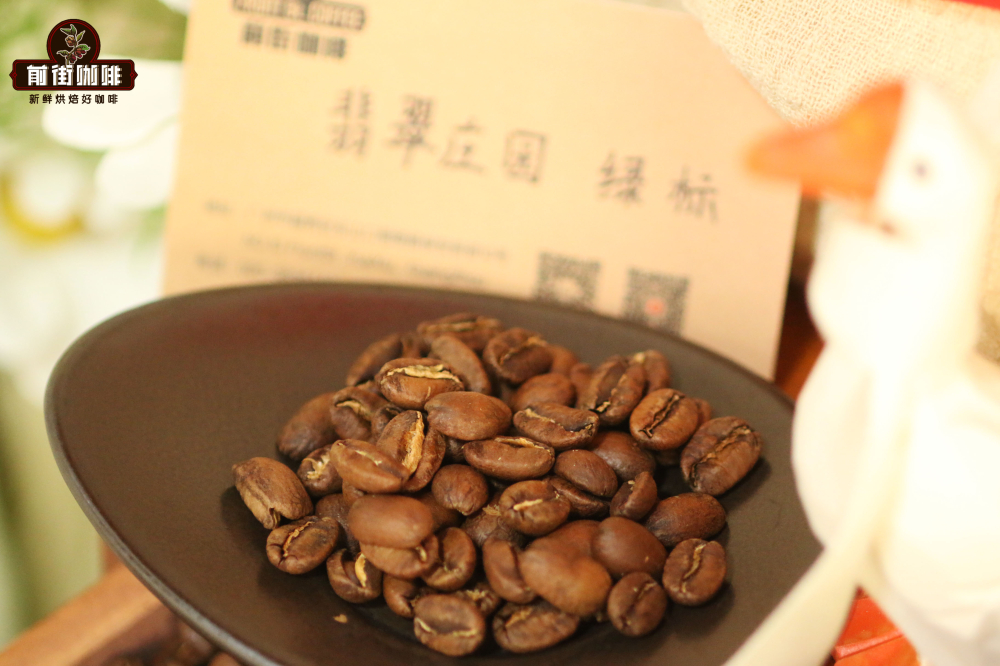
Practical roasting experience shows that the green beans of La Esperanza Geisha washed coffee exhibit a beautiful bluish-green hue, with pronounced fermented fruit and orange aromas. To preserve its floral and fruity acidity traits, a light roast is recommended. For specific roast profiles, consider the following: start with an inlet temperature of 160°C, set the air vent to 3, adjust the heat to 140 after 30 seconds while maintaining the air vent setting; at 1 minute and 42 seconds when the turning point occurs, reduce the inlet temperature to 140°C, adjust the heat to 120, open the air vent to 4—by this time the bean surface turns yellow, grassy notes fade, and the beans enter the dehydration phase; when the inlet temperature reaches 166°C, reduce the heat to 110, keeping the air vent unchanged; at 7 minutes and 50 seconds, when the bean surface shows wrinkles and dark spots, and the smell transitions from toast to coffee, closely monitor the first crack; at 8 minutes and 15 seconds when first crack begins, adjust the heat to 50 and the air vent to 5 (ensure sufficient cracking sounds); allow 1 minute and 28 seconds of development post-first crack, and drop the beans at 190°C.
For brewing the lightly roasted La Esperanza Geisha, it is recommended to use a grind size similar to fine sugar (80% extraction rate through a Chinese No. 20 standard sieve), paired with a water temperature of 90–92°C. A 1:15 coffee-to-water ratio is advised, using a three-stage pouring technique: begin with a 30g bloom for 30 seconds; then pour in small circles to reach 125g, wait until the bed’s water level drops by half, then continue pouring to 225g, with total brew time controlled between 2 minutes and 00 seconds to 2 minutes and 10 seconds.
The flavor profile of this Colombian Geisha washed coffee is vivid: the front palate highlights bright acidity with citrus, plum, and bergamot notes; the mid-palate reveals warm aromas of cinnamon and caramel; the finish leaves a lingering oolong tea-like sensation, delivering a balanced and layered overall cup.
The above content is compiled by CoffeeHunters, a coffee news website.


